
Where Winds Meet Qingzhou Guide: Map Route, Local System, Waist Drum, and October 15 Release

Qingzhou opens in Where Winds Meet on October 15, 2026. This is more than a new backdrop: the official Version 2.3 developer letter maps out a mountain-to-sea journey, a companion-style Local system, regional activities, a Han Dynasty tomb, and the new Waist Drum weapon. The useful preparation is to plan your first route and know which Local talent solves the problem in front of you.
What the official Qingzhou update confirms
The official Version 2.3 developer letter confirms the October 15 opening and explains how Qingzhou is built. Its geography is inspired mainly by Shandong: the intended journey starts in high mountains, crosses settlements and farmland, follows the Yellow River toward the coast, and reaches the island of Mount Penglai.
This matters because Qingzhou is designed around elevation. Reaching a summit is not only sightseeing; high points reveal settlements, trails, shorelines, and hidden destinations. Players who climb first should spend less time wandering between disconnected markers later.

Source: Where Winds Meet official website. The panorama shows Qingzhou's mountain-to-sea geography and the distant island route.
Qingzhou route: where to go first
| Area | What the official guide confirms | Best first-visit priority |
|---|---|---|
| Mount Tai | The opening area, with stone steps, pine canopies, the South Gate to Heaven, and rock inscriptions. | Climb to a vantage point, activate nearby travel access, and mark the routes visible from the summit. |
| Wellspring Town | A settlement known for spring water, brocade carp, and kites. | Check local activities and NPC introductions before treating it as a simple rest stop. |
| Crownleek Terrace | Leek fields, a market, and the Crownleek Contest. | Look for market interactions and the contest entry before moving on to the coast. |
| Yellow River estuary | Coastal scenery, sunrise views, and bird murmurations that players can soar beside. | Approach with open inventory space and follow coastal points of interest rather than cutting straight through. |
| Mount Penglai | An island with academies, sage statues, and the Pavilion of Tomes. | Use it as a dedicated exploration session; its isolated layout suggests more value than a quick waypoint visit. |
| Han Dynasty tomb | An underground area beneath Mount Tai with traps, vermin, and mechanical puzzles. | Bring a puzzle-friendly Local and avoid entering when you only have a few minutes left to play. |

Source: Where Winds Meet official website. Wellspring Town's brocade carp appear on the left; Crownleek Terrace and its working fields appear on the right.
The route is easiest to remember as height first, settlements second, coast third. The official material does not publish every waypoint or entry quest, so this table is a planning order rather than a claim about a mandatory story sequence.

Source: Where Winds Meet official website. The estuary's open-water route appears on the left, while the isolated Mount Penglai destination appears on the right.
The Local system can change how you solve exploration
Qingzhou's new Local system lets you befriend villagers and invite them to travel with you. These are functional companions rather than cosmetic followers: different talents can reveal routes, solve social encounters, find hidden spaces, or bypass physical obstacles.
| Local talent | Confirmed use | Choose this Local when… |
|---|---|---|
| Knowledgeable | Guides unfamiliar routes and helps with puzzles. | You are entering a new sub-area, tomb, or mechanism-heavy route for the first time. |
| Silver-tongued | Handles social situations through Gift of Gab and can help with Pitch-pot. | You want dialogue solutions or would rather bypass a social detour than fight through it. |
| Sharp-eyed | Finds overlooked points of interest, hidden caves, and mechanisms. | You are clearing an area for secrets or revisiting a route that still feels incomplete. |
| Athletic | Carries the player, dives or fishes, and can force open heavy doors without a key. | You need movement, water interaction, or a direct answer to a physical obstacle. |
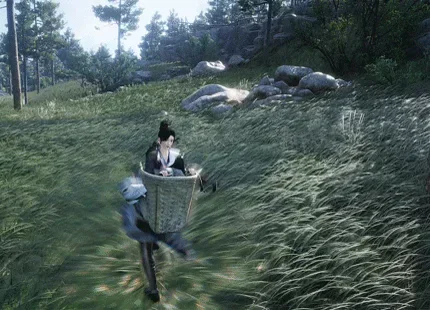
Source: Where Winds Meet official website. This example shows that Local talents can directly change traversal instead of merely adding dialogue.
Practical choice: use a sharp-eyed Local while sweeping the open world, switch to a knowledgeable Local for the Han tomb, and keep the athletic option for water or locked-door routes. Do not assume one companion is best for every activity.
Your first 90 minutes in Qingzhou
- Read the live update notice. Confirm the regional opening and any entry requirement that was not included in the developer letter.
- Follow the opening route to Mount Tai. Do not turn the first session into a full collectible sweep.
- Reach a high viewpoint. Use the summit panorama to identify settlements, trails, and the coast before choosing a direction.
- Meet Locals early. Learn which talent each companion offers and recruit around your immediate task.
- Secure travel access on the way down. This makes later trips to Wellspring Town, Crownleek Terrace, and the estuary less repetitive.
- Sample one regional activity. Beachcombing, kite flying, finger-guessing, and local contests help establish how the region rewards side exploration.
- Leave the tomb and Mount Penglai for focused runs. Both are poor choices when you are rushing to finish a short login session.
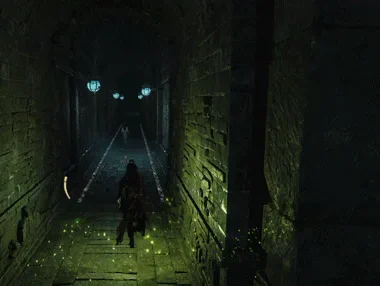
Source: Where Winds Meet official website. The tomb section includes traps and mechanical puzzles, so it deserves a focused run and a suitable Local.
Waist Drum: what to check before investing
The official showcase confirms Waist Drum as the new weapon and presents it through flowing silk, drum strikes, and stage-inspired movement. It still does not publish the acquisition route, resource loop, upgrade materials, or a complete English skill list. That means a build guide would be premature, but players can still use a disciplined release-day check.
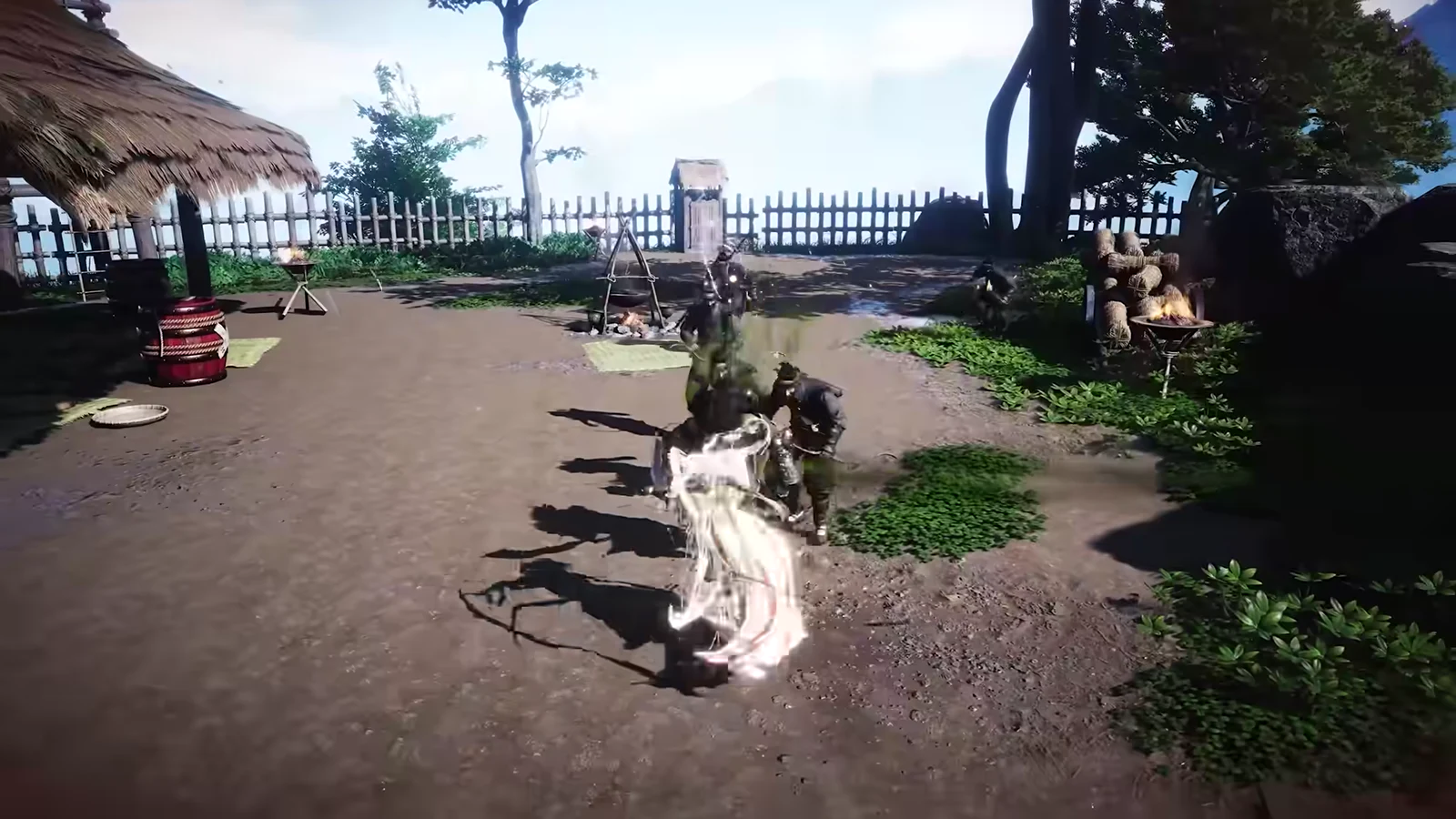
Source: Where Winds Meet official YouTube channel. The gameplay frame confirms the weapon's stage-inspired combat presentation, not its final build or material costs.
| Check | What decides | Stop line |
|---|---|---|
| Acquisition source | Whether the weapon comes from story progress, exploration, crafting, an event, or a shop. | Do not spend premium currency until the source panel names the exact route. |
| Base moveset | Range, recovery, crowd coverage, mobility, and defensive exits. | Test the unupgraded weapon in ordinary mobs and one durable fight first. |
| Upgrade tree | Which materials are common, time-gated, or shared with the current build. | Pause before consuming rare shared materials for a weapon you may not keep using. |
| Build compatibility | Whether its live tags and resource loop work with your Internal Arts and secondary weapon. | Ignore early “best build” claims that do not show current English tooltips and tested numbers. |
What to prepare before October 15
Finish any main-story blocker already visible on your account, clear inventory space, and keep flexible upgrade materials. There is no reason to pre-farm a guessed Waist Drum recipe or spend Echo Beads on an unannounced Qingzhou product. The goal is to remove friction, not to predict the live client.

Check the live Qingzhou and Waist Drum source first. If the game shows a paid item you already decided to buy, add only the verified Echo Bead shortfall for your account and region.
Related Where Winds Meet pages
Where Winds Meet Qingzhou FAQ
When does Qingzhou release in Where Winds Meet?
Qingzhou is officially scheduled for October 15, 2026. Check the live in-game notice for the exact regional opening time.
Where does the Qingzhou journey begin?
The official developer letter says the route begins at Mount Tai and then moves from the mountains toward settlements, the Yellow River estuary, and the coast.
What is the Local system in Qingzhou?
It lets players befriend Qingzhou residents and invite them to travel. Their talents can help with routes, puzzles, dialogue, hidden locations, water activities, and heavy doors.
Which Local should I use for hidden caves?
A sharp-eyed Local is the clearest choice because the official description says this talent can spot overlooked points of interest, hidden caves, and mechanisms.
What is inside the Han Dynasty tomb?
The confirmed underground route beneath Mount Tai includes traps, vermin, and mechanical puzzles. Exact rewards and entry requirements still need live verification.
What is the new Qingzhou weapon?
The new weapon is Waist Drum. Its official showcase confirms its presentation, while acquisition, materials, skill values, and best builds remain unannounced.
Should I save Echo Beads for Qingzhou?
Keep your normal budget unless the live client reveals a specific paid item you want. No Qingzhou or Waist Drum price is confirmed in the checked official material.
Can I prepare Waist Drum materials now?
There is no official material list yet. Save flexible resources, but do not convert rare items or farm a recipe based on leaks.
Final verdict
Qingzhou already supports a useful pre-release guide because the official developer letter explains how the region is structured and how Locals change exploration. Start high, read the landscape, recruit for the task, and move toward the coast in deliberate stages. Treat Waist Drum as a weapon to test after its live source and upgrade tree appear, not as a reason to spend or pre-farm blindly.



Copyright © FUTURE OUTLOOK TECHNOLOGY LIMITED.Company Registration No.: 77374965 All rights reserved.UNIT 135,1/F.,143 WAI YIP STREET,KWUN TONG HK