
Marvel Rivals Season 10 Tier List: All 54 Heroes Ranked

This Season 10 tier list combines tracked all-rank results, official balance changes, role coverage, and how reliably a hero converts an advantage. It is a decision aid rather than a permanent verdict: rank, map, team-up, and player mastery can move the correct pick by several bands.
Tracked win rate is useful when the sample is large, but it still measures teams that selected a hero. The ranking therefore separates statistical signal from execution requirements instead of treating one percentage as proof of isolated hero power.
Season 10 full tier list
| Band | Heroes | Interpretation |
|---|---|---|
| S |  Mantis Mantis Magik Magik Peni Parker Peni Parker Gorr the God Butcher Gorr the God Butcher Storm Storm Ultron Ultron Rocket Raccoon Rocket Raccoon | High current impact with reliable ways to create or preserve a winning fight. |
| A |  The Hood The Hood Hela Hela Iron Fist Iron Fist Blade Blade Daredevil Daredevil Mister Fantastic Mister Fantastic | Strong choices whose value rises sharply on the right map, matchup, or practiced composition. |
| B |  The Thing The Thing Iron Man Iron Man Black Panther Black Panther Spider-Man Spider-Man Black Cat Black Cat Scarlet Witch Scarlet Witch Magneto Magneto Jubilee Jubilee Hulk Hulk Devil Dinosaur Devil Dinosaur Venom Venom Thor Thor Angela Angela Winter Soldier Winter Soldier Rogue Rogue | Competitive middle band where mastery and draft fit usually matter more than the small data gap. |
| C |  Psylocke Psylocke Gambit Gambit Cloak & Dagger Cloak & Dagger White Fox White Fox Human Torch Human Torch Star-Lord Star-Lord Black Widow Black Widow Loki Loki Adam Warlock Adam Warlock Elsa Bloodstone Elsa Bloodstone Doctor Strange Doctor Strange Captain America Captain America | Viable, but more dependent on coordination, sightlines, or a specific player strength. |
| Specialist |  Emma Frost Emma Frost Wolverine Wolverine Hawkeye Hawkeye Deadpool Deadpool Luna Snow Luna Snow Moon Knight Moon Knight Groot Groot Invisible Woman Invisible Woman Namor Namor Cyclops Cyclops Jeff the Land Shark Jeff the Land Shark The Punisher The Punisher Squirrel Girl Squirrel Girl Phoenix Phoenix | Needs a deliberate plan in the current environment; this label does not mean unusable. |
Best Vanguard picks
Peni Parker is the standout general result. Her traps, web sustain, and objective control punish teams that enter without clearing space. The Hood remains a strong brawl pick despite losing health and mitigation in the Season 10 patch. Magneto, Hulk, Devil Dinosaur, Venom, Thor, Angela, and Rogue sit near the middle, where map geometry and team-up selection become decisive.
Choose Peni when the fight repeatedly returns to one defendable zone. Choose The Hood when your team can fight close enough for his eight-meter damage profile. Choose a mobile Vanguard when the enemy backline is winning uncontested angles.
Best Duelist picks
Magik, Gorr, and Storm opened Season 10 particularly well. Magik converts close-range commitment into durable pressure. Storm amplifies an organized team while contributing sustained damage. Gorr’s launch-week result is promising, but opponents are still learning his threat patterns.
Hela, Iron Fist, Blade, Daredevil, and Mister Fantastic form the next practical band. They can take over the right fight, but each asks for a different distance or execution pattern. If your team already has two Duelists, the “best” Duelist may be a Strategist swap.
Best Strategist picks
Mantis, Ultron, and Rocket Raccoon lead the current support results. Mantis remains powerful when Life Orb economy and crowd control are managed well. Ultron brings mobile healing with pressure. Rocket supplies dependable healing and revival utility that translates across skill levels.
Do not read a low global result as “cannot heal.” Luna Snow, Invisible Woman, and Jeff can still be correct for a composition, but the current sample suggests their average teams converted fewer matches into wins.
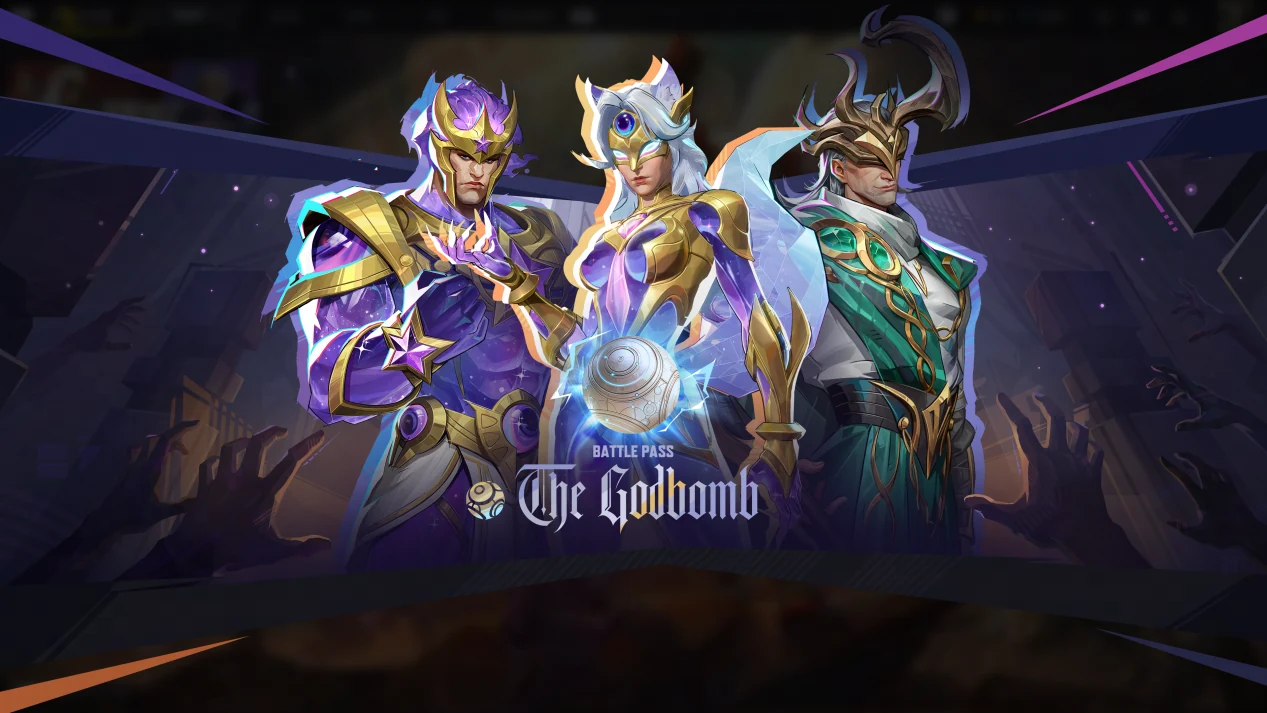
Image source: Marvel Rivals Official — Season 10 characters and The Godbomb theme.
Why two tier lists can disagree
A global list blends ranks, maps, and team coordination. A high-mobility hero may overperform for specialists while producing weak average results; a straightforward support may do the opposite. Patch timing also matters: early data contains matchup unfamiliarity and uneven placement progress.
| Question | What to inspect | How it changes the pick |
|---|---|---|
| Can your team enter safely? | Vanguard uptime, cover, and enemy sightlines | Prefer space creation over a third damage pick. |
| Are targets surviving at low health? | Burst windows and escape cooldowns | Add reliable finish pressure, not just more total damage. |
| Is the backline collapsing first? | Peel tools and support positioning | Choose a Strategist or Vanguard that can deny the dive. |
| Does the map force narrow chokes? | Area control and projectile lanes | Zone specialists can outperform their global band. |
Two lenses: tracked results and high-rank meta
Counterwatch’s current table is a tracked-match model: it re-aggregates opted-in matches and shrinks small samples toward 50% so a tiny hot streak cannot dominate the order. A high-rank editorial list answers a different question—what coordinated Grandmaster-and-above lobbies are prioritizing. Those lenses can disagree without either one being useless.
| Lens | Strong signal | Blind spot | Use it for |
|---|---|---|---|
| Tracked all-rank data | Large samples and repeatable public methodology | Selection bias, mixed ranks, maps, and team quality | Finding heroes with stable broad results |
| High-rank editorial meta | Coordination, draft pressure, and specialist execution | Smaller observation pool and author judgment | Anticipating organized high-rank priorities |
| Your match history | Your real mechanics, maps, and hero pool | Small sample and emotional recency bias | Choosing what you should queue today |
In the tracked snapshot, the leading shrunk win rates included Mantis at 56.6%, Magik at 56.0%, Peni Parker at 55.4%, Gorr at 54.9%, Storm at 54.7%, Ultron at 54.3%, and Rocket Raccoon at 53.0%. A separate Grandmaster-focused editorial list valued some coordination-heavy heroes differently and treated Gorr more cautiously. That gap is the reason this guide uses bands and role context instead of declaring one universal top seven.
Data sources: Counterwatch and MarvelRivals.gg — all-rank tracked win rates and the high-rank meta comparison.
Turn a tier into a practice plan
Pick one hero from your role’s highest comfortable band and one counterpick that solves a different problem. Record three causes of lost fights—first death, failed engage, or unused defensive cooldown. If the same cause appears repeatedly, the fix is mechanical or positional; changing to another S-tier hero will not solve it.
Peni ParkerThe HoodMagikGorr the God ButcherMantisUltronRocket RaccoonHow to use this tier list without losing games
- Filter by your rank. Coordination-heavy heroes change value between Bronze and Celestial.
- Compare within a role. A 54% Strategist and 54% Duelist solve different problems.
- Keep a comfort floor. Do not take a hero into ranked until you can repeat their basic engage, escape, and ultimate plan.
- Read the enemy composition. A lower-tier counter can be better than a higher-tier neutral pick.
- Recheck after Season 10.5. A mid-season balance pass can invalidate launch-week ordering.

Tier position can change without notice. Decide whether you enjoy the hero first, then check current Lattice options for the exact cosmetic you want.
When to ignore the higher tier
Ignore the global ordering when the hero cannot perform the job your composition needs. A top Duelist does not replace a frontline, and a high-win-rate Strategist is not automatically the best answer to a specific dive. Also step down a band when your execution cost is too high: missing a difficult engage twice can be more damaging than choosing a simpler hero with slightly weaker global results.
Use three checkpoints before swapping: can the hero reach the fight without spending the escape, can the hero threaten the target your team is focusing, and can the hero contribute when the ultimate is unavailable? If two answers are no, the matchup is asking for a different tool.
Related Marvel Rivals guides
Tier list FAQ
Who is the best Marvel Rivals hero in Season 10?
Mantis held the highest shrunk all-rank win rate in the current tracked sample, followed closely by Magik and Peni Parker. The best pick for one match still depends on role, rank, map, and team composition.
Is Gorr overpowered?
Gorr opened with a strong tracked win rate, but launch-week data also reflects opponent unfamiliarity. Wait for more matches and the Season 10.5 balance pass before calling the result permanent.
Should I stop playing a specialist-band hero?
No. Check data for your rank and compare it with your own results. A mastered specialist can outperform an unfamiliar meta pick.
Bottom line
Use S and A tiers to identify efficient heroes to learn, then let role coverage, matchup, and mastery decide the actual pick. The list is most valuable when it narrows practice—not when it dictates every match.



Copyright © FUTURE OUTLOOK TECHNOLOGY LIMITED.Company Registration No.: 77374965 All rights reserved.UNIT 135,1/F.,143 WAI YIP STREET,KWUN TONG HK