
State of Survival Season, Alliance, and PvP Guide

Many players spend most of their early attention on buildings and account growth, only to enter seasonal content or state-level competition and suddenly realize they cannot keep up. The reason is simple: State of Survival: Zombie War is not a game built only around solo shelter progression. Current official content repeatedly emphasizes the importance of alliance cooperation, cross-state competition, State Event, Survival Royale, and King of the Hill. In other words, the real gap between average players and strong players is often not created during early construction, but in whether they actually understand the game’s season systems, alliance structure, and PvP logic.
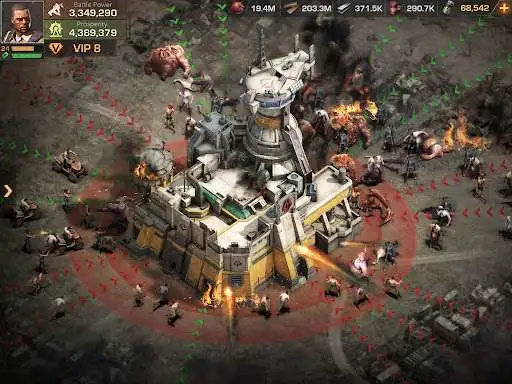
Why Seasons, Alliances, and PvP Matter
What really separates players is not single-player development, but whether they know how to compete in the systems that matter. A player can have decent buildings and acceptable hero growth, but still struggle badly once seasonal rankings, alliance coordination, and competitive timing become important. In State of Survival: Zombie War, knowing how to fight for rewards is often more important than simply raising raw power.
Season Play Is About Ranking Logic
Seasonal gameplay is not just about clearing every available task. The real key is understanding how points, rankings, reward timing, and store value fit together. Once you see the season as a resource-to-ranking conversion system, your decisions become much clearer.
Efficiency Matters More Than Doing Everything
Many players approach seasons with the wrong mindset. They assume the goal is to touch every mode, complete every task, and stay constantly active. But season systems are usually built around efficiency, priority, and timing. What matters is not how many things you do, but how well your resources translate into score, rank, and long-term seasonal returns.
The Biggest Mistake Is Wrong Resource Timing
The most common season mistakes usually fall into two patterns. The first is spreading resources too evenly across every activity, which leads to average results everywhere but strong results nowhere. The second is dumping too many resources at the start, then running out of materials before the most valuable stages arrive. Strong season play is about using limited resources in phases so you can keep pushing when the ranking pressure is highest.
Alliances Drive Seasonal Progress
In competitive season systems, alliances are not just social groups or background features. They are the engine behind better rewards, stronger coordination, and more efficient ranking performance. If you are in the wrong alliance, your personal ceiling becomes much lower no matter how well you play on your own.
A Good Alliance Increases Personal Value
A well-organized alliance usually tells members when to save resources, when to burst, which tasks matter most, and where collective effort is required. The strength of these alliances does not only come from spending. It comes from structure. Everyone knows when to hold and when to act. That coordination creates better total performance and better personal returns for each member.
You Do Not Need to Be the Strongest Player
For most players, the key is not becoming the strongest member in the alliance. The key is joining an alliance that actually knows how to play seasons. If the alliance understands timing, rankings, and event priorities, your own account gains much more value from the same level of investment. For free-to-play and mid-spending players especially, this can make a huge long-term difference.
PvP Is About Timing and Structure
PvP in State of Survival: Zombie War is not just a raw stat check. Modes such as Survival Royale, cross-state battles, and King of the Hill show that competitive play is built around more than power numbers. Team support, troop composition, timing, positioning, and alliance response all influence whether a fight is actually worth taking.
Not Every Fight Should Be Taken
One of the biggest differences between inexperienced players and strong competitive players is that skilled players know when not to fight. Newer players often enter competitive modes and immediately look for combat, wasting troops, healing, stamina, relocation options, and rally windows on low-value battles. Mature PvP play is not about fighting everywhere. It is about knowing which battles serve your objectives and which ones are just emotional resource loss.
Know What the Fight Is For
Before taking action, you should know whether you are fighting for points, for map position, for alliance coordination, or for a seasonal objective. That distinction matters. In many cases, a battle that looks good in the moment may actually hurt your later progress if it costs too many troops or disrupts alliance plans. PvP works best when it is goal-driven, not impulse-driven.
Season Resource Management Decides Rewards
The difference between players who merely participate and players who actually claim meaningful rewards often comes down to resource management. Seasonal competition does not only reward strength. It rewards preparation. If your speedups, stamina, upgrade materials, and event currency have already been wasted on low-value daily usage, you will always feel one step behind during ranking pushes.
High-Return Players Prepare Early
Players who consistently get stronger seasonal rewards usually do not rely on last-minute fixes. They prepare in advance. They keep enough speedups, stamina, and growth materials available so that when an important event phase arrives, they can push hard without hesitation. Their advantage often comes less from total spending and more from understanding when to save and when to explode.
Save for High-Value Windows
This is why resource planning matters so much in season content. Do not spend everything during ordinary daily progress. Keep room for the stages that actually decide rankings and store value. In many cases, the gap between you and a higher-ranked player is not that they spent dramatically more overall. It is that they saved for the right windows while you spent too much too early.
How to Avoid Common Competitive Mistakes
If you want to perform better in seasons, alliances, and PvP, the first step is to stop treating every activity as equally important. Learn the ranking logic behind the season, stay in an alliance with real organization, treat PvP as objective-based decision-making, and build your resource plan around important competitive phases. Once you do that, your rewards and progression usually improve much faster than they would through simple power stacking alone.
Conclusion
The season, alliance, and PvP systems in State of Survival: Zombie War do not really test whether you are willing to fight. They test whether you know how to fight. If you understand seasonal ranking logic, stay in an alliance with real coordination, and use PvP as a tool for goals instead of emotion, your overall returns will be much stronger than if you only focus on raw power growth.
If you want to prepare resources more calmly before a major season push or keep pace with alliance timing during key stages, ManaBuy is also worth watching. Planning your State of Survival: Zombie War Top Up in advance is often much more efficient than trying to repair resource shortages in the middle or late part of a competitive season.


Copyright © FUTURE OUTLOOK TECHNOLOGY LIMITED.Company Registration No.: 77374965 All rights reserved.UNIT 135,1/F.,143 WAI YIP STREET,KWUN TONG HK