
State of Survival Hero, Lineup, and Troop Guide

Many players in State of Survival: Zombie War fall into the same trap: they assume that pulling rarer heroes and raising raw power will automatically make their team stronger. But the game’s combat foundation works differently. There are three core troop types—Infantry, Rider, and Hunter—and each one has a different role in battle. Once you understand that, it becomes clear that hero growth and team building are not just about individual strength, but about structure, balance, and role assignment.
Understand Infantry, Rider, and Hunter First
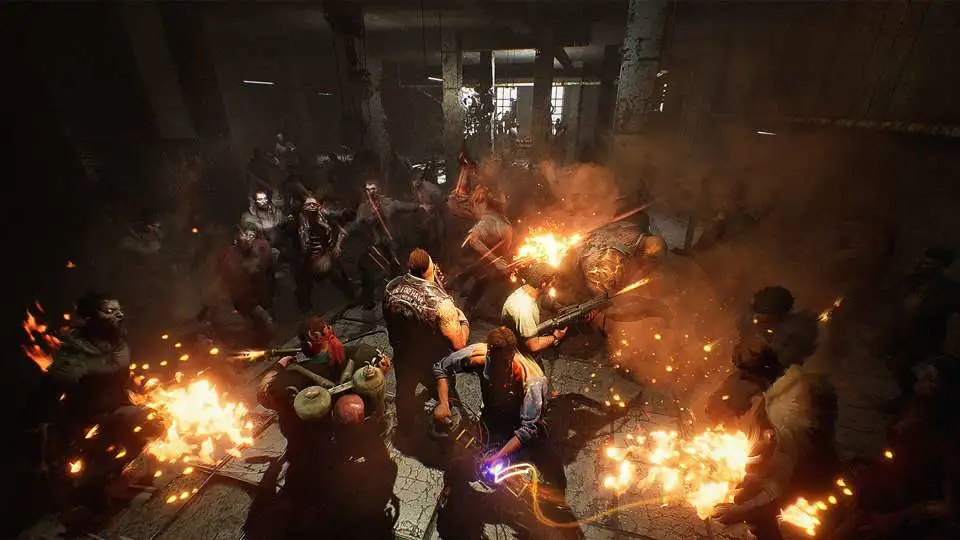
The first thing to understand is that troop balance matters more than many players expect. Infantry has higher health and defense, so it handles the frontline. Rider has stronger attack but less durability than Infantry. Hunter delivers the highest damage, but it is also the most fragile. In battle formation, Infantry takes damage first, while Rider and Hunter rely more on positioning and protection behind it.
This system directly affects how you should build teams. You cannot judge heroes only by rarity or surface-level strength. You need to understand how troop roles connect and how the team works as a whole.
Do Not Build a One-Sided Team
The most important rule in troop composition is simple: do not make your team too one-dimensional. A single troop type can create obvious weaknesses. Pure Infantry teams may survive longer, but their damage is often too low. Rider- or Hunter-heavy teams may look strong on paper, but without enough frontline protection, they can collapse very quickly once the fight starts.
Why Some Teams Have Power but Still Lose Fast
In many cases, the problem is not that the heroes are weak, but that the team structure is wrong. If your frontline cannot hold, your backline damage dealers never get enough time to perform. If you stack too much damage and ignore survivability, the formation may look impressive in terms of total power, but it becomes extremely fragile in real combat. This issue becomes even more obvious in PvP and higher-pressure events.
Balance Comes Before Extremes
At the troop level, what you should pursue first is not an extreme build, but a complete structure. You need a frontline that can stand, a middle layer that can keep pressure, and a backline that can continue dealing damage. For most players, a balanced mixed formation is much more stable than a heavily skewed composition that only looks good in ideal situations.
Hero Growth Should Follow Your Main Troop Path
Hero development in State of Survival: Zombie War should always be connected to your troop direction and your main gameplay goals. Heroes do not exist in isolation. Their value is tied to troop type, position, and function. That means your growth plan needs to start with your team direction, not with random hero pulls.
Do Not Train Every Good-Looking Hero
This is one of the most common beginner mistakes. You pull several heroes that seem useful, so you invest a little into all of them. At first, this may not feel like a major problem. But by the mid game, the weakness becomes obvious. You end up without a real main team, without a clear troop path, and without enough focused power to perform well in infected content, alliance rallies, or PvP.
Set Your Main Goal First
A much more stable approach is to decide your main direction early. Are you focusing more on daily progression, alliance cooperation, or competitive content? Which troop type will your main team lean toward? Once those questions are answered, your hero investment order becomes much easier to manage. Instead of building everyone halfway, you can concentrate resources on the heroes that actually support your main lineup.
Good Lineups Need Clear Roles
When you think about lineup building, it helps to simplify the problem into three questions: who tanks, who applies pressure, and who delivers damage? Infantry is usually better suited for frontline responsibility. Hunter usually handles the heaviest damage role. Rider often contributes through mobility, pressure support, and damage follow-up.
A Strong Team Is Defined by Role Clarity
If your frontline heroes and Infantry structure are not established, even strong backline heroes will struggle to perform consistently. On the other hand, if you only stack survivability and ignore damage, your team may last longer but still perform poorly in many events and competitive situations. The strongest lineups are not always the flashiest ones. They are the ones where every part of the team has a clear job.
Start With a Stable Core Team
For most regular players, the safest path is not chasing an extreme burst lineup from the beginning. A better plan is to first build a reliable core team with good structure, higher tolerance for mistakes, and enough flexibility for both progression and events. Once that core team is established, changing direction later becomes much less expensive.
Lineup Planning Is Also Resource Planning
In games like State of Survival, hero materials, troop training, upgrade items, and growth currencies are all valuable. If you invest in the wrong direction, the cost of fixing those mistakes later can be very high. That is why lineup planning is also a form of resource planning. If you decide your troop direction, core heroes, and main usage scenarios early, you can avoid a great deal of waste.
Structure Matters More as the Game Gets Harder
As alliance gameplay, State Event, and PvP become more important, team completeness becomes more valuable as well. In early stages, some content can still be cleared through basic stat advantage. But later on, strength comes more from formation quality, troop synergy, and execution details. What feels optional early will become decisive later.
Conclusion
The hero, lineup, and troop system in State of Survival: Zombie War has never been as simple as “use the rarest heroes.” What really matters is whether you understand the role relationship between Infantry, Rider, and Hunter, whether your heroes are supporting the right troop path and battle scenario, and whether you build a stable main team before trying more advanced transitions.
If you want to fill the key resource gaps needed for your main lineup more quickly, you can also keep an eye on ManaBuy. A well-planned State of Survival: Zombie War Top Up can give you more flexibility across events, hero growth, and team development.


Copyright © FUTURE OUTLOOK TECHNOLOGY LIMITED.Company Registration No.: 77374965 All rights reserved.UNIT 135,1/F.,143 WAI YIP STREET,KWUN TONG HK