
MLBB Item and Counter-Build Guide: How to Change Builds in Ranked

If you have ever copied a recommended MLBB build and still felt useless in ranked, the issue may not be the hero. It may be that the enemy draft asked for a different item answer. The same marksman may need anti-heal in one match, Wind of Nature in another, and Malefic Roar earlier when tanks stack armor. The same mage may rush damage in a clean game but buy Winter Crown or magic penetration when the enemy keeps diving or building resistance. This guide explains how to read the match and change your build without losing your hero's core power.
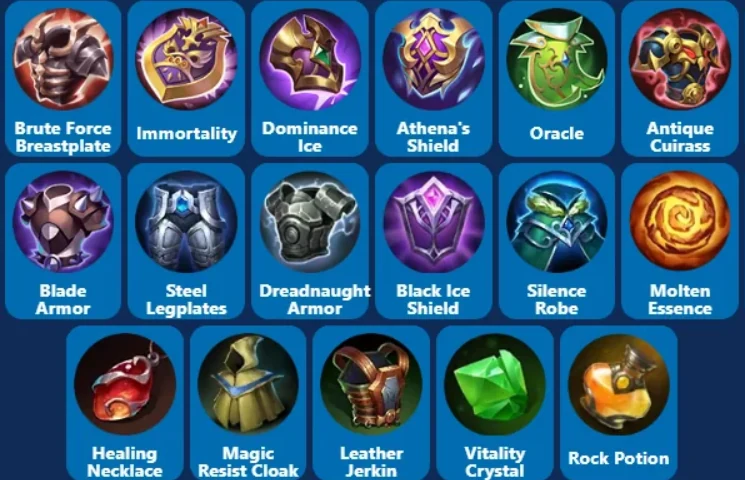
Why MLBB Builds Change From Game to Game
MLBB items are not only stat sticks. They answer problems. A fixed build is useful because it gives your hero a normal power curve, but ranked games rarely stay normal. Enemy healing may make your damage feel low even when your gold is fine. A burst assassin may force you to buy survival before your next damage spike. A tank-heavy draft may make flat attack or magic power feel bad until you buy penetration or HP-based damage.
Good item decisions usually happen before a fight is lost. If you wait until the enemy Estes, Uranus or Ruby has already controlled two objective fights, anti-heal arrives late. If you wait until Saber or Eudora kills you three times, your defensive item is only catching up. The simple habit is to ask what will decide the next Turtle, Lord or turret fight, then buy the item that answers that condition.
MLBB Equipment Categories and What They Actually Do
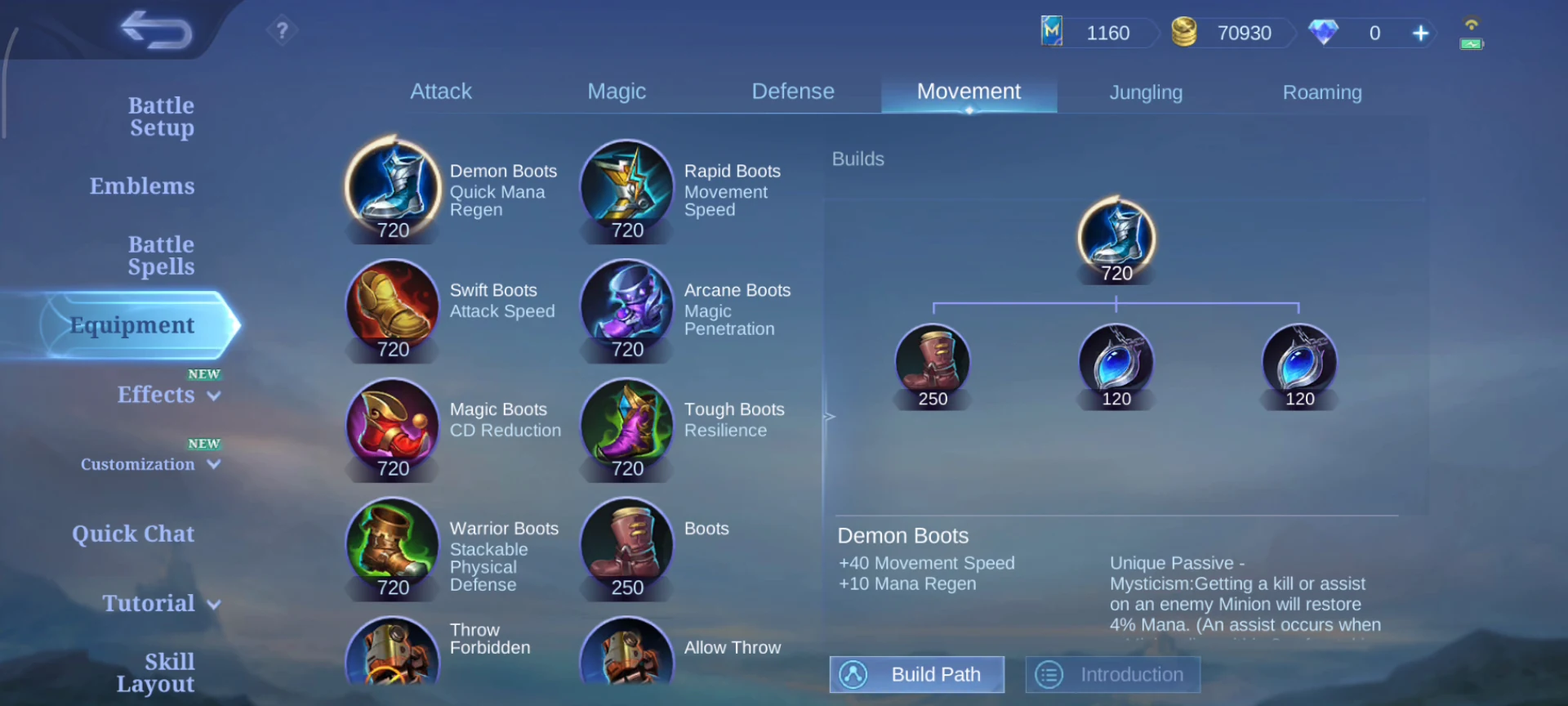
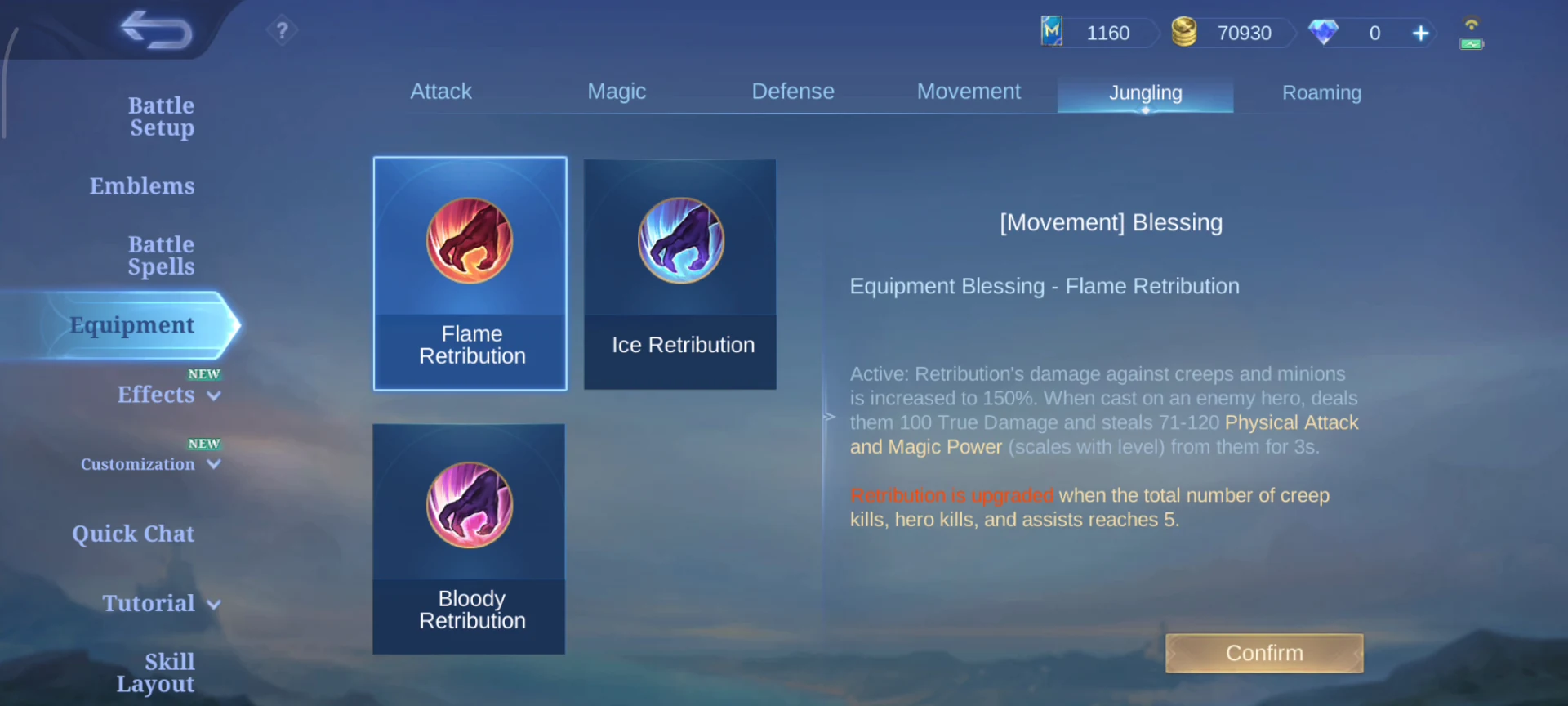
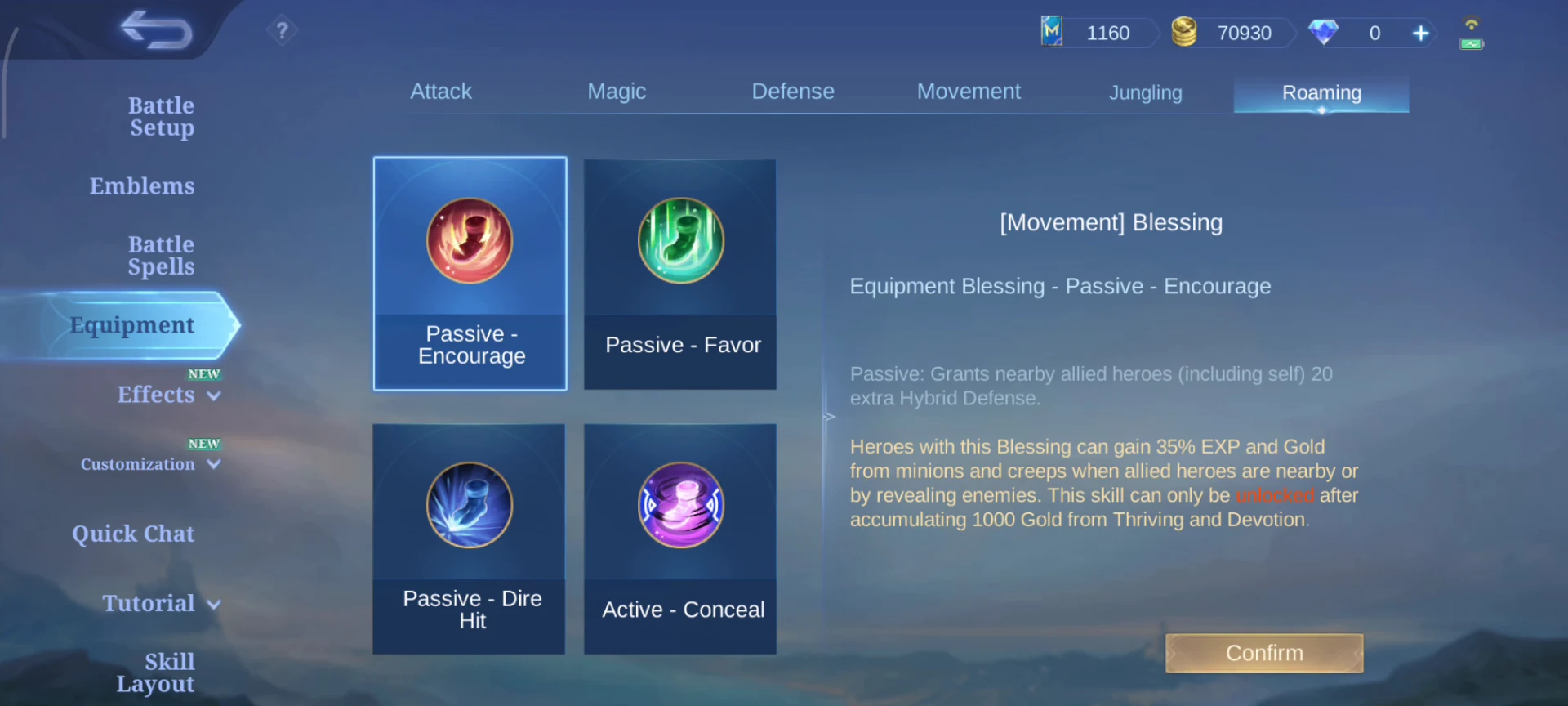
The in-game equipment page separates items into Attack, Magic, Defense, Movement, Jungling and Roaming. That classification is helpful, but it is only the first layer. In real matches, you should think by job: damage spike, anti-heal, penetration, survivability, cooldown, mobility, objective speed or team utility.
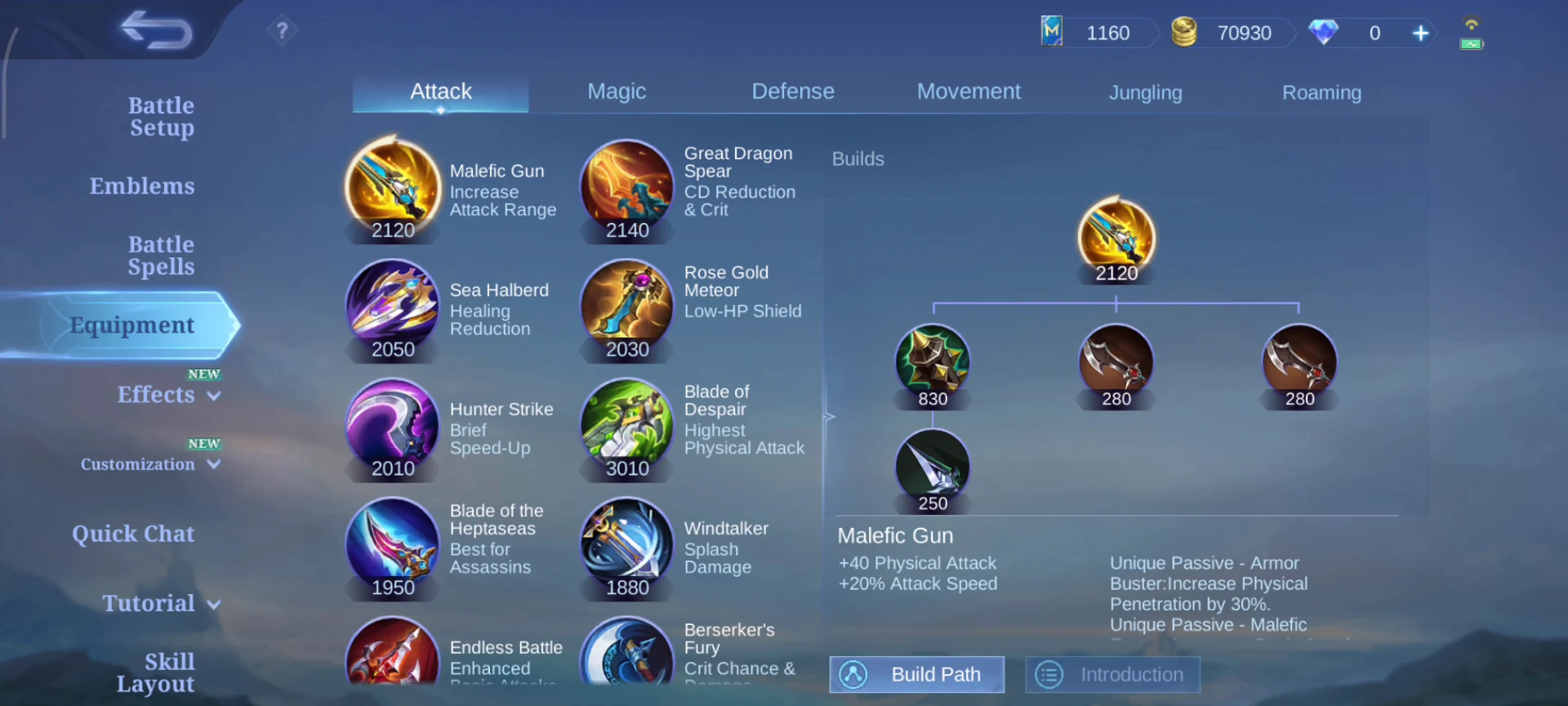
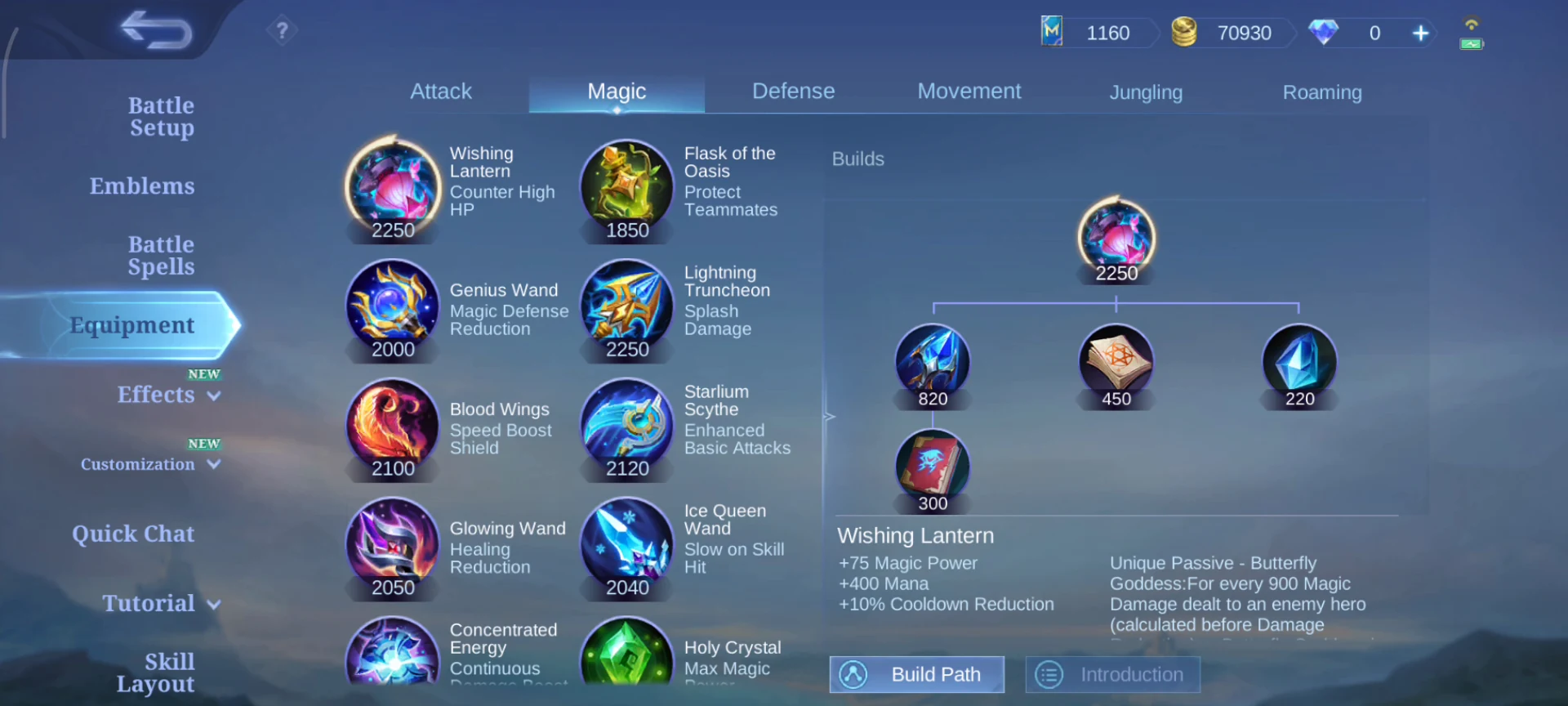
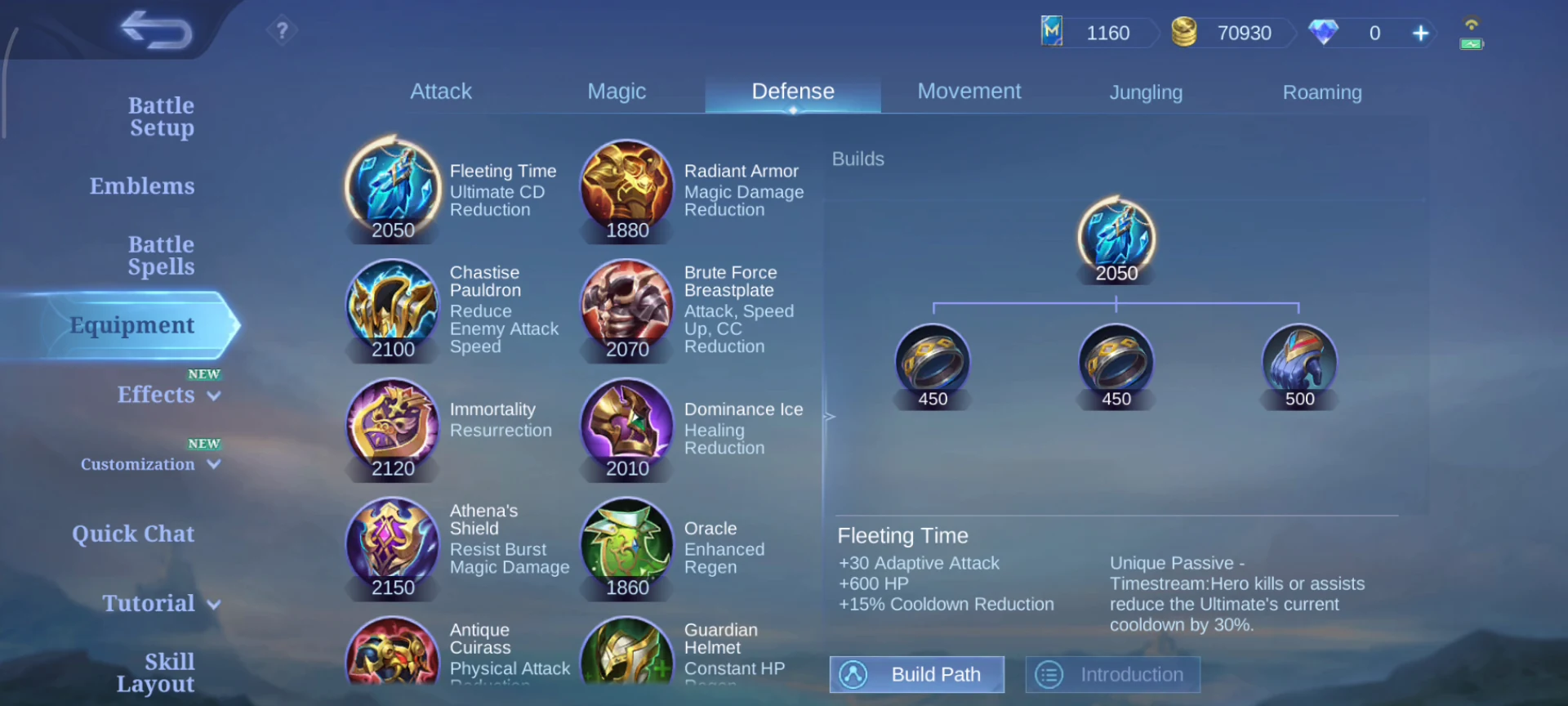
Key Item Differences at a Glance
Icons help players remember item jobs faster than text alone. Use this table as a visual shortcut: similar-looking build problems often need different item categories, and buying the wrong category is why a build can feel expensive but still weak.
| Icon group | Main difference | How players should read it |
|---|---|---|
 Sea Halberd Sea Halberd Glowing Wand Glowing Wand Dominance Ice Dominance Ice | All can answer sustain, but they fit different users. | Physical damage dealers, spell poke mages, and front-line tanks/roams should not all buy the same anti-heal item. |
 Athena's Shield Athena's Shield Radiant Armor Radiant Armor | Both are magic defense, but they answer different damage patterns. | Athena's Shield is for front-loaded burst; Radiant Armor is for repeated magic hits and poke. |
 Malefic Roar Malefic Roar Demon Hunter Sword Demon Hunter Sword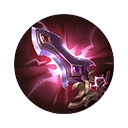 Divine Glaive Divine Glaive | These are anti-frontline tools, not generic damage fillers. | Use physical penetration, HP-based physical damage, or magic penetration depending on your hero and enemy resistance. |
 Wind of Nature Wind of Nature Winter Crown Winter Crown Immortality Immortality | These help you survive the fight-winning moment. | They are strongest when you know exactly which enemy skill or burst window you need to dodge. |
 Tough Boots Tough Boots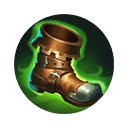 Warrior Boots Warrior Boots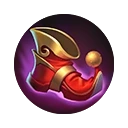 Magic Shoes Magic Shoes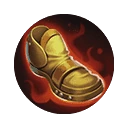 Swift Boots Swift Boots | Boots are the first counter-build decision. | Choose control reduction, physical trading, cooldown, or attack speed by lane pressure and enemy draft. |
Physical Items: Damage, Anti-Heal, Anti-Tank and Survival
Physical heroes usually care about three questions: can I damage the target I need to hit, can I survive long enough to keep hitting, and do I need to reduce healing or shields? For marksmen and physical junglers, items like Demon Hunter Sword, Malefic Roar, Sea Halberd and Wind of Nature can completely change the matchup. For fighters, War Axe, Hunter Strike, Queen's Wings, Rose Gold Meteor and defensive items decide whether they can enter and stay in the fight.
Physical item examples
- Use Sea Halberd early when your physical hero can reliably hit healing or shield-heavy enemies.
- Use Demon Hunter Sword when high-HP frontliners are the real obstacle and fights last long enough for basic attacks.
- Use Malefic Roar when enemies are stacking physical defense and your damage no longer reaches tanks or fighters.
- Use Wind of Nature when physical burst or a fed physical carry can delete your marksman before you deal damage.
- Use Rose Gold Meteor when a physical hero needs a shield against magic burst without fully giving up damage.
Magic Items: Burst, Poke, Cooldown and Magic Penetration
Mage builds change based on how your hero deals damage. A burst mage wants to reach a kill threshold. A poke mage wants repeated spell value. A utility mage may care more about cooldown, safety and control than raw magic power. When enemies buy magic defense, damage items that looked strong early can fall off until you add magic penetration.
Glowing Wand is commonly treated as the mage anti-heal direction when its current in-game passive supports that job, while Divine Glaive and Genius Wand help magic damage punch through resistance. Winter Crown is not a damage item, but it can be the difference between casting a second combo and dying before the fight starts. Always check current in-game item text after major patches, because item passives can be adjusted.
Magic item examples
- A poke mage into sustain should apply anti-heal before long objective fights.
- A burst mage into squishy enemies can stay greedy if the enemy cannot reach them.
- A mage into Athena's Shield or Radiant Armor users needs penetration timing, not only more magic power.
- A mage being targeted by dive can buy Winter Crown earlier and still win by surviving the first engage.
Defense Items: Match the Damage Pattern
Defense items are the easiest place to make a wrong purchase. Do not buy armor just because you are dying; first ask what type of damage is killing you. Antique Cuirass is more useful into repeated physical skill damage. Blade Armor is more relevant when basic attack or crit damage is the issue. Athena's Shield is better into front-loaded magic burst, while Radiant Armor is stronger into repeated magic hits and poke. Dominance Ice is valuable for frontliners when the match calls for anti-heal, attack speed reduction or armor utility.
| Problem in this match | Item direction | Practical rule |
|---|---|---|
| Enemy has strong healing or shields | Sea HalberdGlowing WandDominance Ice | Pick the anti-heal item your team can apply consistently. Do not wait until the healer already controls every objective fight. |
| Enemy physical combo deletes you |  Antique CuirassWind of NatureImmortality Antique CuirassWind of NatureImmortality | Antique Cuirass helps into repeated physical skill damage; Wind of Nature is a marksman answer to physical burst; Immortality buys one late-game mistake. |
| Enemy magic burst one-shots carries | Athena's Shield Rose Gold MeteorWinter Crown Rose Gold MeteorWinter Crown | Athena is better into front-loaded magic burst. Rose Gold Meteor helps physical heroes survive magic burst while keeping damage. |
| Enemy magic poke hits repeatedly | Radiant Armor Oracle Oracle | Radiant is stronger into repeated magic ticks and poke. Oracle is more valuable when your hero or team gives shields and healing. |
| Enemy tanks stack armor or HP | Malefic RoarDemon Hunter SwordDivine Glaive Wishing Lantern Wishing Lantern | Use physical or magic penetration into resistance. Use HP-based damage when the front line has high health and extended fights. |
| Enemy basic attack carry is fed |  Blade ArmorDominance IceWind of Nature Blade ArmorDominance IceWind of Nature | Armor alone is not enough if you stand badly. Combine item choice with target marking and safer fight spacing. |
Anti-Heal, Anti-Burst and Anti-Tank Rules
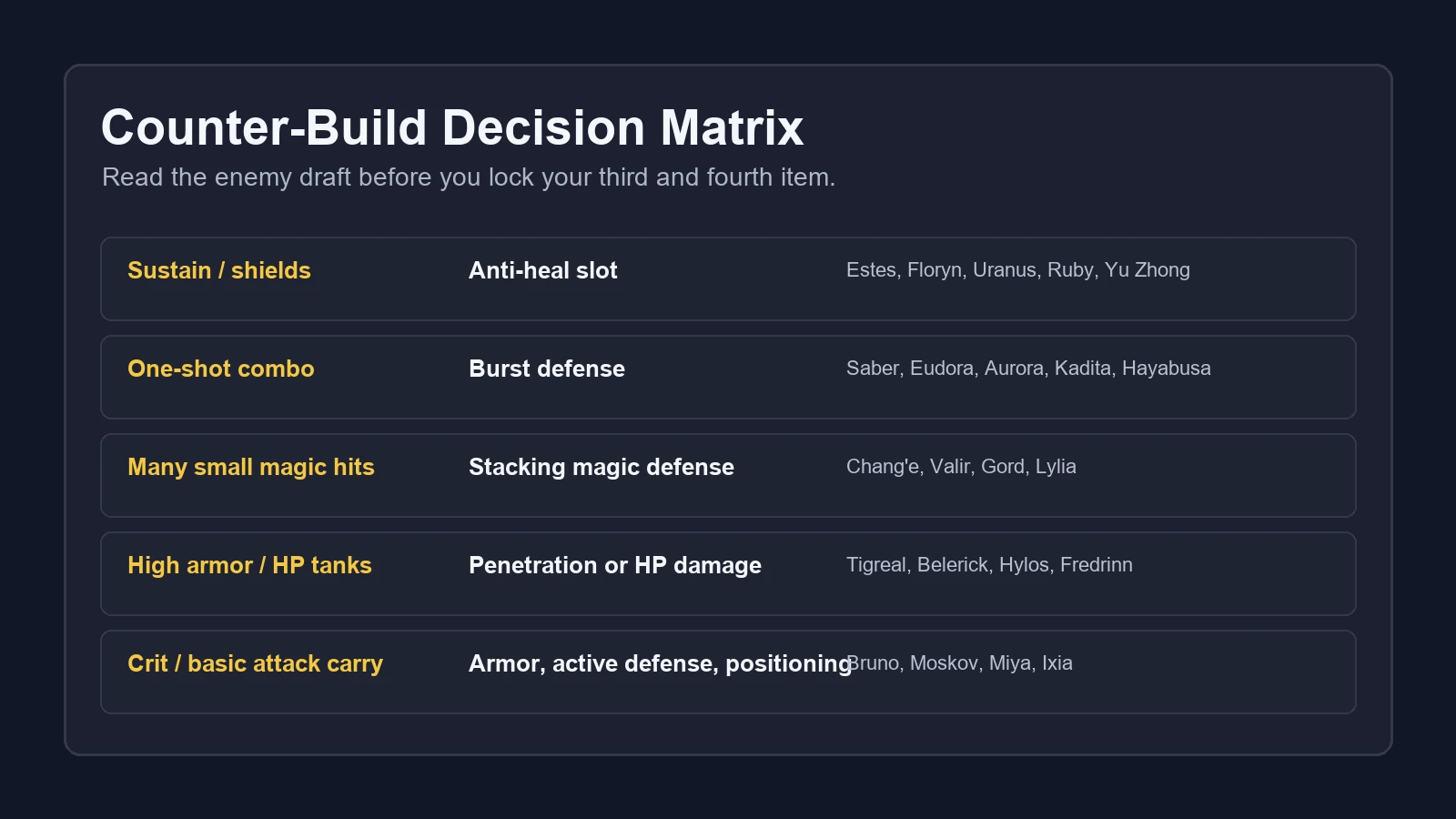
Counter-building becomes much easier if you name the problem in one sentence. Do not say, 'I need defense.' Say, 'Saber is killing me with physical burst,' or 'Estes is resetting every fight,' or 'Hylos is too tanky for our damage.' Once the problem is clear, the item direction becomes clearer.
Anti-heal rule
Anti-heal should be bought by the hero who can apply it consistently. A marksman who hits the front line often can use Sea Halberd. A mage who tags multiple enemies can use the magic anti-heal direction. A tank or EXP frontliner can use the defensive anti-heal direction if the item text in the current patch supports that role. The mistake is expecting one teammate to buy it late while the enemy healer already controls every fight.
Anti-burst rule
Anti-burst is about timing, not only stats. Wind of Nature, Winter Crown and Immortality matter because they change the first few seconds of a fight. Athena's Shield, Antique Cuirass and Rose Gold Meteor matter because they reduce the exact damage pattern that would otherwise remove you. If you are the main damage source, one correct survival item can be more valuable than another damage item.
Anti-tank rule
Anti-tank builds need either penetration, HP-based damage or both. Demon Hunter Sword helps physical basic attackers into high-HP enemies. Malefic Roar helps physical damage into armor. Divine Glaive helps magic damage into magic defense. Wishing Lantern and similar current magic options can matter when the enemy front line has enough HP for long fights. Do not keep stacking flat damage if the enemy defense is the reason fights are stalling.
Role-by-Role Item Priorities
| Role | Common flexible items | How to choose |
|---|---|---|
| Physical carry | Sea HalberdDemon Hunter SwordMalefic RoarWind of Nature | Use Sea Halberd when healing/shields matter, Demon Hunter Sword into HP tanks, Malefic Roar into armor, and Wind of Nature when physical burst can delete you. |
| Mage | Glowing WandDivine Glaive Genius Wand Genius Wand Holy CrystalWinter Crown Holy CrystalWinter Crown | Use magic anti-heal when your spells can tag several targets, Divine Glaive into magic defense, and Winter Crown when survival is worth more than another damage spike. |
| EXP fighter |  War Axe War Axe Hunter Strike Hunter Strike Queen's WingsDominance IceAthena's Shield Queen's WingsDominance IceAthena's Shield | Balance lane pressure with teamfight survival. A fighter that dies before entering the fight has no damage value. |
| Roam tank/support | Dominance IceAntique CuirassAthena's ShieldRadiant ArmorImmortality | Buy the defense that matches the enemy damage pattern. Roam builds should protect the team's next objective, not only your own KDA. |
| Jungler |  Bloody Retribution Bloody Retribution Ice Retribution Ice Retribution Flame RetributionDemon Hunter SwordHunter Strike Flame RetributionDemon Hunter SwordHunter Strike | Keep clear speed and Retribution timing first, then decide whether the game needs more burst, tank damage or survival. |
Build Change Examples You Can Use in Ranked
The easiest way to learn counter-building is through examples. You do not need to memorize every item interaction at once. Start with the match problem, pick one item change, then watch whether the next fight improves.
| Match example | Build change | Why it works |
|---|---|---|
| Gold lane vs Estes + Uranus | Sea Halberd Keep first damage item, then buy Sea Halberd earlier than usual. | Your team needs anti-heal before Turtle/Lord fights become impossible. Waiting for a perfect damage curve lets their sustain outlast you. |
| Mage vs Chang'e + Valir | Radiant ArmorWinter Crown Delay greed damage if you are the target. | Repeated magic poke can remove you before the real fight. Surviving to cast two rotations may beat one extra damage item. |
| Jungler vs Fredrinn + Hylos | Demon Hunter SwordMalefic Roar Add tank damage or penetration sooner. | If the front line never dies, backline access becomes harder. Tank damage can be the correct path even for a carry-minded jungler. |
| Roam vs Saber + burst mage | Antique CuirassAthena's Shield Buy by the main damage source. | Your job is to enter first and survive the counter-combo. Buying the wrong defense makes every engage look bad. |
| Marksman after 15 minutes | Wind of NatureImmortalityWinter Crown Consider a survival item or swap. | Late fights are often decided by one death. A survival active can be worth more than a small DPS gain. |
Late-Game Item Swaps and Active Items
In late game, one death can end the match. This is why experienced players value active items and swaps. A marksman may use Wind of Nature against physical burst. A mage may use Winter Crown to dodge the first engage. A frontliner may buy Immortality so the team can still contest Lord after a risky initiation. When Immortality is triggered, some players later sell or swap it if they have enough gold and time, but this is only worth doing when you can make the swap safely.
- Do not swap while enemies are already hitting your base unless you can do it instantly.
- Do not buy an active item and forget to use it; place it where your thumb can reach it.
- Do not treat Immortality as permission to face-check alone. It buys time, not a free objective.
- If your active item is on cooldown, play more carefully until it returns or until you can swap.

Common Item Build Mistakes
Most item mistakes come from buying by habit instead of by matchup. A good build is not always the one with the highest damage number on the post-game screen. It is the one that lets your hero do the job needed for the next fight.
| Mistake | Why it hurts | Better habit |
|---|---|---|
| Following one build every match | You ignore enemy healing, burst, tankiness and control. | Keep your hero core, then change situational slots. |
| Buying anti-heal too late | The enemy sustain wins early objectives before your counter appears. | Buy it before the fight where healing will decide the outcome. |
| Buying the wrong defense | Armor does not solve magic burst, and magic defense does not solve fed physical carries. | Identify the exact damage source before buying. |
| No penetration into tanks | Your damage looks fine against squishies but fails against the real front line. | Add Malefic Roar, Divine Glaive or HP-based damage when resistance/HP stacks. |
| Ignoring boots | Early crowd control, physical trades or cooldown needs can decide lane before core items. | Treat boots as the first counter-build decision. |
Related MLBB Guides
Use these guides with the item framework when you want to connect builds to roles, objectives and ranked hero choices.
FAQ
Should I follow the top recommended build every game?
Use recommended builds as a starting point, not a rule. They usually give a stable core for your hero, but ranked games change when the enemy has heavy healing, high burst, tank stacking, crowd control or a fed carry. Keep the core, then adjust the situational slots.
When should I buy anti-heal in MLBB?
Buy anti-heal when enemy healing or shields are changing fight results, especially before Turtle or Lord fights. It is better to buy it one item early than to lose two objectives while waiting for a perfect damage build.
Is one defense item enough for damage heroes?
Often yes, if it counters the correct threat. A marksman with Wind of Nature into physical burst or a mage with Winter Crown into dive may survive long enough to win the fight. Buying random defense without changing positioning will not solve the problem.
How do I know whether to buy Athena's Shield or Radiant Armor?
Think about the damage pattern. Athena's Shield is usually better into front-loaded magic burst, while Radiant Armor is better into repeated magic hits and poke. If the enemy has both, decide which threat is actually killing you.
Do roamers and EXP laners need damage items?
Sometimes, but only when their team job allows it. A roam or EXP hero that must start fights usually needs the correct defense and utility first. Damage is stronger when you can survive long enough to apply it.
Can I change items during the late game?
Yes. Late-game swaps are part of good MLBB item play. After Immortality triggers, or when one active item is on cooldown, experienced players may swap into another survival item if they have enough gold and time.
Summary
MLBB counter-building starts with a simple question: what is stopping my hero from doing the job this match needs? If healing is the problem, buy anti-heal. If burst is the problem, buy the correct survival item. If tanks are the problem, buy penetration or HP-based damage. If the next fight is for Lord, do not greed for a perfect six-item damage build when one defensive item would keep your carry alive. Use recommended builds as a base, then let the enemy draft and the next objective decide the changes.





Copyright © FUTURE OUTLOOK TECHNOLOGY LIMITED.Company Registration No.: 77374965 All rights reserved.UNIT 135,1/F.,143 WAI YIP STREET,KWUN TONG HK