
How to Climb Ranked in MLBB: Solo Queue, Picks and Macro

Climbing ranked in Mobile Legends: Bang Bang is not only about finding a broken hero. A strong pick helps, but most rank gains come from repeatable habits: a small hero pool, cleaner drafts, better wave timing, earlier objective setup, safer teamfights and knowing when to stop after a bad streak. If you can make fewer low-value deaths and turn more wins into Turtle, Lord or turret pressure, you will climb more consistently even when solo queue feels messy.
This MLBB ranked climb guide connects the big pieces: solo queue vs team queue, pick priority, ban-pick logic, map resources, objective timing, teamfight decisions and losing streak control. It also links to deeper ManaBuy guides for roles, map objectives, hero picks and counter-builds, so you can turn the climb plan into a practical hero pool instead of trying to learn everything at once.
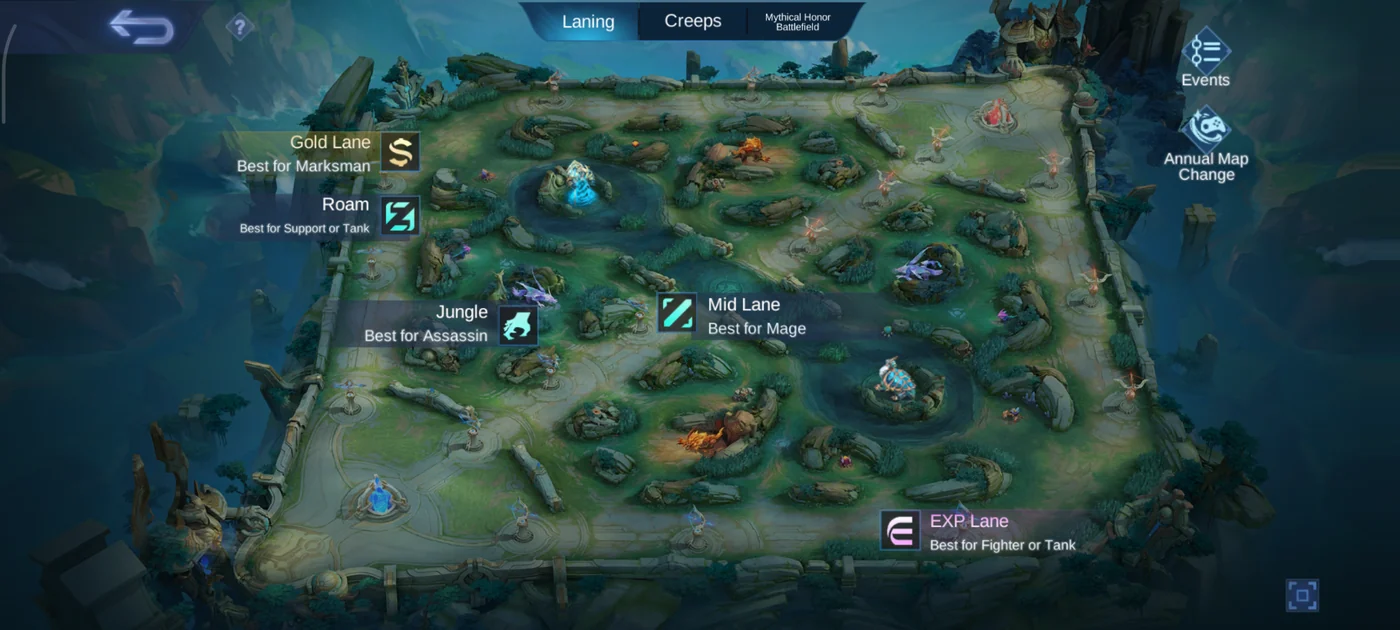
Quick answer: The safest way to climb MLBB ranked is to play two roles well, keep a small pool of reliable heroes, draft for damage balance and crowd control, clear waves before rotating, arrive early for Turtle and Lord, and stop queueing when losses become emotional. In solo queue, pick heroes that can survive mistakes and convert picks into objectives. In team queue, draft around role synergy, lane priority and planned objective setups.
Solo Queue vs Team Queue: What Actually Changes?
Solo queue rewards self-sufficient decisions. You cannot assume teammates will rotate on time, protect buffs, freeze waves or follow a perfect engage. That does not mean you should ignore teamwork. It means your hero and playstyle need to survive imperfect games. A solo queue climber needs heroes that clear waves, escape bad fights, punish obvious mistakes and still contribute when the team is disorganized.
Team queue rewards planned combinations. If you queue with friends, you can draft a jungle-roam-mid trio, build around a marksman win condition, assign who checks bushes, and call when to trade Turtle for tower. The better your communication, the more value you get from heroes that need coordination. Community threads such as this MLBB climbing strategy discussion repeat the same theme: consistent role habits matter more than one miracle trick.
Solo queue climb plan
- Play two main roles and one emergency role.
- Use heroes with wave clear, survivability or simple engage.
- Ping early instead of expecting teammates to read your plan.
- Trade objectives when your team is late rather than forcing hopeless fights.
Team queue climb plan
- Lock role assignments before entering draft.
- Build a jungle, roam and mid plan for the first Turtle.
- Decide whether the win condition is Gold Lane, jungle snowball or Lord control.
- Use voice or short calls for wave, Lord and retreat timing.
MLBB Ranked Climb Checklist
Before thinking about advanced mechanics, fix the repeatable ranked checklist. Most losing streaks are full of small errors that appear before the first big teamfight: picking a fifth damage hero, taking a hero you have not practiced, fighting before level 4, ignoring the first Turtle side, or chasing kills instead of breaking a turret.
| Climb layer | What to improve | Simple ranked rule | Best linked guide |
|---|---|---|---|
| Role pool | Know what your main role must do before copying a hero list. | Main two roles, keep one backup role, and do not fill with a hero you barely know. | MLBB Role Guide |
| Map macro | Understand Turtle, Lord, turret and wave timing. | Clear wave before rotating unless an immediate fight already started. | Map and Objectives Guide |
| Hero picks | Pick for draft needs, not only personal comfort or popularity. | Check damage type, control, front line and wave clear before locking. | Jungle Heroes / Roam Heroes |
| Items | Stop buying the same build into every enemy draft. | Adapt for anti-heal, burst defense, magic defense or physical defense by mid game. | Item Counter-Build Guide |
| Mental reset | Control queue quality after bad games. | After two emotional losses, stop ranked or switch to review/practice. | This guide |
Pick Priority: Build a Small Hero Pool That Wins Drafts
A good ranked hero pool is smaller than most players think. If you try to play every new meta hero, your decision-making stays shallow. Start with two roles you can play without panic, then build each role around three types of picks: a safe blind pick, a counter or answer pick, and a comfort carry. This gives you draft flexibility without turning every ranked match into practice mode.
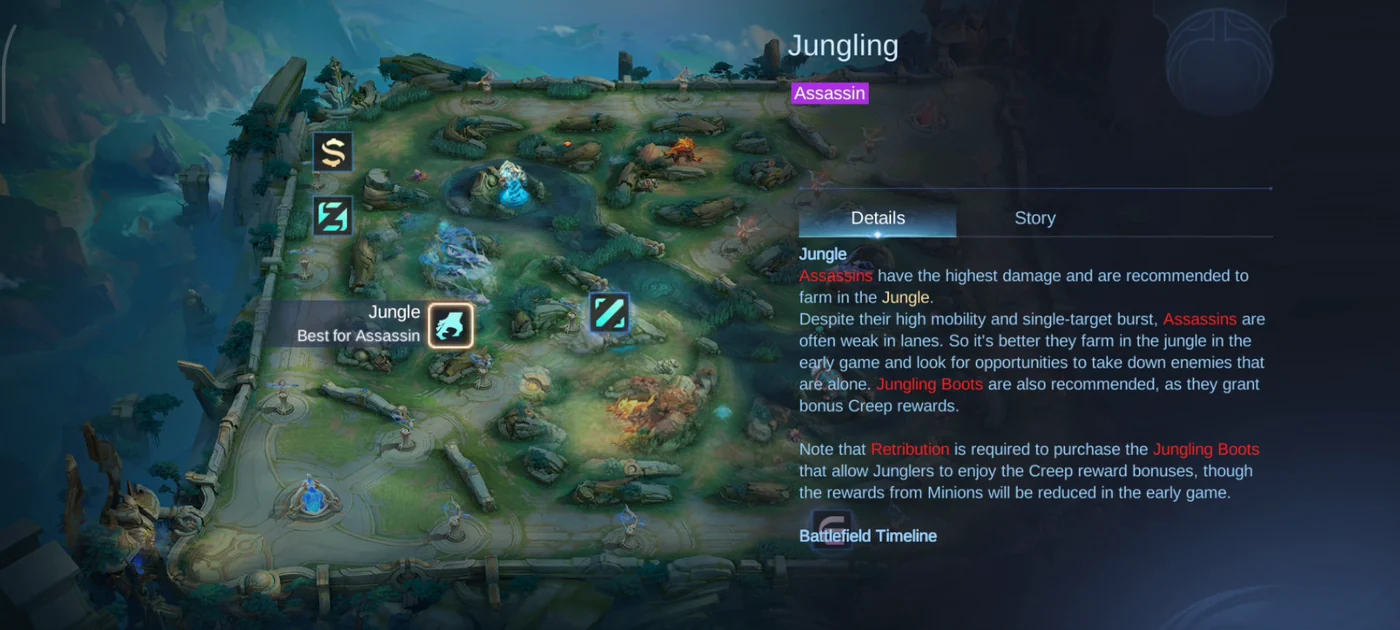
Jungle
Pick for objective control, clear speed and whether your team needs burst or front line.
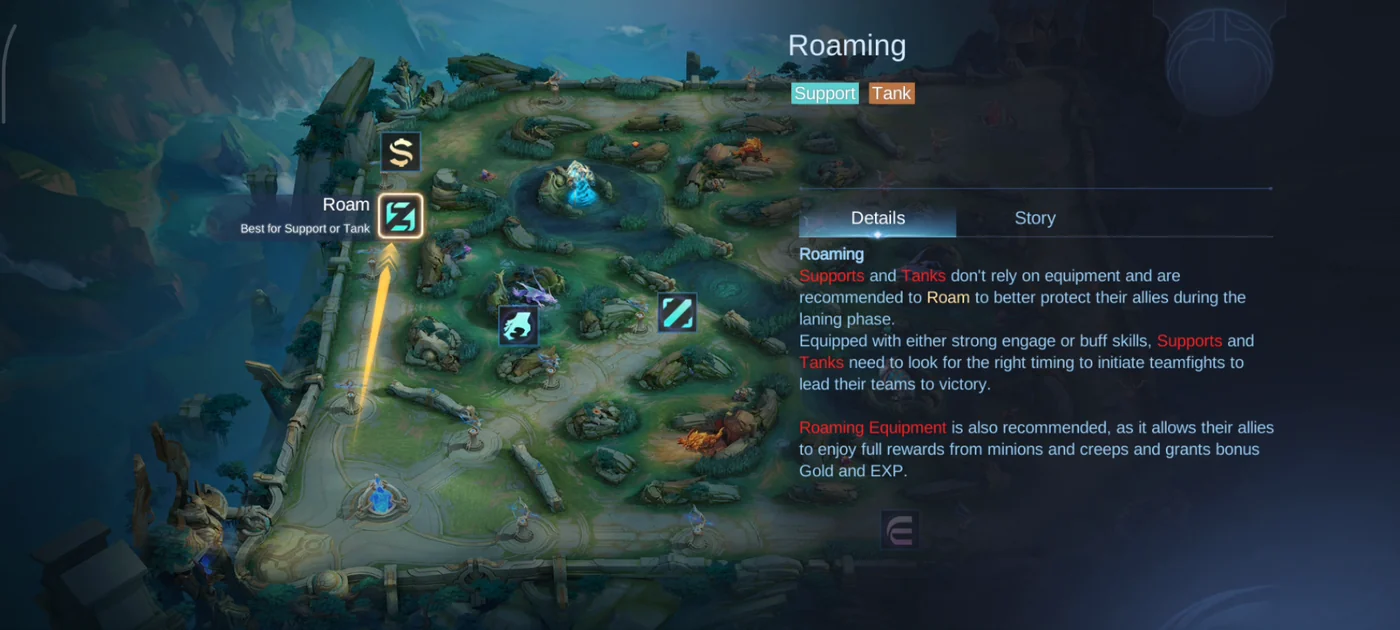
Roam
Pick engage when your team lacks start, peel when your carry needs protection.
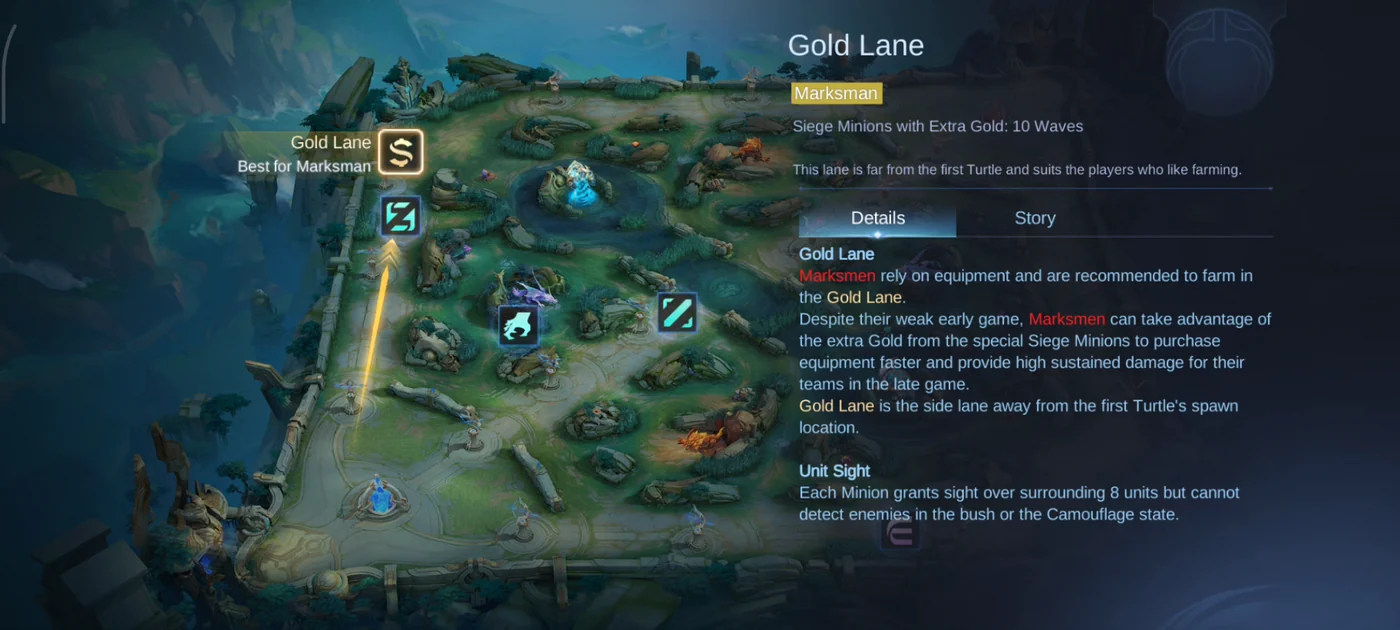
Gold Lane
Pick for scaling damage, lane safety and how well you survive dive pressure.
Ranked-safe hero pool example
Use the names below as examples, not as a permanent tier list. Patches change, but the role logic stays useful. A simple assassin, a durable front line, a strong roamer and a stable marksman usually climb better than a random collection of flashy heroes.
| Draft need | Examples | Why it helps ranked | Avoid when |
|---|---|---|---|
| Simple pickoff jungle |  Saber Saber Harley Harley |
Easy target selection and clear kill windows can punish bad positioning in solo queue. | The enemy has too much peel, immunity or grouped front line. |
| Durable objective setup |  Akai Akai Fredrinn Fredrinn |
Gives your team a body around Turtle and Lord when lanes are too squishy. | Your team already lacks damage and cannot finish fights. |
| Reliable engage or peel |  Tigreal Tigreal Minotaur Minotaur |
Lets the team start fights cleanly or reset when the enemy dives your carry. | Your teammates refuse to follow engages and need more defensive peel. |
| Stable gold lane damage |  Brody Brody Clint Clint |
Strong lane trading and safer damage patterns help you survive uneven solo queue games. | The enemy draft can hard dive and your team has no peel. |
| Wave clear and control |  Valir Valir Vexana Vexana |
Mid priority makes every river move and objective setup easier. | Your team already has too much magic damage and no physical threat. |
Ban-Pick Basics: Draft for Jobs, Not Just Names
Ban-pick in ranked is easiest when you ask what job your team is missing. Do you have a front line? Do you have reliable crowd control? Can someone clear mid wave? Is there enough physical and magic damage? Can your jungler contest Turtle without being deleted? A famous hero does not fix a draft if the lineup has five damage dealers and nobody can check a bush.
First pick
Prefer stable heroes that are hard to punish and fit many drafts. Safe roam, mid, jungle or gold lane picks are better than a narrow counter pick too early.
Middle picks
Balance the damage profile and add missing control. If your first picks are squishy, add a durable EXP, roam or jungle before it is too late.
Last pick
Use this to answer the enemy's biggest threat. A last-pick carry, EXP or mage should solve a matchup, not only show comfort.
Map Resources: Stop Turning Every Game Into a Team Deathmatch
Many ranked players lose because they measure success by kills. Kills matter when they create a resource: turret damage, Turtle, Lord, jungle invasion, safe recall, wave crash or vision control. A 12-kill game can still be bad if you never break mid turret and give every Lord setup. An older but still useful ladder climb guide from the MLBB community stresses the same practical idea: consistent map decisions are what turn rank games into wins.
| Resource | Why it climbs games | Good habit | Bad habit |
|---|---|---|---|
| Mid wave | Whoever clears mid first can move to river, invade or protect side lanes earlier. | Clear before rotating unless a fight is already forced. | Leaving mid wave to chase a low-value side fight. |
| Outer turrets | Turrets open the map and make future rotations safer. | After a kill, check whether a turret is available before chasing. | Running past a free turret for one more kill. |
| Jungle camps | Invading after pressure denies enemy tempo and feeds your jungler. | Take nearby camps after winning river control. | Invading alone with no wave or teammate support. |
| Vision and bushes | Late-game picks near Lord can decide the match. | Let roam or durable heroes check first; use skills into bushes. | Face-checking dark river as the marksman or mage. |
| Recall timing | Bad recalls lose waves, Lord setup and turret defense. | Recall after clearing the wave or before the objective setup window. | Recalling when Lord is spawning and lanes are not fixed. |
Objective Timing: Turtle, Lord and Turret Conversions
Ranked games become easier when you play around the clock. The first Turtle at 2:00 is not a random brawl. It is a setup check: did mid clear, did roam enter river, did EXP fix the side wave, did the jungler keep Retribution timing? Lord around the mid game is another setup check: did your team push waves, protect vision and force the enemy to enter blind?
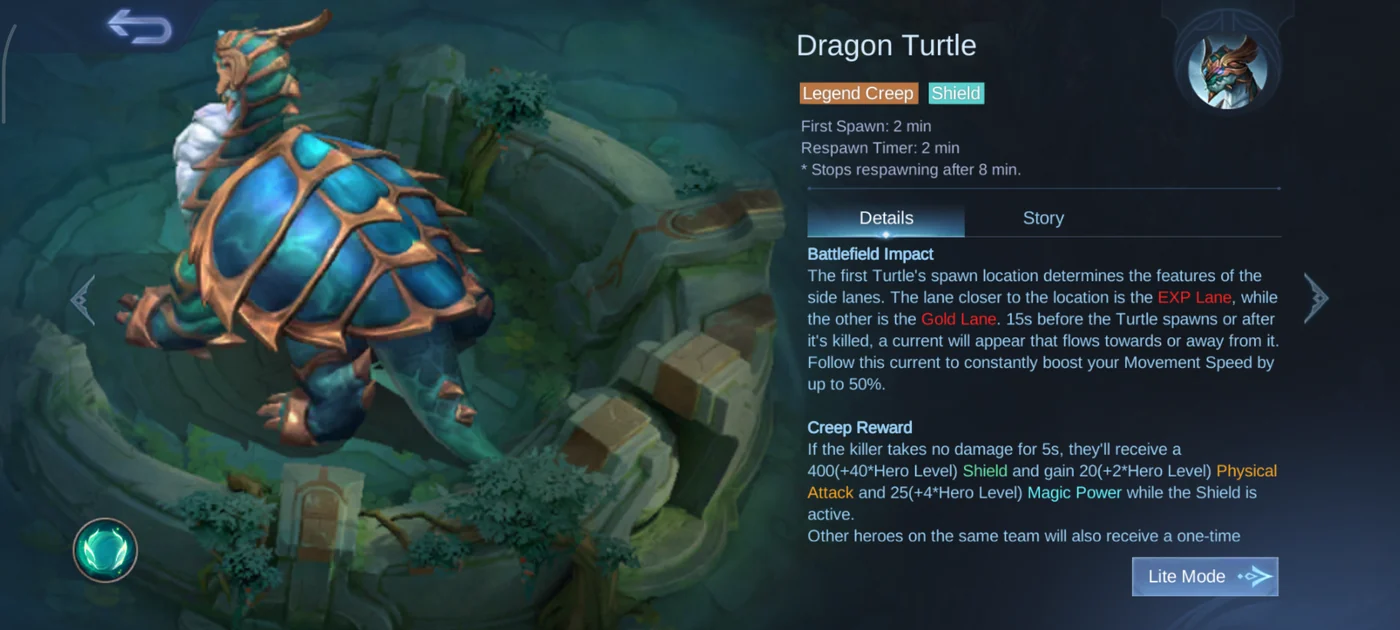
Before Turtle
Fix the nearby side wave, keep jungle route clean, and arrive 10 to 15 seconds early. If your team is late, trade instead of walking into river one by one.
Before Lord
Push mid and at least one side wave before touching Lord. Starting Lord with bad waves gives the enemy time to collapse or split push.
After winning a fight
Ask what objective can be taken in the next 10 seconds: turret, Lord, Turtle, jungle camp, wave crash or safe reset.
Teamfight Rules That Win Ranked Games
Most teamfights are decided before anyone presses the big ultimate. The carry stands too far forward, the roam starts when the damage dealer is clearing a wave, the jungler uses Retribution early, or the EXP laner enters from the front instead of flanking. A good fight starts with formation: front line checks space, damage dealers stay within follow-up range, and the team knows whether the goal is pickoff, peel, burst, zone or objective secure.
| Fight type | How to play it | Who matters most | Common throw |
|---|---|---|---|
| Pickoff | Hide information, punish an isolated target, then convert immediately. | Roam, assassin jungle, burst mage. | Getting the kill but not taking turret, Lord or jungle. |
| Front-to-back | Protect damage dealers while tanks and fighters absorb the first engage. | Gold lane, front line, peel support. | Carry steps past front line and dies before dealing damage. |
| Objective fight | Control entrances, hold burst skills, and track enemy jungler position. | Jungler, roam, mid control mage. | Starting Turtle or Lord while waves and vision are bad. |
| Defense fight | Clear wave first, keep base structure alive, and wait for enemy overcommit. | Wave clear mage, marksman, durable front line. | Leaving base alone to check dark jungle. |
Common Rank Mistakes and How to Fix Them
Ranked mistakes repeat because they feel good in the moment. Chasing feels active. Picking a flashy hero feels confident. Queueing one more after a loss feels like control. Climbing improves when you replace those emotional habits with rules you can repeat even in a bad lobby.
Mistake: changing heroes every loss
Fix it by reviewing whether the loss came from hero limits, draft error or decision error. If you died before every objective, a new hero will not solve the habit.
Mistake: fighting with no wave
Fix it by checking mid and side waves before starting Lord, invading jungle or chasing. A won fight with losing waves may still lose map control.
Mistake: ignoring item counters
Fix it by identifying the enemy damage and sustain source before your third major item. Defensive and anti-heal choices often decide mid game.
Mistake: queueing tilted
Fix it by setting a stop rule before playing. If you are blaming every teammate before draft even starts, the next game is already lower quality.
How to Handle a Losing Streak
A losing streak is not always proof that your hero pool is wrong. Sometimes you are tired, forcing fights, picking too many roles, or playing at a time when your focus is poor. The important part is to stop the streak from changing your decision standards. Ranked should be played when you can still draft clearly and review mistakes honestly.
After one loss
Check one mistake only: draft, lane death, objective setup or late-game throw. Do not rewrite your entire hero pool after one match.
After two losses
Take a short break, switch to classic, or review the first five minutes. Most players start over-forcing here.
After three losses
Stop ranked for that session unless you are calm enough to play your normal picks. Protecting stars also means protecting your focus.

Related MLBB Guides
Use these guides to turn the climb framework into specific picks, routes and builds.
MLBB Ranked Climb FAQ
What is the fastest way to climb ranked in MLBB?
The fastest reliable way is to narrow your hero pool, main two roles, and improve objective conversion. Winning lane is useful, but ranked climbs faster when kills become Turtle, Lord, turrets or jungle denial instead of random chasing.
Which role is best for solo queue climb?
Jungle and Roam influence the whole map early, while Gold Lane can carry late fights if protected. The best role is the one you can play consistently. If you tilt from carrying objective pressure, choose Gold or Mid. If you like calling tempo, Jungle or Roam is stronger.
Should I copy meta heroes every patch?
Use meta information as a filter, not a command. A meta hero you barely understand is often worse than a stable hero you can draft, build and position correctly. Add new heroes in classic or practice first, then bring them into ranked once your timing is reliable.
How many heroes should I use for ranked?
For most players, three to five serious ranked heroes are enough at one time. Keep a main role pool, one backup role, and one emergency pick. This is small enough to build habits but flexible enough for bans and draft conflicts.
How do I stop losing streaks in MLBB?
Set a stop rule before queueing. After two emotional losses, take a break or review the first five minutes of each game. If the problem is draft panic, role conflict or tilt, continuing ranked usually repeats the same mistakes.
Do skins or Diamonds help me climb?
No. Skins and Diamonds do not replace map awareness, hero mastery or draft discipline. If you top up for MLBB, treat it as spending for heroes, skins or events you enjoy, not as a shortcut to rank.
Summary
MLBB ranked climbing becomes more consistent when every decision has a job. Pick heroes that fit your role and draft, clear waves before rotating, arrive early to Turtle and Lord, convert kills into map resources, adapt items to the enemy, and stop queueing when your focus drops. You do not need to win every lane or carry every fight. You need a repeatable system that turns more average games into controlled wins.





Copyright © FUTURE OUTLOOK TECHNOLOGY LIMITED.Company Registration No.: 77374965 All rights reserved.UNIT 135,1/F.,143 WAI YIP STREET,KWUN TONG HK