
HSR Trace Priority Guide: What To Level First By Role

Quick answer: Level the part of the kit that creates the character's role first. A carry needs the damage engine, a support needs the buff or debuff tool, a sustain needs the survival tool, and a mechanic-based unit needs the trace that makes the mechanic work.
Current-use note
Trace value depends on the character kit. Check the live character screen and current kit wording before spending rare materials on final levels.
Traces are one of the most reliable ways to strengthen a Honkai: Star Rail character. Unlike relics, trace upgrades are predictable. You spend materials and get a known improvement. That makes trace priority especially important during account progression, because the right trace can change a team's stability faster than another day of random relic farming.
The best trace order is not the same for every character. You need to identify the role engine. A damage dealer wants the ability that creates most of the damage. A Harmony support wants the buff strength, uptime, or energy tool. A Nihility support wants debuff reliability. A sustain wants healing, shielding, mitigation, cleanse, or emergency protection. Break, DoT, and follow-up units want the mechanic that makes their archetype work.
Role-Based Trace Priority
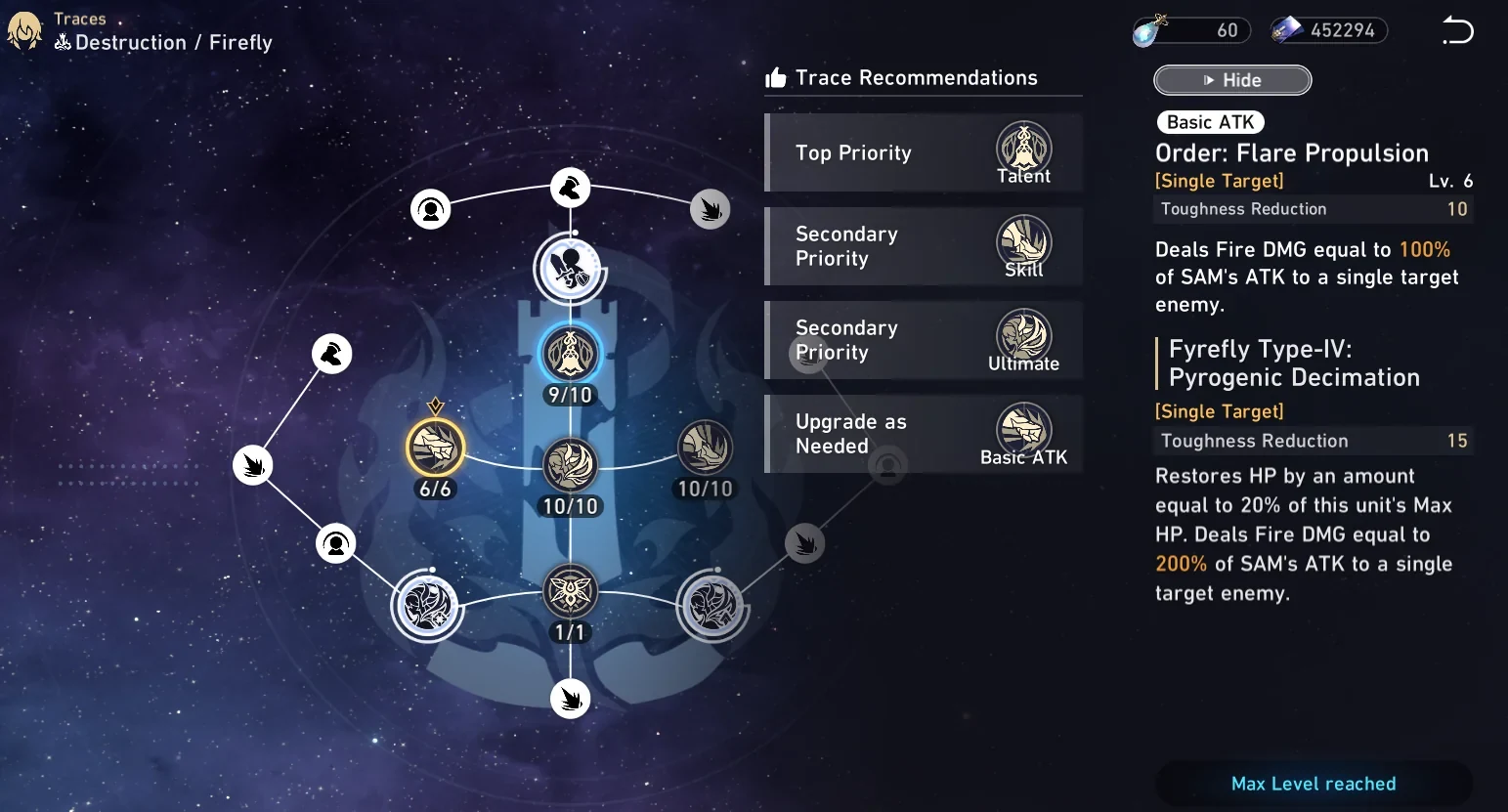
| Role | Usually Level First | Usually Delay | Reason |
|---|---|---|---|
| Main DPS | The Skill, Talent, or Ultimate that drives damage. | Basic ATK unless the kit uses it. | Damage scaling is the role's main job. |
| Harmony support | Buff uptime, buff strength, energy, action advance, or key major traces. | Personal damage traces. | Team damage beats support damage. |
| Nihility support | Debuffs, DoT application, vulnerability, defense reduction, or effect hit rate tools. | Low-impact attacks. | Reliability matters more than small personal damage. |
| Sustain | Heal, shield, mitigation, cleanse, revive, or emergency tools. | Damage nodes. | A dead team deals no damage. |
| Break, DoT, or FUA core | Mechanic trigger and scaling traces. | Off-plan utility. | The team needs its engine online. |
Major Traces Before Luxury Levels
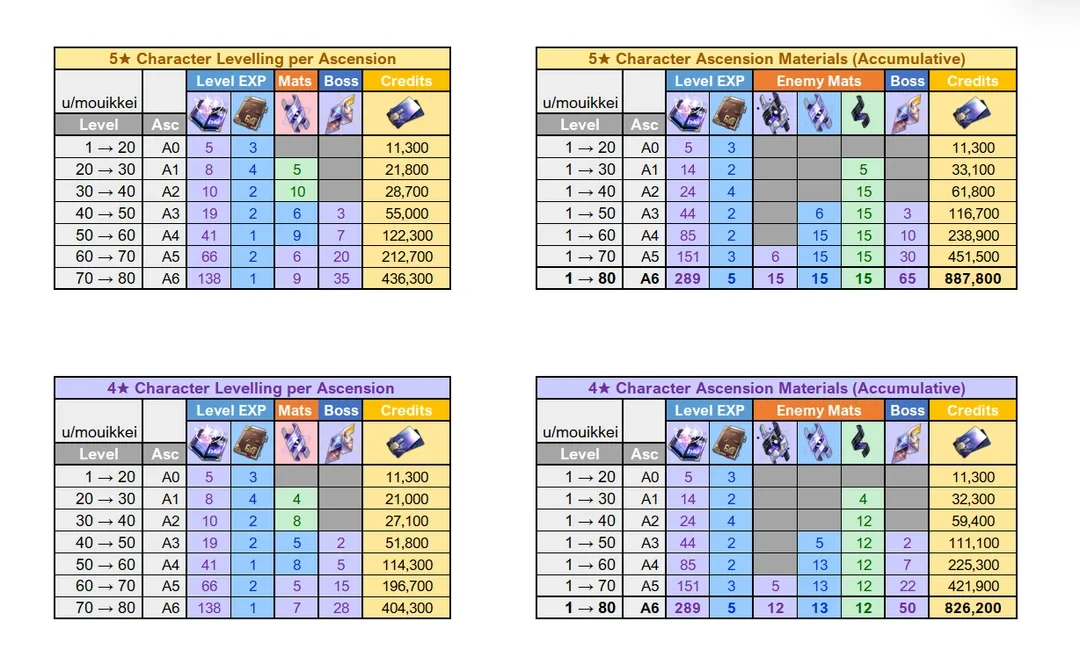
Major traces can change how a character plays. They may add energy, extend a buff, improve debuff consistency, unlock extra damage, add break value, reduce skill point pressure, or make a sustain more reliable. If a major trace changes the rotation or solves a team problem, unlock it before pushing small percentage upgrades.
Minor stat nodes are still useful, but they should support the role. A speed node can be valuable on a support. Effect hit rate can matter for debuffers. Defensive nodes can keep a sustain alive. Damage nodes are useful for a carry. The priority changes when the stat directly helps the character do the job.
Luxury levels are the final stretch. The cost rises, and the improvement may be smaller than another character's key trace. Before maxing one ability, compare the cost with the benefit of bringing a second team member to a functional level.
Do Not Level Everything Evenly
Even leveling feels tidy, but it is rarely efficient. A support that barely attacks does not need Basic ATK investment equal to the buff skill. A sustain should not delay healing or shielding upgrades to improve a low-impact damage trace. A carry may not need every ability equally if one part of the kit creates most of the damage.
Read the kit and ask what happens during a real turn. Which button is used most often? Which trace affects the ultimate? Which trace improves the team's damage window? Which trace is only used when skill points are low? Trace priority should follow actual combat behavior, not the order of icons on the screen.
There are exceptions. Some characters use Basic ATK as a core part of damage, energy, skill point economy, or enhanced attack loops. For those characters, Basic ATK can be important. The rule is not that Basic ATK is always bad. The rule is that the trace must match the kit's real job.
Main DPS Trace Order
For a main DPS, start with the damage source that appears most often in the rotation or contributes the largest share of output. That might be Skill, Ultimate, Talent, follow-up trigger, enhanced Basic ATK, or Break scaling. If the kit has a clear damage engine, level that first.
After the main engine, unlock major traces that improve damage conditions, energy, weakness break, crit value, or turn flow. Then bring supporting abilities to a functional level. Basic ATK can often wait unless the character's kit uses it directly. The final levels should wait until the team, relics, and Light Cone justify the cost.
Damage dealers also need enough investment around them. A carry with high traces but weak supports may underperform. Sometimes the next best trace upgrade is not on the DPS at all; it is on the Harmony or Nihility unit that raises the carry's ceiling.
Support And Debuffer Trace Order
Harmony supports should prioritize the trace that improves team damage, speed, action flow, energy, or buff uptime. Personal damage is usually secondary. If a trace makes the buff last longer or lets the team reach a cleaner rotation, it can be more valuable than a small attack upgrade.
Nihility supports need reliability. Debuffs that miss are not part of a plan. Prioritize application chance, effect hit rate support, vulnerability, defense reduction, DoT application, or any trace that helps the debuff stay active when the team needs it. Personal damage traces matter more for DoT units than for pure debuff supports, but reliability still comes first.
Supports often become account-wide value. A strong universal support can move between teams and improve several carries. That makes key support traces a good investment when the unit is used across multiple modes.
Sustain Trace Order
Sustain characters should keep the team alive first. Prioritize healing, shielding, mitigation, cleanse, revive, emergency protection, or any trace that prevents a run from collapsing. Damage traces can wait unless the sustain's kit specifically uses damage to trigger survival or utility.
A sustain does not always need maximum trace levels to be successful. The stopping point is practical: does the team survive the content you are clearing? If yes, another small survival upgrade may be less valuable than improving the carry or support. If the team still dies, sustain traces are high priority.
Cleanse and emergency tools deserve special attention. In difficult fights, a cleanse or recovery trace can matter more than raw healing. If a major trace changes how the sustain handles debuffs or burst damage, unlock it early.
Break, DoT, And Follow-Up Traces
Mechanic-based characters need the mechanic online. Break units want the trace that improves Break damage, weakness break pressure, Super Break interaction, or turn control. DoT units want application, detonation, duration, and scaling. Follow-up units want the trigger, frequency, and damage conditions that create extra attacks.
These teams can look weak when the engine trace is underleveled. A Break unit without enough mechanic investment may feel like a normal attacker. A DoT unit without application reliability may lose damage windows. A follow-up unit without trigger consistency may not attack often enough. Level the engine before polishing unrelated parts.
Trace Material Planning
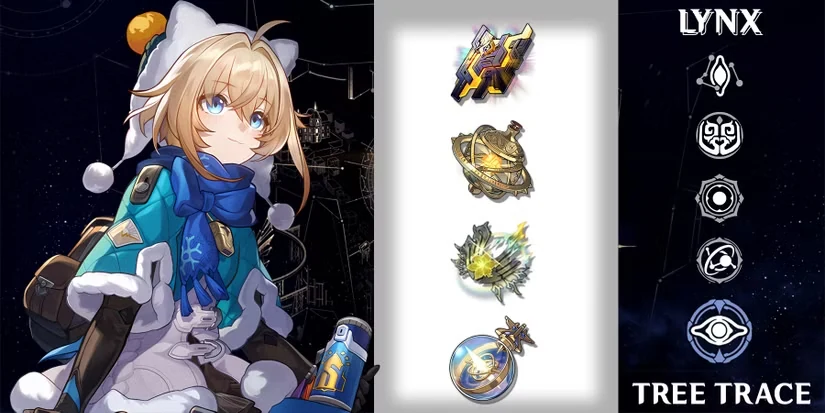
Trace materials compete with new characters, Light Cones, ascension, and Credits. Before pulling a new unit, check whether you can actually build it. A character is not finished when the banner result appears. The real account cost includes traces, level materials, Light Cone investment, relics, and team support.
A practical plan is to choose one main team, finish the role-defining traces, then move to the second team. Do not max every trace on the first character while the rest of the lineup is missing basic upgrades. Balanced functional teams clear more content than one overbuilt unit surrounded by unfinished supports.
When materials are tight, set stopping points. Bring important traces to a useful level, unlock major traces, and delay luxury levels until the account has enough depth. This keeps new banner excitement from draining every rare material at once.
| Planning Step | What To Check |
|---|---|
| Role engine | Which trace creates the character's main job? |
| Major traces | Which unlocks change rotation, uptime, survival, or reliability? |
| Material cost | Does the next level consume rare materials needed by another core unit? |
| Team impact | Would upgrading a support or sustain improve the team more? |
| Stopping point | Can the character already clear the content you are targeting? |
Trace Stop Points For Smarter Materials
The smartest trace plan includes where to stop. Maxing everything is expensive and often unnecessary. A carry may deserve final levels if it is a long-term main damage dealer. A flexible support may deserve high investment because it helps multiple teams. A niche unit may only need enough levels to perform a specific job.
Ask whether the next trace level changes a breakpoint or only adds a small percentage. If the upgrade improves a key rotation, reaches a survival threshold, or raises a main damage skill on a core carry, it may be worth the cost. If it is a low-impact attack on a support, save the materials.
Common Trace Mistakes
The first mistake is leveling every trace evenly. The second is ignoring major traces while pushing active traces higher. The third is maxing a new character before checking whether the team around it is ready. The fourth is spending rare materials on a unit you are testing but may not keep using.
Avoid those mistakes by building from the role outward. Identify the job, level the engine, unlock the major traces, stop at a functional point, and revisit luxury levels after the team proves it is worth long-term investment.
New Character Trace Route
When you pull a new character, resist the urge to spend every material immediately. First, unlock the ascension and major traces that let the kit function. Second, level the main role trace enough to test the unit in real teams. Third, bring the supporting traces to a functional level. Only after the team feels worth keeping should you push final luxury levels.
This route protects materials if the character does not fit your roster as expected. A unit can look exciting on the banner screen and still feel awkward if your account lacks the right teammates, speed tuning, relics, or sustain. Functional testing before maxing traces gives you room to adjust.
For long-term favorites, higher trace investment is easier to justify. If the character will anchor multiple teams or modes, pushing final levels can be worth the cost. If the character is a temporary solution for one mode, stop earlier and preserve materials for flexible supports or future pulls.
Two-Team Trace Priority
Many HSR modes eventually ask for two teams. At that point, trace planning changes. One overbuilt team and one weak team may fail where two functional teams would succeed. Bring each team's carry, support, and sustain to a usable trace level before maxing the final levels on one unit.
A good two-team approach is to finish the first team's essential traces, then repeat the same process for the second team. After both teams are stable, return to luxury upgrades. This makes account progress smoother and prevents one team from consuming all high-rarity materials.
More HSR Guides For Your Next Step
Use these guides to check banner timing, build priorities, resource farming, and pull value before spending Stellar Jade or paid currency.

FAQ
What trace should I level first on a new character?
Find the role engine. For many carries it is Skill, Talent, or Ultimate. For supports it is the buff or debuff tool. For sustains it is the survival tool.
Should Basic ATK stay low?
Often yes, but not always. If the character uses Basic ATK as a core damage, energy, or enhanced attack tool, it can be important.
Are traces better than relics?
Early on, many trace upgrades are more reliable because they are predictable. Relics become the long-term random optimization layer.
Should I max all traces?
Not immediately. Max the traces that belong to long-term core units, and stop lower on low-impact or temporary traces.
How do traces affect pull value?
A new character also needs materials and time. If you cannot build the unit, the banner result may not improve the account right away.




Copyright © FUTURE OUTLOOK TECHNOLOGY LIMITED.Company Registration No.: 77374965 All rights reserved.UNIT 135,1/F.,143 WAI YIP STREET,KWUN TONG HK