
Best Free Fire Pets: Skills, Pairings and Role Guide

Free Fire has enough pets that choosing one from the full roster can feel harder than building the rest of your preset. The useful question is not which pet sits at the top of a universal tier list. It is which pet solves a problem you run into every match. A BR player who needs safer rotations has a different answer from a Clash Squad player who wants more value from grenades, Gloo Walls or a short active-skill cooldown.
This guide compares all 23 pets covered in ManaBuy's individual guides, then narrows them by mode, trigger and build role. Use the shortlist to choose a starting point, and open the linked pet guide when you need the exact play pattern, character pairing and mistakes to avoid.
Start with Rockie if your build depends on an active skill, Beaston if throwables start your fights, Dreki if you chase damaged enemies, Ottero if healing is already part of your loop, or Mr. Waggor if Gloo Wall supply is the repeated problem. For BR drops, Falco is the specialist choice. Test one pet with the same character preset before spending Diamonds.
How Pet Skills Fit a Free Fire Build
A pet adds one utility skill beside your character setup. It does not replace the active character skill or any of the three passive character slots. That separation matters: the pet should cover a gap, improve an action you already repeat, or make the timing of your main plan more reliable.
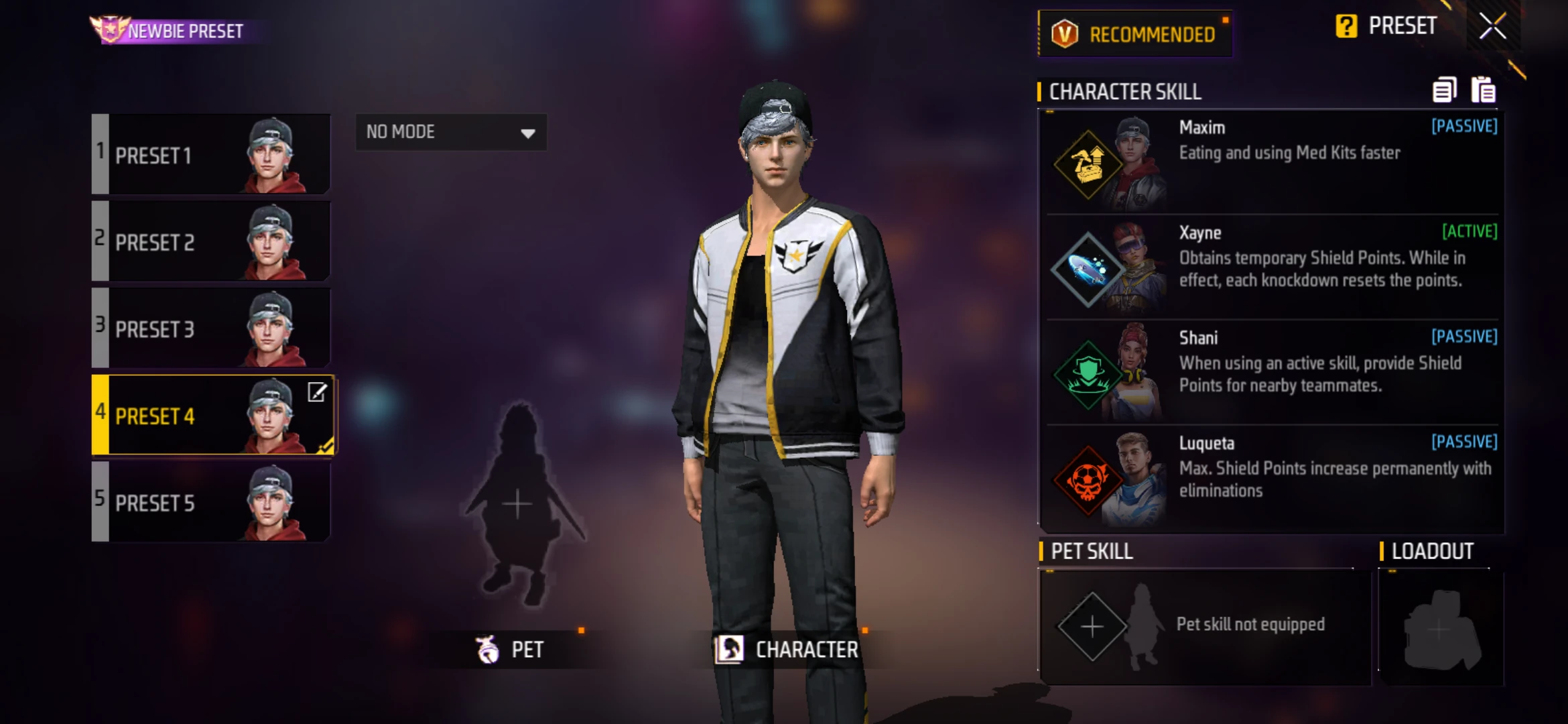
The preset screen keeps the pet skill separate from the four character skill slots.
Before choosing a pet, answer four questions:
- What triggers the skill? A useful effect still fails if the trigger rarely occurs in your matches.
- How quickly does it matter? Clash Squad favors immediate round value, while BR gives resource and route skills more time to work.
- Does your character build already cover that job? Extra sustain can be wasteful when information, movement or cover economy is the real weakness.
- Can you notice the result? A repeatable smaller benefit is usually more valuable than a perfect scenario that happens once in ten games.
Best Free Fire Pets by Player Need
These are role-based starting picks rather than a permanent tier list. Pet values, cooldowns and availability can change with balance updates, so confirm the live description in your client before buying.
Swipe horizontally to compare →
| Your repeated problem | Good starting pet | Why it fits | Check before choosing |
|---|---|---|---|
| Your active skill is unavailable when the next fight starts | Rockie | Supports builds whose main timing depends on an active-skill cooldown. | Rockie has little value when the preset uses no active skill. |
| Grenades and utility fall short of the position you want to clear | Beaston | Extends throwable reach for entry pressure and cover clearing. | You must already use throwables with purpose. |
| Damaged enemies escape to heal behind cover | Dreki | Turns an enemy healing action into chase information. | The information matters only if you can act on it safely. |
| You heal often and want more value from that recovery | Ottero | Adds EP recovery to supported healing actions. | Low healing frequency makes the trigger inconsistent. |
| You regularly run out of Gloo Walls | Mr. Waggor | Supports Gloo Wall economy across the match. | Its value depends on current inventory conditions and skill wording. |
| Your squad loses the first landing race in BR | Falco | Specializes in getting you to the ground sooner. | Landing speed does not solve mid-game fighting mistakes. |
| You need more space for ammo, healing or utility | Night Panther | Adds inventory capacity for a wider loot plan. | Extra capacity helps only when your pickup priorities are disciplined. |
Best Pets for Battle Royale
BR gives utility more time to compound. The best pick depends on whether your matches are usually lost during the drop, rotation, resource management or the final zones.
For an aggressive drop: Falco
Choose Falco when reaching a roof, weapon spawn or vehicle first is part of a practiced landing route. The pet is strongest when the squad agrees on the same drop plan.
Do not keep it by habit if your losses happen after the landing phase.For EP routes: Shiba or Agent Hop
Shiba helps a player who deliberately routes through mushroom locations, while Agent Hop fits safe-zone movement that naturally creates its trigger.
Both choices need a planned route; random movement wastes their value.For longer sustain: Kactus or Ottero
Kactus rewards safe stationary windows. Ottero fits players who already reset with supported healing items. Pick the trigger that actually appears in your play.
Neither is a substitute for breaking line of sight before healing.For information: Arvon or Hoot
Use information pets when the squad can change a push or rotation after learning more. Arvon helps judge nearby numbers; Hoot strengthens scan-based information.
Information is wasted when the team pushes before sharing it.For loot capacity: Night Panther
Night Panther is a practical pick when a support player carries extra ammo, Gloo Walls or healing. Decide the extra items before the match so the added space serves a role.
A bigger backpack is not a reason to keep low-value loot.For late-zone cover: Mr. Waggor or Robo
Mr. Waggor helps with cover supply, while Robo improves deployed Gloo Wall utility. Choose economy when the shortage starts before the fight; choose reinforcement when placed cover is the focus.
Always confirm the current live trigger and values.Best Pets for Clash Squad
Clash Squad compresses the decision. There is little time for long-match value to develop, and every purchase round asks whether a pet can help with first contact, a trade, cover or the next active-skill window.
- Active-skill builds: Rockie is the cleanest starting point when the active skill controls your push or reset timing. If the preset is passive-only, choose another role.
- Grenade entry: Beaston fits players who open rounds with grenades or use utility to force enemies out of cover.
- Chasing a wounded enemy: Dreki can turn healing behind cover into a timing cue. Do not chase through a bad crossfire just because the target is revealed.
- Gloo Wall fights: Robo supports deployed cover, while Mr. Waggor addresses supply. Their round value depends on the current skill conditions.
- Trade recovery: Detective Panda rewards confirmed eliminations, while Ottero rewards a healing loop. Pick the trigger you can repeat without forcing it.
Browse All 23 Free Fire Pet Guides by Role
Use this directory when you already know the job you want the pet to perform. Every card links to a dedicated guide with deeper trigger logic, mode fit, pairings and common mistakes.
Sustain, Healing and EP
6 guidesUse these when recovery triggers repeatedly in your normal BR or CS fights.
 Agent HopBuild EP as safe-zone pressure changes.Read guide →
 Detective PandaTurn confirmed eliminations into immediate HP.Read guide →
 FangSupport recovery when a teammate is knocked.Read guide →
 KactusGenerate EP during deliberate stationary windows.Read guide →
 OtteroConvert Heal Pistol or Med Kit recovery into EP.Read guide →
 Spirit FoxIncrease the value of Med Kit healing.Read guide →
Intel, Tracking and Anti-Scan
5 guidesPick these when information changes your route, push timing or ability to stay hidden.
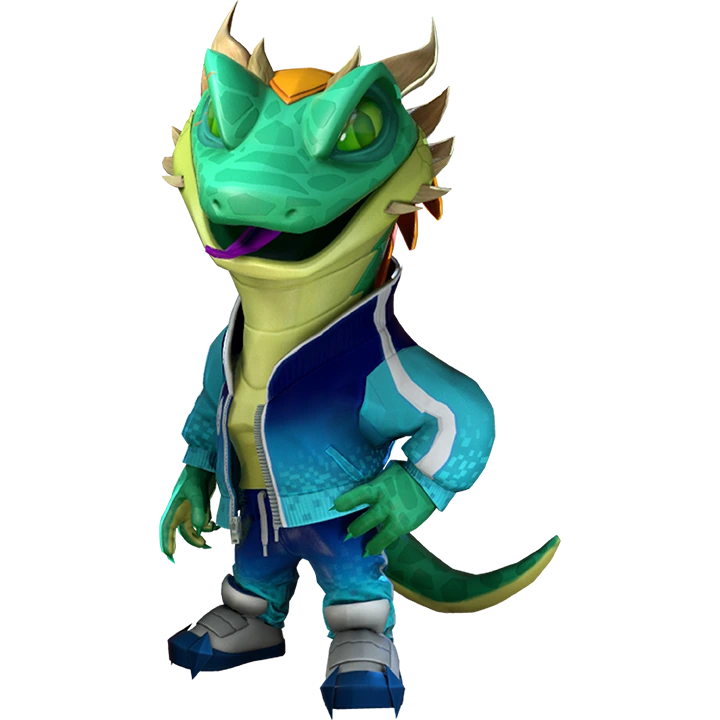 ArvonCheck nearby enemy numbers before committing.Read guide →
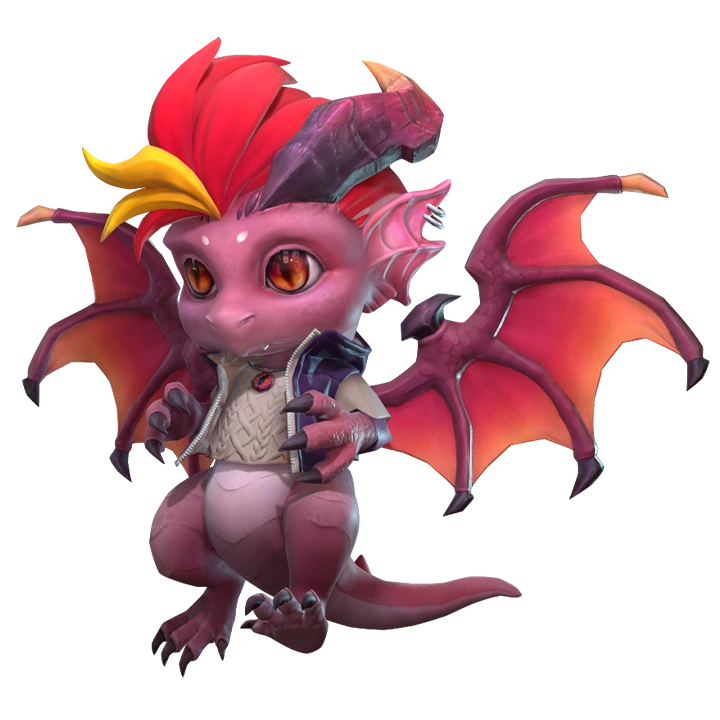 DrekiReveal nearby enemies while they are healing.Read guide →
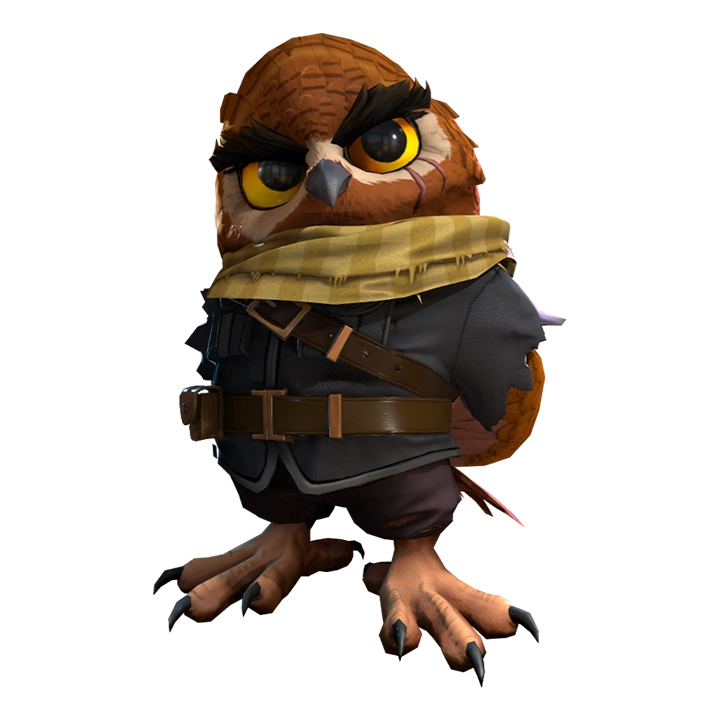 HootImprove the reach and duration of scan information.Read guide →
 Sensei TigReduce the time enemy skills keep you marked.Read guide →
 ShibaLocate mushrooms for BR EP routes.Read guide →
Gloo Wall and Defensive Utility
5 guidesUse these for cover economy, damage reduction or vulnerable interaction windows.
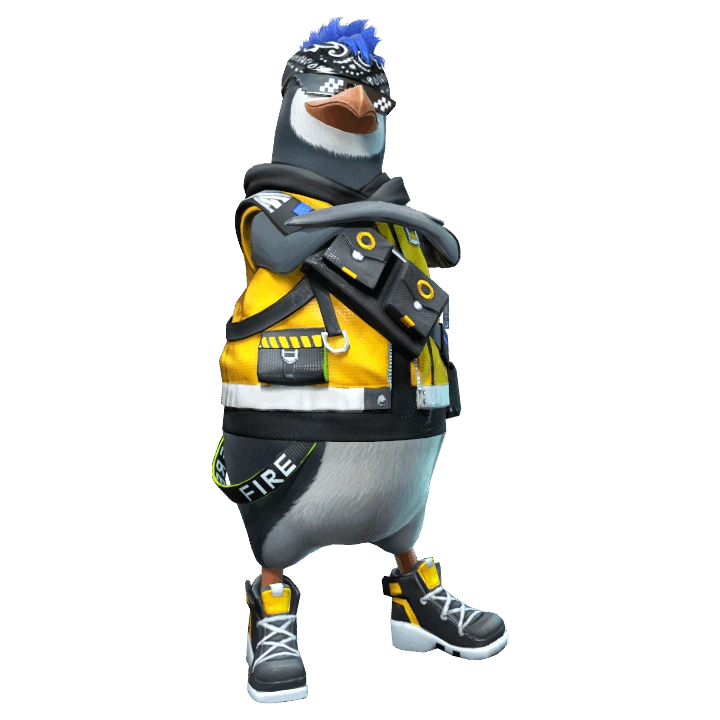 Mr. Waggor
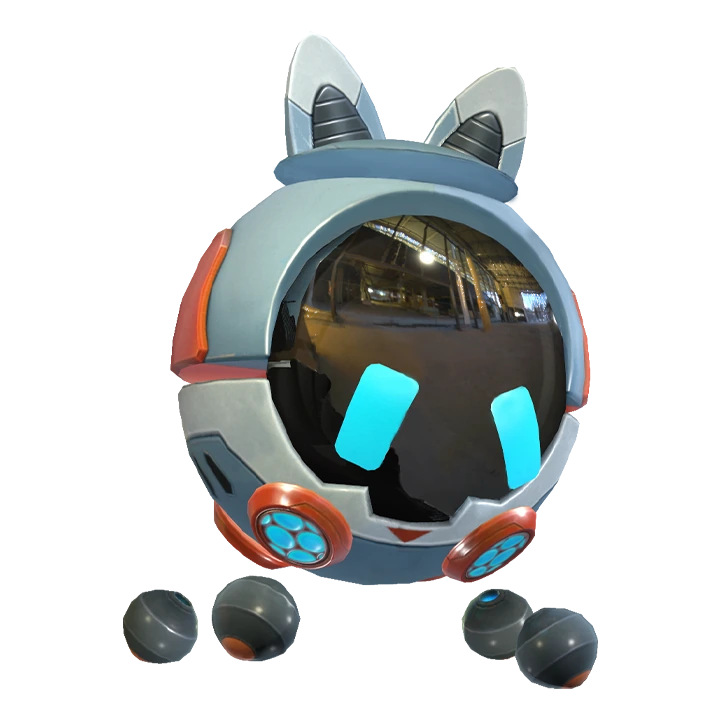 Robo
 Flash
 Moony
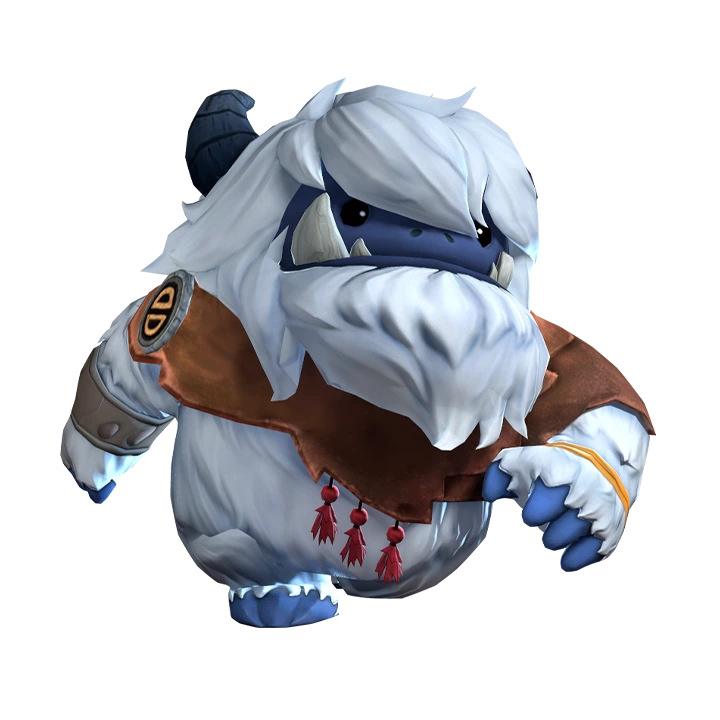 Yeti
Landing, Movement and Rush Setup
4 guidesChoose these when your plan depends on the drop, crouch movement, throwables or cleanup tempo.
 Falco
 Dr. Beanie
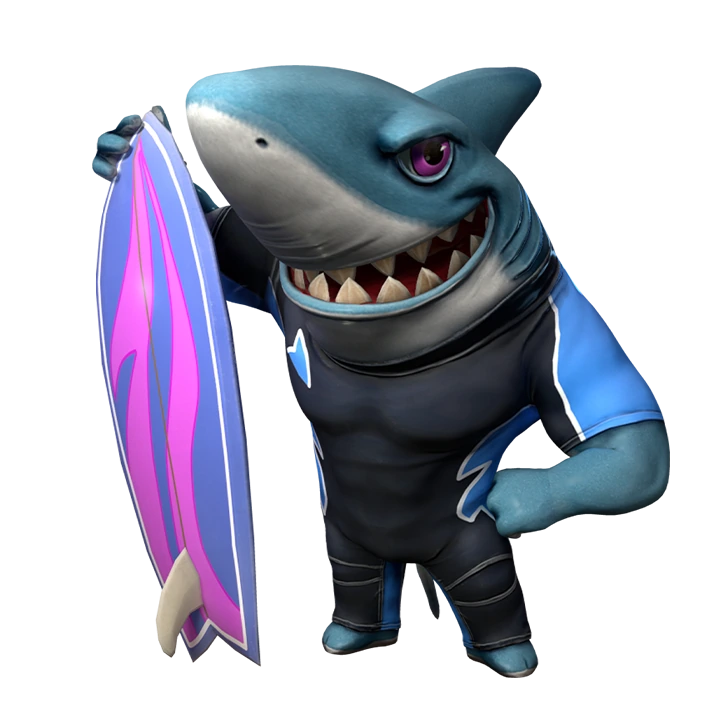 Finn
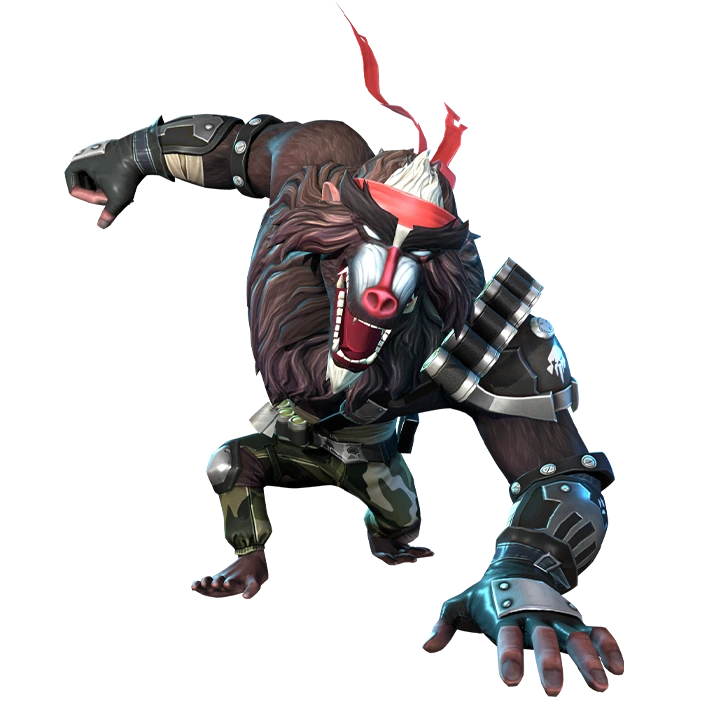 Beaston
Backpack, Cooldown and Consumables
3 guidesUse these for loadout capacity, active-skill frequency or extra consumable value.
 Night Panther
 Rockie
 Zasil
How to Pair a Pet with Character Skills
Build the character preset first, then use the pet to strengthen its main loop or cover a missing function. A pet should make the build easier to execute; it should not ask you to play a second, unrelated plan.
- Cooldown-dependent active skills: Pair Rockie with an active-skill build only when an earlier next use changes real fights.
- Healing and reset builds: Ottero, Spirit Fox and Detective Panda reward different recovery triggers. Choose the one that matches how you recover, not the one with the broadest reputation.
- Entry and utility builds: Beaston works when throwables are already part of your entry. Dreki works when the team can collapse on healing enemies.
- Anti-information routes: Sensei Tig fits a player whose movement plan is often disrupted by enemy marking skills.
- Squad support: Fang and inventory or cover pets can support the team, but only when your squad roles are clear.
If your character skills already provide enough healing, use the pet slot for information, cover, cooldown or inventory. If the character build already finds enemies, a sustain or defensive pet may fix more of your losses. The Free Fire skill-combo guide explains how to assemble the character side of the preset.
Ottero Example: Judge the Trigger, Not the Name
Ottero is a useful example because its value is easy to misunderstand. Double Blubber is tied to supported healing actions, so the pet does not create value simply by being equipped. It becomes useful when you regularly use a Heal Pistol or Med Kit and have enough time after the reset for the added EP to matter.
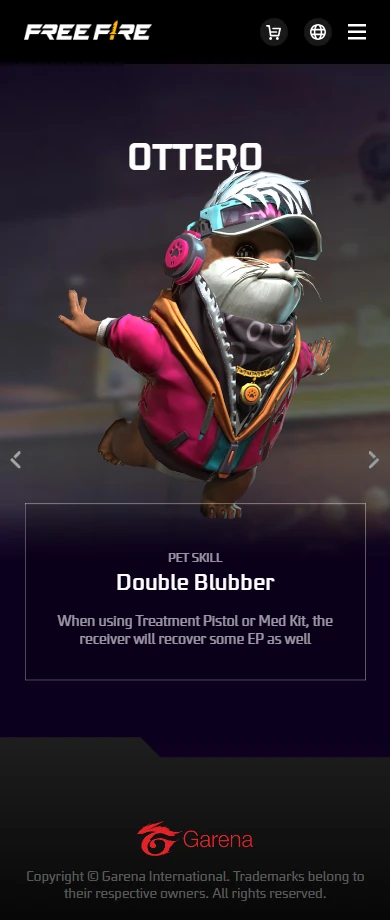
Garena's Ottero page shows the healing trigger behind Double Blubber. Check the live client for the current percentage and wording.
That same method works for every pet: identify the exact trigger, count how often it affects a decision, and remove the pet if you are changing your behavior only to force the skill to activate.
Which Pet Should You Unlock First?
- 1Name your main mode and repeated loss
Write one problem such as “my active skill is late,” “I run out of Gloo Walls,” or “damaged enemies reset behind cover.”
- 2Choose a trigger you already perform
Healing, throwing utility, using an active skill and placing Gloo Walls are measurable actions. Avoid a pet that needs you to invent a new playstyle immediately.
- 3Check pets you already own
A free or owned pet that solves most of the problem is a better first test than an immediate Diamond purchase.
- 4Run five BR matches or ten CS rounds
Keep the same character preset and record when the pet changed a fight, route or resource decision.
- 5Verify the live price and skill text
Pet availability, values and store offers can change. Treat the current game client as the final check before spending.

If you still need Diamonds after testing the role, confirm the amount in your account and buy only the balance you need.
Common Pet-Pick Mistakes
- Copying a tier list without checking whether it targets BR, Clash Squad, solo or squad play.
- Choosing Rockie for a preset that does not use an active skill.
- Equipping a healing pet while rarely using its exact healing trigger.
- Stacking several sustain effects while leaving information, movement or cover unsupported.
- Judging a pet from one highlight instead of repeated rounds.
- Buying from an old screenshot without checking the live description, price and availability.
Free Fire Pets FAQ
What is the best Free Fire pet?
There is no single best pet for every preset. Rockie is a strong starting pick for active-skill timing, Beaston for throwable use, Dreki for chasing healing enemies, Ottero for supported healing loops, and Mr. Waggor for Gloo Wall economy. The best choice is the trigger you repeat in your main mode.
Which pet is best for Clash Squad?
Start with a pet that produces immediate round value. Rockie fits active-skill builds, Beaston fits grenade entry, Dreki fits chase pressure, and Robo or Mr. Waggor can support Gloo Wall play. Your preset and purchase-round habits decide the final pick.
Which pet is best for Battle Royale?
Falco is the specialist for a practiced landing plan. Shiba or Agent Hop can support EP routes, Night Panther adds inventory capacity, and information or sustain pets become useful when their triggers repeat during longer matches.
Is Rockie useful without an active character skill?
No. Rockie's role depends on an equipped active skill. A passive-only preset should use the pet slot for another job such as healing, information, cover, throwables or inventory.
Are pet skills separate from character skills?
Yes. The current preset layout shows the pet skill in its own slot beside the one-active and three-passive character setup.
Should I spend Diamonds on a pet before testing it?
Check owned and free options first, then test the role with one unchanged preset. If you still want the pet, verify its current skill text, price and availability in your live client before topping up.
Related Free Fire Guides
Final Pick
Choose the pet whose trigger appears in your real matches, then judge it with the same character preset over several rounds. A reliable role fit will help more than a famous pet whose skill never changes your decisions.



Copyright © FUTURE OUTLOOK TECHNOLOGY LIMITED.Company Registration No.: 77374965 All rights reserved.UNIT 135,1/F.,143 WAI YIP STREET,KWUN TONG HK