
Free Fire Characters and Pets Meta Guide 2026: Roles, Combos and Ranked Pairings

The Free Fire meta is not a fixed list of names. It is a set of role decisions that changes with mode, squad style, map position, weapon range and event updates. A character that is excellent for Gloo Wall pressure may be wasteful in a passive squad. A pet that helps sustain may not matter if your team loses every first trade.
This Free Fire characters and pets meta guide for 2026 focuses on role-first thinking. Use it to choose a main job, select an active skill, add passive support, then match a pet that helps the same timing window.
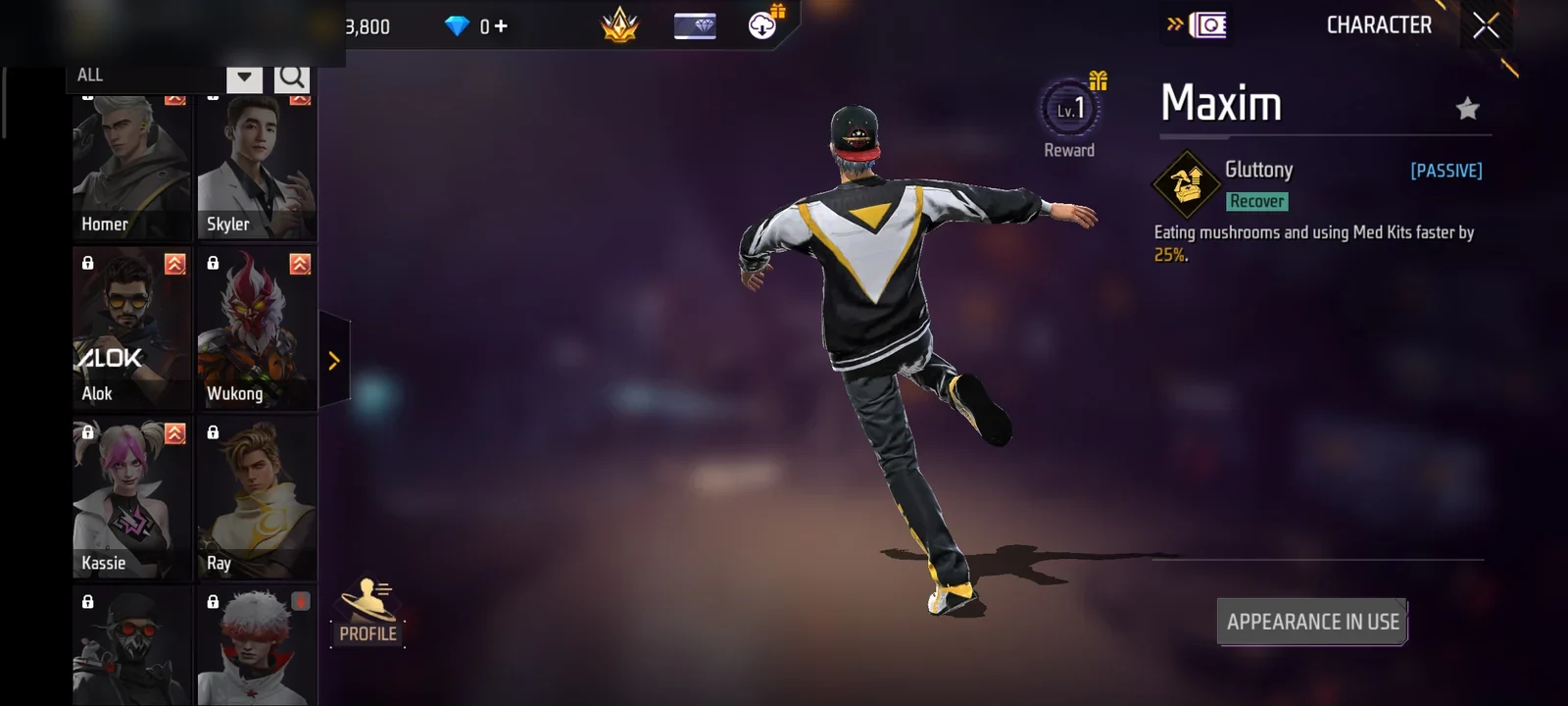
How the Free Fire Character and Pet Meta Works
Meta means reliable value under common match conditions. In ranked Battle Royale, that usually means survival, information, rotation, sustain and late-zone cover. In Clash Squad, it often means round economy, fast entry, Gloo Wall pressure, close-range trades and recovery between fights. The best setup is the one that turns your role into repeatable decisions.
| Meta role | Character job | Pet support idea |
|---|---|---|
| Entry rusher | Create first contact, break cover or close distance. | Sustain, movement follow-up or Gloo Wall support. |
| Wall pressure | Punish static cover and force movement. | Extra walls, durability support or utility timing. |
| Scanner/caller | Reveal enemies and guide team pushes. | Information extension or safety during ability use. |
| Sustain support | Keep the squad alive through longer fights. | Healing, EP or recovery value. |
| Rotator | Move safely between zones and fights. | Landing, inventory or survival support. |
Build Characters Around Jobs, Not Popularity
Popular characters are popular for a reason, but copying them without role clarity creates messy builds. Ask what the active slot does, what the passive skills add and what happens immediately after ability value appears. If the answer is unclear, simplify the build.
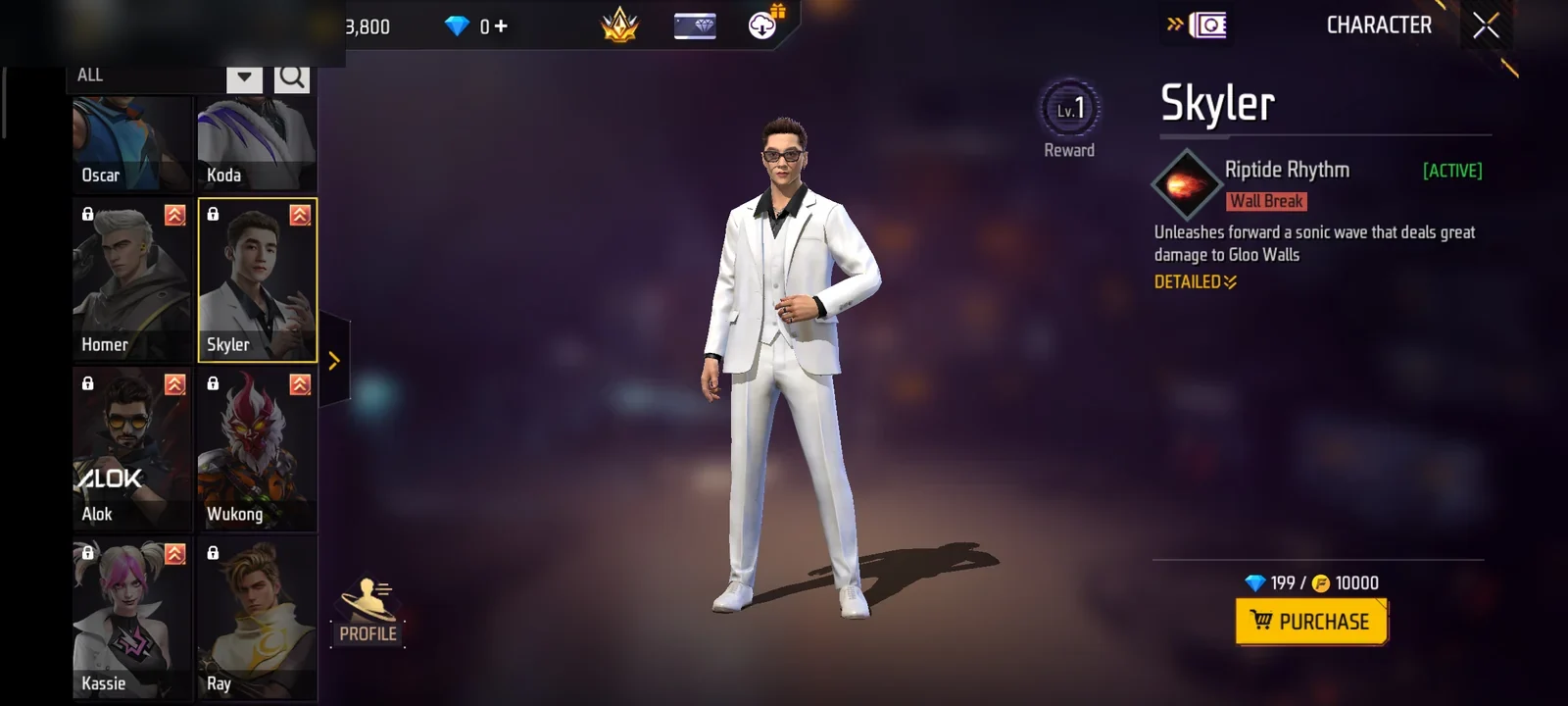
Active skill opens the fight, passive skills support range or recovery, pet helps the same timing.
Four strong names are combined, but the player still has no plan for entry, reset or rotation.
After a fight, ask whether the skill changed the decision. If not, the slot may be wasted.
Best Pet Pairing Logic for Ranked and Clash Squad
Pets are easiest to misuse because many bonuses sound helpful. A strong pet pairing supports the moment where your character already wants to act. Gloo Wall pets support wall-heavy players. Healing or EP pets support long fights. Scan or utility pets help teams that communicate and convert information.
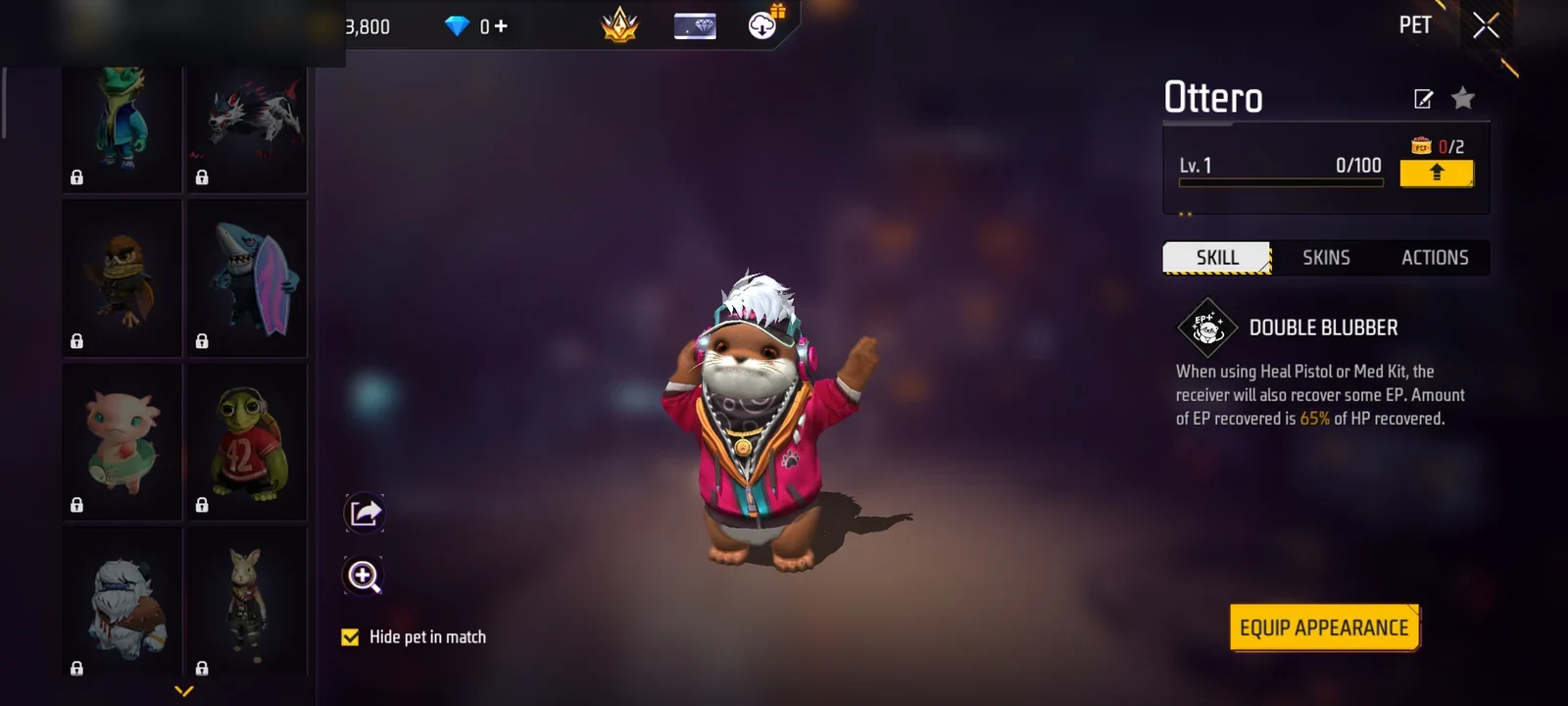
| Pet role | Best paired with | Why it works |
|---|---|---|
| Gloo Wall support | Wall pressure, defensive anchors and late-zone players. | Cover supply and durability matter when walls decide trades. |
| Healing or EP sustain | Support players, BR survival builds and long-fight teams. | Sustain helps only if the squad survives long enough to use it. |
| Information support | Scanners, callers and coordinated squads. | Information becomes value when teammates act quickly. |
| Mobility or landing support | Rotators and hot-drop teams. | Early position can decide whether the build reaches its strongest phase. |
| Inventory support | Utility-heavy BR players. | Extra space is useful when the player actually carries utility and heals. |
Ranked BR vs Clash Squad Meta Choices
Ranked BR and Clash Squad punish different mistakes. In BR, a perfect duel build can still fail if it cannot rotate, heal or survive zone pressure. In Clash Squad, a slow value build can lose before it activates. Keep separate presets if you play both modes seriously.
| Mode | Prioritize | Avoid |
|---|---|---|
| Ranked Battle Royale | Rotation, sustain, scan value, wall economy and late-game reset tools. | Pure duel builds with no survival plan. |
| Clash Squad | Entry timing, wall pressure, close-range trades and round economy. | Slow setups that need long rotations to matter. |
| Solo play | Self-sufficient sustain, movement and clean weapon habits. | Team-only information skills without a conversion plan. |
| Squads | Role split: entry, trader, support and caller. | Four players choosing the same job. |
Common Character and Pet Pairing Mistakes
Several useful effects can still fail when they trigger at different times.
A close-range character plan should not be paired with a passive long-range weapon habit.
Coordinated squad choices may not work in solo queue without voice calls or role discipline.
Character and Pet Pairing Playbooks
A good meta article should help players choose presets, not only list roles. Build one preset for aggressive rounds, one for safer ranked games and one for squad support. The active skill should decide the main action, passive skills should remove the biggest weakness, and the pet should make that same action more reliable.
| Playbook | Character logic | Pet logic | Best habit |
|---|---|---|---|
| Entry pressure | Movement, wall break or fast engage skills. | Sustain, wall supply or recovery after a knock. | Enter only when a teammate can trade. |
| Ranked survival | Scan, sustain, rotation or reset skills. | EP, healing, information or inventory help. | Leave bad fights earlier instead of forcing every knock. |
| Gloo Wall control | Skills that punish static cover or protect wall timing. | Wall generation, wall durability or utility support. | Place cover before taking damage, then move after each wall. |
| Squad support | Healing, revive, scan or team economy value. | Pets that extend information or recovery windows. | Call the next action as soon as the skill gets value. |
How to Audit Your Free Fire Presets
Open each preset and ask whether every slot helps the same fight. If one passive skill is for long-range control, another is for close-range rushes and the pet is only for looting, the preset may be flexible but unfocused. A focused preset has a clear answer to three questions: how does the fight start, how does the player survive the first trade and what happens after the enemy resets?
Do this audit separately for Battle Royale and Clash Squad. BR presets can afford more rotation and sustain value. Clash Squad presets need immediate round impact, fast trades and wall economy. The same character can be good in both modes, but the pet and passive support may need to change.
Free Fire Meta Guides Need Ranking Criteria
Character tier lists are strong when they explain ranking criteria: skill strength, role value, solo value, squad value, counters and patch conditions. They are weak when they only give a list of S-tier names. Pet guides are similar. A useful meta guide should connect characters and pets into presets instead of treating them as two isolated lists.
Character and Pet Ranking Criteria
Rankings should not be based only on popularity. A character or pet moves up when it creates value in common ranked situations, works in more than one mode, pairs well with current weapons, and has counterplay the user can understand. A pick moves down when it needs perfect squad coordination, has a narrow trigger, or gives value too late for Clash Squad rounds.
| Criteria | High-value sign | Low-value sign |
|---|---|---|
| Trigger timing | Skill affects the first trade, reset or rotation. | Skill activates after the fight is already lost. |
| Mode coverage | Useful in BR and Clash Squad with small preset changes. | Strong only in one niche situation. |
| Pet synergy | Pet reinforces the same action window as the character. | Pet adds unrelated value that never changes decisions. |
| Counterplay | User knows when to push, wait or swap weapons. | Build collapses when enemies use walls, scans or range control. |
Preset Examples by Player Goal
An aggressive solo player should not copy a coordinated squad support preset. A new player should not start with a high-skill, narrow-timing combo. A ranked squad should avoid four players choosing the same job. Use goals first, then names.
For a beginner, choose forgiving sustain and a pet that extends survival. For a Clash Squad entry, choose a fast active skill and a pet that supports immediate trades. For ranked BR, choose scan, rotation or sustain value that survives late zones. For collectors, do not confuse cosmetics with meta strength; an outfit does not change the preset's role.
Related ManaBuy Guides
Free Fire Characters and Pets Meta FAQ
What is the best character and pet combo in Free Fire?
There is no single best combo for every player. The best combo matches your role, mode, weapon range and squad plan.
Should I choose character first or pet first?
Choose the character role first, then choose a pet that supports the same timing window.
Do pets matter in ranked?
Yes, but mostly when they reinforce a real habit such as wall use, healing, scanning, looting or rotation.
Free Fire Characters and Pets Meta Summary
Start with role, then choose character, passive support, pet and weapon range. A role-first build is easier to practice and easier to fix after losses.



Copyright © FUTURE OUTLOOK TECHNOLOGY LIMITED.Company Registration No.: 77374965 All rights reserved.UNIT 135,1/F.,143 WAI YIP STREET,KWUN TONG HK