Use a ticket
For route practice, a recovery run after losses, or a mission that does not need specialized equipment.
The safest Operations purchase order is simple: build from the stash, use a Gear Ticket when its preset fits, then buy only the missing pieces. This prevents the most common economy leak—paying for a complete market loadout while compatible armor, medicine, ammunition or attachments are already sitting unused.
Tekniq Alloy is the currency earned and spent inside Operations; it is not Delta Coins and is not a real-money top-up balance. Saving Alloy therefore depends on kit design, extraction discipline and market decisions rather than buying more paid currency.
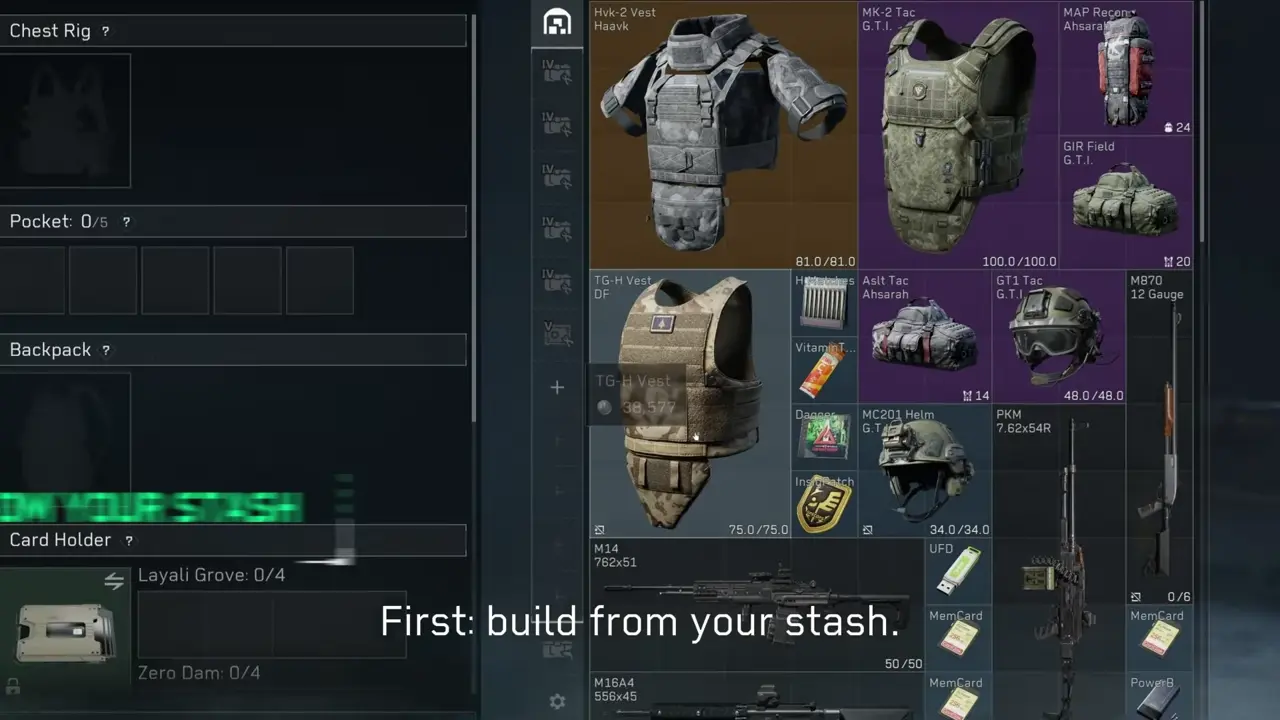
The Delta Force Spend Less Alloy guide starts with owned equipment. The point is to combine usable pieces before paying for replacements.
| Currency | Main source | Main use | Important limit |
|---|---|---|---|
| Tekniq Alloy | Extracted loot, item sales and Operations rewards. | Gear, supplies and Auction House purchases. | Losing an expensive kit reduces the reserve available for future raids. |
| Delta Coins | Paid store currency. | Store content and eligible cosmetic purchases. | Do not top up Delta Coins expecting them to replace Tekniq Alloy. |
| Gear Tickets | Missions and events. | Preset armor, weapon, ammo and medicine for an Operations run. | A ticket saves Alloy only when most of the preset is actually used. |
This distinction changes the whole spending decision. A cheap Operations kit is not a paid-store discount; it is a loadout that completes the objective without placing too much of the stash and Alloy reserve at risk.
| Order | Source | Take from it | Stop condition |
|---|---|---|---|
| 1 | Stash | Compatible armor, rig, backpack, weapon, attachments, ammo, medicine and utility. | Stop when the remaining gaps prevent the chosen route from working. |
| 2 | Gear Ticket | A preset that replaces most personal gear for a suitable run. | Do not add so many upgrades that the ticket becomes an expensive custom kit. |
| 3 | Auction House or Supply Station | Only missing items that solve a defined protection, ammo, healing or task requirement. | Cancel the cart when purchases expand beyond the original list. |
Start with the job the run must complete: learn an extraction, deliver a task item, loot a specific area, fight a boss or contest players. Map difficulty and objective determine the minimum kit. Rarity alone does not.
| Check | Why it saves Alloy | Warning sign |
|---|---|---|
| Weapon and ammunition tier | A familiar weapon with available ammo can outperform a premium gun that forces an expensive caliber purchase. | The ammunition costs more than the rest of the route requires. |
| Armor durability | Owned armor can be usable even when it is not pristine. | A cheap listing has poor current or maximum durability. |
| Rig and backpack space | Enough slots for the objective are more useful than unused capacity. | The bag is oversized for a quick task run or too small for the planned loot route. |
| Attachments | Stash parts can complete a weapon without buying a full build. | The market gun looks cheap because necessary attachments are missing. |
| Medicine and utility | A complete reset kit protects the value already invested. | The loadout can win a fight but cannot recover afterward. |
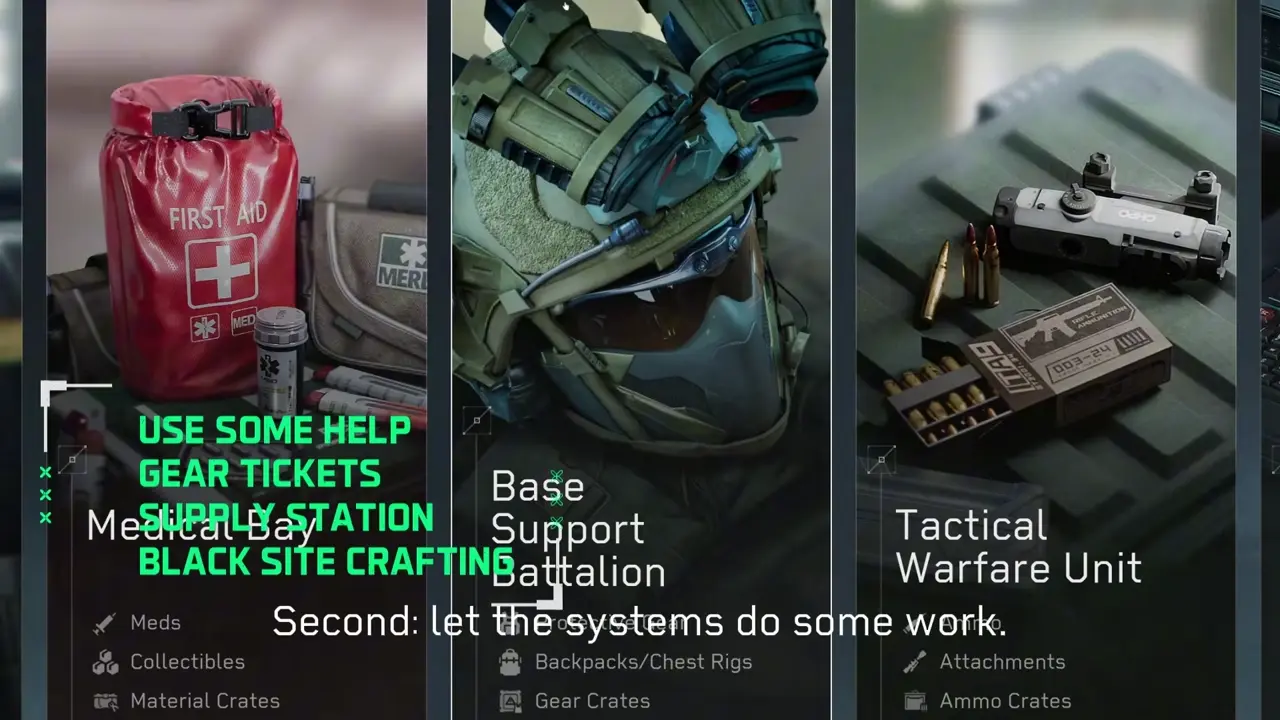
Gear Tickets provide a complete preset of armor, weapon, ammo and medicine. They save the most when the preset already matches the run rather than becoming the base for a costly rebuild.
For route practice, a recovery run after losses, or a mission that does not need specialized equipment.
When the preset is poorly matched to the difficulty, ammunition requirement or planned squad role.
Add a familiar sight, missing treatment or suitable ammunition when that small change solves a clear weakness.
If most armor, weapon parts and supplies are replaced, return to a stash-based or targeted-buy loadout.
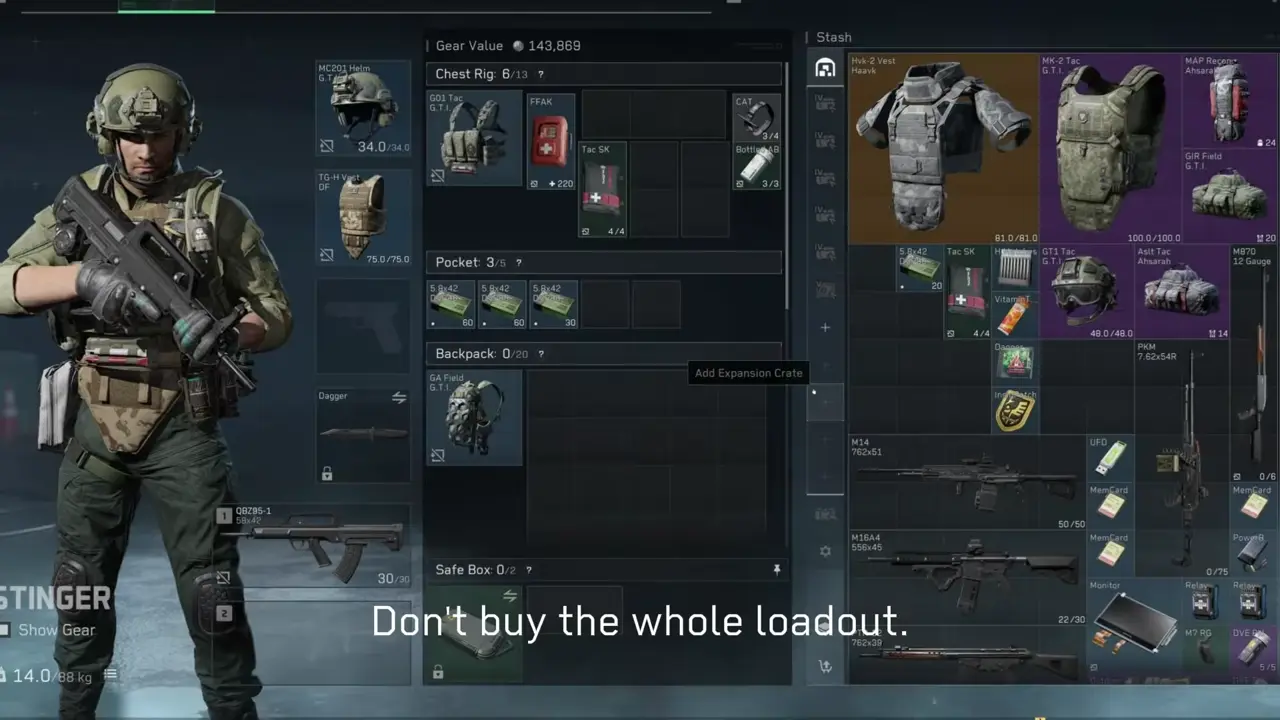
The loadout comparison uses an approximately 130K budget example and an approximately 300K high-risk example. These illustrate different risk levels, not fixed prices or universal budgets.
Market value changes with supply, durability, attachments and quantity. Compare like with like: the same item state, the same number of rounds and the same attachment coverage. A listing that starts cheaper can become the expensive option once the missing pieces are added.
A sustainable kit is one the account can lose without forcing a panic sale or a zero-preparation next run. Use a simple two-loss test: price the completed kit twice, then ask whether the remaining reserve can still fund the route you normally play. If not, remove luxury attachments, downsize the backpack or switch to a ticket.
| Run type | Spend priority | Cut first |
|---|---|---|
| New map or extraction practice | Basic protection, healing and a familiar weapon. | Premium attachments and oversized storage. |
| Task or delivery run | Mobility, the task requirement and a reliable exit plan. | Gear that does not help the objective. |
| Planned squad PvP | Ammo, armor and utility that support the team's fight plan. | Duplicate roles and cosmetic weapon preferences. |
| High-difficulty farming | Survivability and equipment proven on that route. | Any upgrade whose benefit is unclear or not replaceable. |
Use the preset, one small correction and a low-conflict extraction. Best for learning without risking a full personal kit.
Combine compatible leftovers into one complete loadout. Best when the stash is full of useful but mismatched equipment.
Use owned core gear and purchase one or two mission-critical gaps. Best for a familiar route with a clear combat requirement.
Spend only on the items needed for your assigned entry, support, scout or carry role. Avoid paying for a second role the team already covers.

Delta Coins are separate from Tekniq Alloy.
View coin options only for eligible cosmetics or passes.
No. Use the least expensive coherent kit that can complete the route. Missing suitable ammo, treatment or protection can make a nominally cheap kit more expensive through repeated failed extractions.
They provide preset equipment without the same Alloy purchase, and missions or events can replenish them. Use each ticket where its preset is suitable instead of treating tickets as valueless.
Tekniq Alloy is the Operations currency earned from loot, sales and rewards. Delta Coins are a separate paid store currency.
No. Durability, attachments, quantity and live supply all affect value. Compare the complete usable item with stash and Supply Station alternatives before confirming.
Apply the two-loss test. If losing the same kit twice would stop the account from funding its ordinary route, reduce the loadout or use a ticket.
Choose the objective first, fill the loadout from the stash, test a suitable Gear Ticket, and take only unresolved gaps to the Auction House. Spend on survival and mission completion, not on a fantasy build that the route does not require.

Copyright © FUTURE OUTLOOK TECHNOLOGY LIMITED.Company Registration No.: 77374965 All rights reserved.UNIT 135,1/F.,143 WAI YIP STREET,KWUN TONG HK