
Reorientation season · Global version · Separate picks for extraction and large-scale combat
There is no honest single Delta Force operator tier list for both main modes. Operations punishes a bad fight with lost gear and a failed extraction. Warfare gives you repeated lives, larger objectives, vehicles, and more opportunities to earn value from healing, reconnaissance, area denial, and spawn tools.
This guide therefore answers a more useful question: which operator fits the job you need to do? The recommendations below use the current Global roster and Reorientation balance state. Official Global posts call the current season Reorientation; “Season 11” is common community and search shorthand, not the official season title. Official pages establish what each kit does; mode rankings remain editorial judgments and can change with maps, team composition, and patches.
Best Delta Force Operators at a Glance
| Need | Best starting pick | Why | Limitation |
|---|---|---|---|
| New player | Stinger | Healing, smoke, and rescue value remain useful before you master every map. | Support value drops if you ignore teammates and take every fight alone. |
| Operations information | Luna | Detection tools help a squad check movement before committing gear to a fight. | A scan is only useful when the squad acts on it. |
| Operations flank pressure | Nox | Reduced audio presence and disruption tools reward prepared side angles and room entries. | He is less reliable when forced into a long, obvious front-to-front duel. |
| Warfare assault | D-Wolf | Mobility and explosive pressure help break angles and maintain push tempo. | Static play wastes much of his kit. |
| Warfare anti-vehicle | Uluru | Loitering munitions, incendiary pressure, and temporary cover support objective pushes. | Less universal on routes with little vehicle or chokepoint pressure. |
| Coordinated rescue | Vlinder | Remote rescue and sustained squad support can stabilize exposed teammates. | Her value is easier to waste in an uncoordinated solo queue. |
| Track and disrupt | Rover | Clover can detect, pursue, tackle, and mark a nearby enemy while Rover adds smoke and dart pressure. | Current player feedback is mixed; use him for a specific plan rather than as a blind Support pick. |
How We Choose the “Best” Operators
An operator moves up this guide when the kit creates repeatable value, not because one ability looks dramatic in a short clip. We use six checks:
- Mode: Operations and Warfare are evaluated separately.
- Information: Does the kit help the squad find enemies or avoid a bad entry?
- Survival: Can it prevent a failed extraction, rescue a teammate, or keep a push alive?
- Objective value: Does it clear a route, deny space, damage vehicles, or protect a capture?
- Team dependence: Does the operator still contribute in solo queue, or only with coordinated players?
- Execution difficulty: How much timing, positioning, and map knowledge is required before the kit pays off?
Best Operators for Operations
Operations rewards information, controlled engagements, and a safe exit. A player who prevents one bad push can save more value than a player who uses every ability for damage.
Luna — safest general Recon pick
Luna's Detection Arrow emits sonar pulses while it travels, and her Volt Arrow creates electrical pressure around its impact point. That makes her useful before and during a fight: check a route, identify movement, then force defenders away from a comfortable angle.
Pick Luna when: your squad needs information before entering a building or crossing an exposed route. Do not pick her expecting free kills: detection does not replace communication, aim, or a plan for the follow-up.
Stinger — safest Support for beginners
Stinger's Hive-Tech Pistol delivers healing nanobots to allies, while his smoke tools provide cover and support during movement or recovery. His strength is not a complicated combo. He gives a new player a useful action even when the player is not leading the fight.
Pick Stinger when: you want reliable team value and a forgiving introduction to Support. Look elsewhere when: the squad already has sustain and specifically needs recon, anti-vehicle utility, or aggressive entry tools.
Nox — best for planned flanks and room pressure
Nox reduces his audio presence, disrupts nearby enemies, and carries flash and tracking pressure. In Operations, those tools matter most when the squad attacks from a side angle or punishes an enemy who is trying to heal, revive, or retreat.
Pick Nox when: you already understand the route and can time an entry. Avoid calling him universally best: his advantage shrinks when the enemy sees the approach and forces a long frontal fight.
Hackclaw — best for signal-based information
Hackclaw's Signal Decoder captures device signals and turns them into visual paths. Her Flash Drone can track and disorient a target, while the Data Knife disrupts enemy hardware. She is a strong choice for players who prefer information and gadget control over a direct damage ability.
Pick Hackclaw when: your squad is willing to slow down, read the signal, and choose its entry. Her limitation: she asks for more interpretation than Luna's more immediate detection tools.
Tempest — strong solo-friendly safety, but use the Global name
Some older regional material calls this operator Gale. The Global English article should use Tempest. Her movement and emergency-survival tools make her attractive to aggressive or solo players who want a chance to recover from a bad exchange.
Pick Tempest when: personal mobility and self-preservation matter more than team-wide information. Her limitation: a second chance is not the same as preventing a bad fight in the first place.
Rover — promising tracker after the September 17 buff
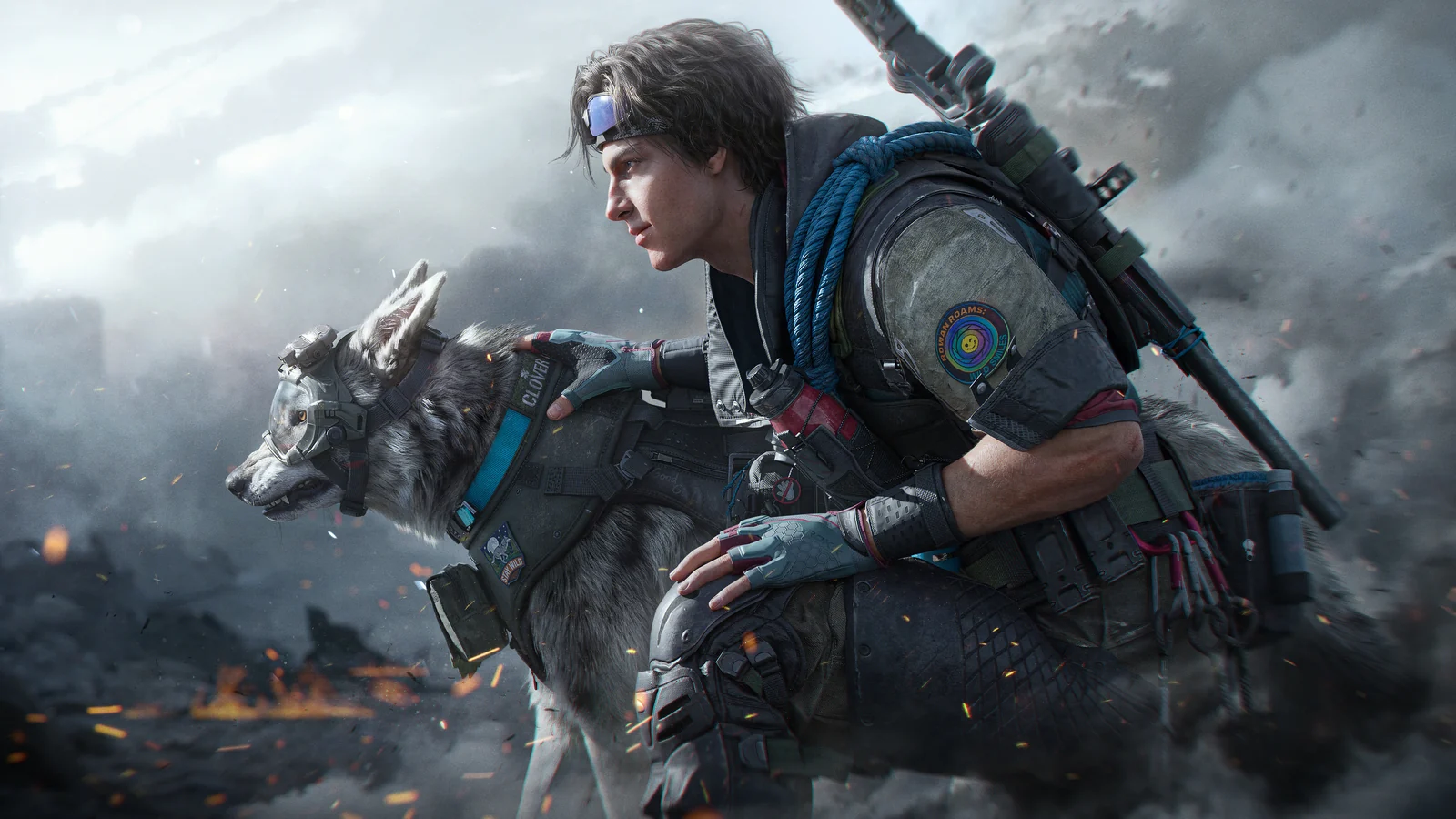
Rover, whose name is Rowan Walsh, joined the Reorientation season as a Support operator. Man's Best Friend calls Clover to detect nearby enemies, pursue the closest target, tackle, and apply a mark. His Dart Rifle creates a mist that pressures enemies; in Operations it can also support injured allied limbs. Irritant Smoke makes affected enemies cough and reveal their presence.
Rover received a balance improvement on September 17, only nine days after the season launched. That is why launch-day tier lists should not control the article. He is useful when a squad wants to expose one defender and start a short fight, but Stinger remains the safer general recommendation for straightforward healing and smoke support.
Best Operators for Warfare
Warfare changes the value of an operator. Repeated respawns reduce the cost of one mistake, while large objectives make sustained healing, spawn tools, vehicles, area denial, and lane control more important.
Stinger — best beginner Support and steady score value
Healing and smoke remain useful across repeated objective fights. Stinger can support a push without needing perfect mechanical execution, which is why both current guides and recent player discussions continue to treat him as a reliable starting choice.
D-Wolf — best direct Assault recommendation
D-Wolf's Motorized Exoskeleton supports fast movement, while the Triple Blaster adds explosive pressure. He fits players who want to enter, clear an angle, and keep moving before the defenders reset.
Pick D-Wolf when: you actively attack objectives and use movement to change angles. Do not pick him to sit behind one piece of cover: that removes the reason to use his kit.
Luna — best simple Recon recommendation
Large Warfare fights produce many routes, flanks, and crowded objectives. Luna's detection can give the team immediate information, and Recon access to spawn tools adds team value beyond personal kills. She is especially useful when the player scans routes the team is actually about to contest.
Uluru — best practical anti-vehicle Engineer
Uluru combines loitering munitions with a rapid system that creates temporary concrete cover. In Warfare, that gives him a clear job: pressure a vehicle or defended position, then help the team cross or hold space.
Pick Uluru when: vehicles and exposed approaches are deciding the objective. His limitation: he is less universal when the map section does not reward heavy pressure or temporary cover.
Shepherd — best for defensive area control
Shepherd's drones and sonic traps are built to suppress enemies and reduce explosive pressure around a defended area. He is not the automatic answer on every map, but he has a clear use when a team must hold a route, protect a capture, or slow repeated pushes.
Vlinder — best for coordinated rescues
Vlinder's rescue UAVs and medical drones can keep a coordinated group active through a long fight. Her ceiling is high when teammates communicate and protect the rescue. In random matches, Stinger is often easier to turn into immediate value.
Best Operator by Class
Assault
D-Wolf is the safest Warfare recommendation for direct pressure. Nox is the more specialized Operations pick for flanks. Tempest offers personal safety, while Vyron rewards movement and disruption.
Support
Stinger is the default beginner pick. Vlinder becomes stronger with coordinated rescues. Rover tracks and disrupts, while Toxik favors an aggressive team that stays close enough to use her boost.
Engineer
Uluru has the clearest Warfare anti-vehicle job. Shepherd holds space, Gizmo controls a route with deployables, and N-Two specializes in slowing and area denial.
Recon
Luna is the easiest general recommendation. Hackclaw rewards players who can interpret signals and disrupt gadgets. Raptor is a more dedicated scouting option for players who want flexible reconnaissance.
Which Operator Should You Unlock or Learn First?
- You are completely new: start with Stinger. You can help the squad while learning maps and weapon handling.
- You play Operations and hate walking into hidden enemies: learn Luna, then compare Hackclaw once you understand common routes.
- You play aggressive Warfare: learn D-Wolf's movement and commit to changing angles rather than holding one lane.
- Your team struggles with vehicles: learn Uluru and save his heavy utility for the objective that matters.
- You want the new Reorientation operator: test Rover, but judge whether Clover creates a real follow-up instead of using the dog whenever the cooldown ends.
Do not choose an operator only because a tier list puts the portrait in S tier. Pick one clear job, learn when the ability should be used, and notice which fights still fail. That tells you whether the problem is the operator, the map, or the way the kit is being used.
Delta Force Operator FAQ
Who is the best operator in Delta Force Reorientation (Season 11)?
There is no single best operator for both modes. Luna is the safest information pick, Stinger is the easiest Support recommendation, D-Wolf is a strong Warfare Assault pick, and Nox is a more specialized Operations flanker.
Who is the best Delta Force operator for beginners?
Stinger is the safest starting choice because healing and smoke provide team value before the player has mastered every route. Luna is the better starting point for a player who specifically wants Recon.
Who is the best operator for Operations?
Luna is the most reliable general answer because information can prevent a costly fight. Stinger is safer for sustain, Nox for prepared flanks, and Hackclaw for signal-based scouting.
Who is the best operator for Warfare?
D-Wolf is a strong aggressive choice, Stinger provides steady Support value, Luna brings simple reconnaissance, and Uluru has a clear anti-vehicle role. The best pick changes with the map section and the job your squad is missing.
Is Rover good in Reorientation?
Rover is useful for tracking and disrupting one nearby target, and the September 17 update improved his current state. He is worth learning, but current evidence does not justify calling him the universal best Support over Stinger or Vlinder.
Are Operations and Warfare operator tier lists the same?
No. Operations values information, survival, and controlled fights because death can cost the loadout. Warfare values repeated objective pressure, vehicles, healing, spawn utility, and area control across many lives.
Once you know which role you want to play, choose a weapon that fits the same job in the Delta Force Reorientation weapons guide. The two choices should support each other: a fast entry operator needs a weapon and range plan that can finish the entry.
Buying a pass, bundle, or operator appearance?
Check the live in-game item and price first, then use the ManaBuy page that matches your account version: Delta Force (Global) or Garena Delta Force. Do not choose a product only because the name looks similar; Global and Garena account routes and packages are separate.
Sources and Update Policy
- Official Delta Force Global announcements on Steam — Reorientation launch, Rover release, and September 17 operator balance update.
- Official Rover announcement — Global name, release timing, and Support positioning.
- Official Delta Force Universe — operator roles, names, and core ability descriptions.
- Overgear Season 11 operator guide — secondary cross-check for current editorial rankings and Rover placement.
- Recent player discussion on Warfare roles — community signal for current practical picks and disagreements.
Review this article after a major operator balance patch or new season. Official sources control names and kit facts. Third-party rankings and player comments are used only as secondary evidence for recommendations.