
Is SUGO App Safe? Voice Chat, Coins, Gifts, and Privacy Checks

Is SUGO app safe? SUGO is a real voice chat and online party app, but it is not a risk-free place to spend coins or trust strangers instantly. The official Google Play listing describes SUGO as a voice chat and video call app with group chat rooms, real-time chat, moments, animated gifts, in-app purchases, and a Mature 17+ content rating. The Apple App Store listing also presents SUGO as an online party-room app built around voice rooms, messages, moments, gifts, and global chatting.
That means the right question is not simply whether SUGO is real. The better question is how safely you can use it. Voice rooms, paid gifts, private chats, random social matching, and host-style interactions all create situations where users may spend quickly or share too much. This guide explains what SUGO does, how coins and gifts fit into the experience, what user reviews are worried about, and the checks to make before spending money or moving a conversation outside the app.
Quick answer: SUGO appears to be a legitimate social entertainment app, not a fake app by default. It is listed on Google Play and the App Store, has in-app purchases, and is positioned around voice chat rooms, party rooms, moments, gifts, and global communication. The safety risk comes from how users spend and interact: paid messages or gifts can drain coins, some reviews complain about pushy chats or fake-feeling profiles, and any stranger asking for off-app payments, OTP codes, wallet access, or refunds through private accounts should be treated as high risk.
What Is SUGO App?
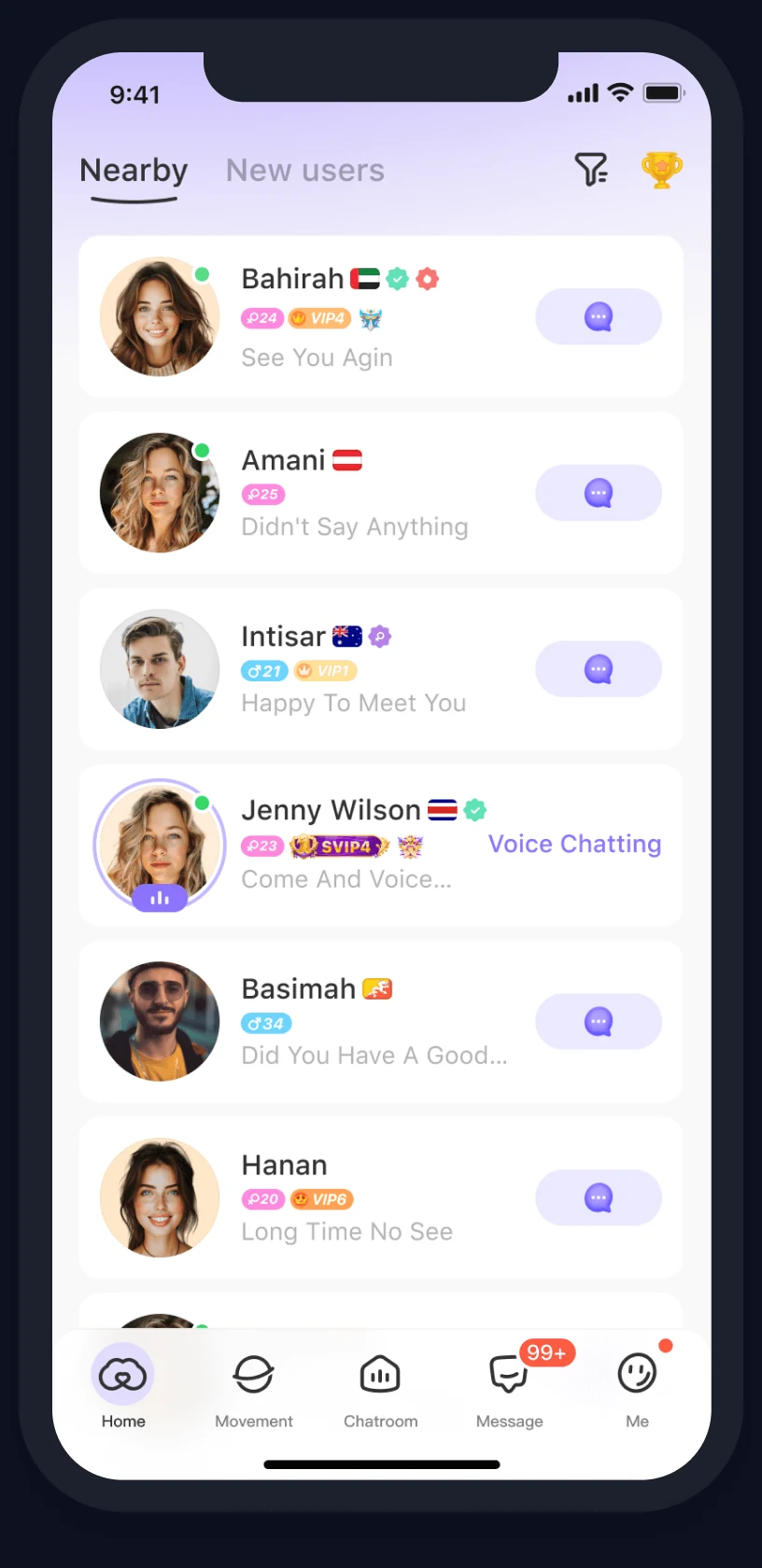
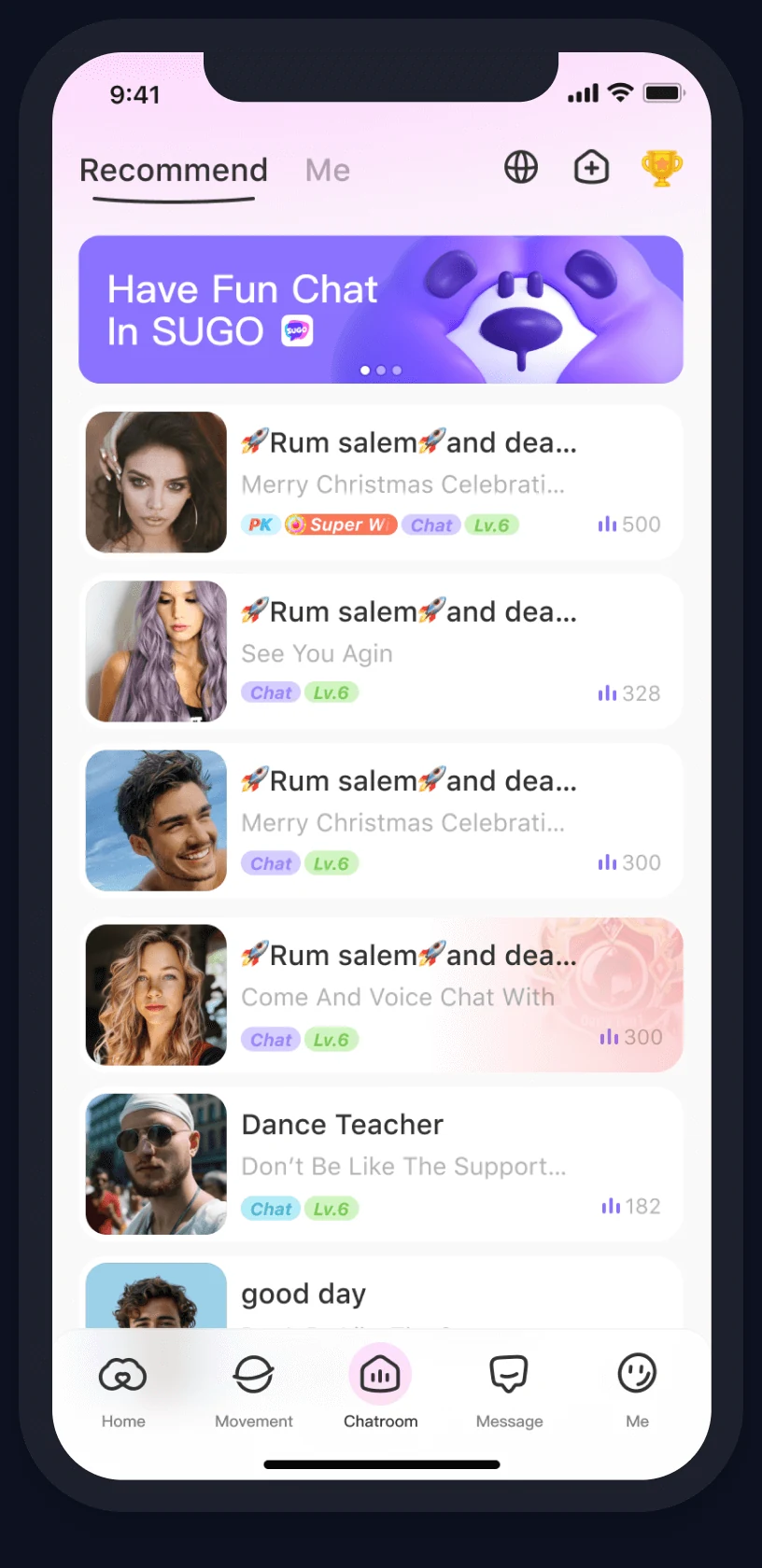
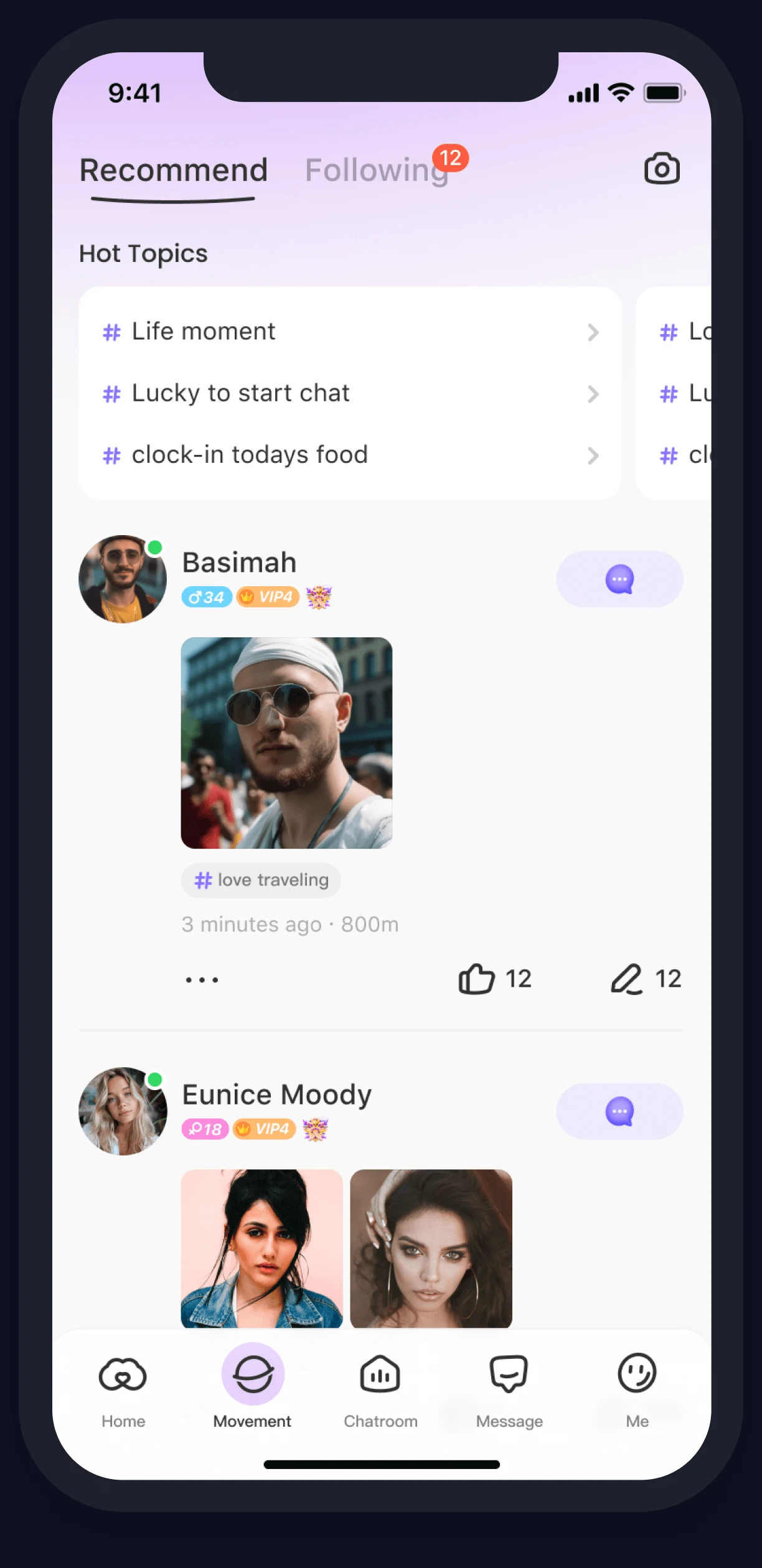
SUGO is a social voice chat app for meeting people through rooms, messages, and live interaction. Its core experience is closer to a voice party platform than a normal messaging app. Users can join group audio rooms, start chats, share moments, send virtual gifts, and use paid features when they want more interaction.

On Google Play, SUGO is shown with ads, in-app purchases, a Mature 17+ rating, and user interaction warnings. The listing also says the app may collect data categories that include location, personal info, and other data types, while stating that data is encrypted in transit and that users can request data deletion. Those details matter because voice-social apps often involve profile data, chat behavior, spending behavior, and location or language-based discovery.
Best understood as
A voice-room and live social app where users talk, join party rooms, send gifts, and meet new people.
Useful for
Casual conversation, music rooms, language practice, social discovery, and audio-first hangouts.
Be careful with
Coins, private chats, off-app payment requests, fake urgency, and anyone pushing you to keep spending.
Is SUGO Real or Fake?
SUGO is real in the basic app-store sense: it has official listings, support channels, reviews, content ratings, and app updates. Google Play shows large install volume and many reviews, while the App Store shows its own ratings and user feedback. That does not automatically mean every profile, host, room, or private message inside the app is trustworthy.
For live social apps, legitimacy has two layers. The platform can be legitimate, while individual interactions can still be manipulative, spammy, or unsafe. A user who joins public rooms, avoids overspending, keeps chats inside the app, and reports suspicious behavior is using a very different risk profile from a user who buys coins impulsively, accepts every call, or follows strangers to Telegram, WhatsApp, crypto wallets, or private payment links.
| Question | Safer interpretation | Risky interpretation |
|---|---|---|
| Is SUGO a real app? | Yes, it is publicly listed and maintained on major app stores. | Assuming every user or host inside the app is verified enough to trust with money. |
| Are SUGO chats free? | Some discovery and room activity may be free, while premium interaction can involve coins. | Chatting without checking coin uses, call rules, or gift prompts. |
| Are SUGO users real? | Some are real users, hosts, or community members. | Believing every flattering message, urgent request, or off-app invitation. |
| Are SUGO Coins safe? | Safer when purchased through official or clearly verified routes and spent intentionally. | Buying from strangers, generators, hacked APKs, or sellers asking for passwords. |
How SUGO Coins, Gifts, and Paid Chats Work
SUGO's store listings repeatedly mention gifts, medals, party rooms, and in-app purchases. In practice, apps in this category usually use virtual currency to let users send gifts, unlock premium interactions, support hosts, or stand out in rooms. The exact coin requirement and refund rules should always be checked inside the current app version because app-store descriptions and third-party guides can become outdated quickly.
The biggest user mistake is treating coins like harmless points. Coins are usually purchased with real money, and once they are spent on messages, gifts, calls, rooms, or effects, recovery may be limited. A 2024 Times of India report described a police complaint involving Sugo conversations, repeated coin spending, and a later refund-related scam outside the app. That report should not be used to label every SUGO user as unsafe, but it is a useful reminder: coin spending plus emotional pressure plus off-app refund promises can become expensive fast.
SUGO Safety Checklist Before You Spend
If you want to use SUGO casually, the safest approach is to separate social fun from money decisions. Join rooms first, observe how hosts and regular users behave, and only spend coins when you understand the use of the action.
Confirm you installed the app from Google Play, the App Store, or another official route. Avoid modified APKs and "unlimited coin" tools.
Before sending gifts, accepting calls, or opening private interactions, look for the coin use and whether the action renews, repeats, or bills by time.
Do not send money, gift cards, crypto, bank transfers, or wallet payments to a stranger who promises gifts, romance, refunds, or host access.
Never share passwords, OTP codes, private photos, full address, payment screenshots, or account recovery information with people you meet in rooms.
Common Red Flags in Voice Chat Apps Like SUGO
Most safety problems in voice-social apps follow recognizable patterns. You do not need to distrust everyone, but you should slow down when a conversation turns into a money path too quickly.
| Red flag | Why it matters | Safer response |
|---|---|---|
| Someone pushes you to add coins immediately | Urgency reduces your chance to check coin use, refund limits, or seller legitimacy. | Pause, compare the in-app rules, and decide a budget before continuing. |
| A user moves you to another app for payment | Off-app payments are harder to dispute and may bypass SUGO support. | Keep money-related activity inside trusted payment channels. |
| A seller asks for your password or OTP | Legitimate coin delivery should not require control of your account login. | Stop immediately and report the account or seller. |
| A profile disappears after gifts or paid chats | Some reviews describe interactions that feel designed to encourage repeat spending. | Set a spending cap and avoid chasing a conversation with more coins. |
| Refund help comes from private bank accounts | Real support should not ask you to pay extra fees through random accounts to get money back. | Use official support and your payment provider's dispute route where applicable. |
What App Store Reviews Suggest
SUGO's reviews are mixed, which is common for social entertainment apps with paid interaction. Some users praise the voice rooms, international community, weekly events, smooth interface, and ability to meet people. Others complain that chats can feel coin-driven, that many accounts contact them quickly, or that the experience becomes expensive after coins run out.
A balanced review should treat both sides seriously. Positive reviews can tell you what the app does well: easy room discovery, audio-first socializing, and low-pressure group interaction. Negative reviews are useful because they highlight what to watch: spending pressure, fake-feeling conversations, high message coin use, disappearing profiles, or support frustration. For a new user, that means SUGO may be worth testing as a free or low-spend voice room app, but it should not be used with unlimited spending or blind trust.
Who Should Try SUGO?
SUGO makes the most sense for adults who enjoy casual voice rooms, party chat, music rooms, international communities, or social discovery without always turning on camera. It is less suitable for users who dislike virtual currency systems, feel pressured by private messages, or have trouble limiting app spending.
Good fit
You want to join public rooms, listen first, speak when comfortable, and spend only with a clear budget.
Bad fit
You are looking for guaranteed dating, guaranteed income, unlimited free chat, or cheap coins from unofficial sellers.
SUGO App Safety FAQ
Is SUGO a real app?
Yes. SUGO has public app-store listings and is presented as a voice chat, party room, and social entertainment app. That makes the platform real, but individual chats, sellers, hosts, or off-app payment requests still need caution.
Is SUGO safe for minors?
No. Google Play lists SUGO as Mature 17+, and the app involves user interaction and in-app purchases. Younger users should not use adult social chat rooms, private calls, or gift-based interactions without following platform and local age rules.
Do SUGO messages and gifts require payment?
Some SUGO activity may be free, but gifts, premium interactions, or paid chat features can involve coins. Always check the current in-app use before sending gifts, accepting calls, or continuing a private conversation.
Can SUGO Coins be refunded?
Refund rules depend on the current app, app-store policy, payment method, and reason for the issue. Treat coins as a real-money virtual currency and avoid buying more than you are comfortable losing if a gift, chat, or interaction does not go as expected.
How do I avoid SUGO scams?
Use official app stores, avoid modified APKs, never share passwords or OTP codes, keep payments inside trusted channels, and stop when someone asks for off-app money, gift cards, crypto, bank transfers, or extra fees for a refund.
Is SUGO good for voice chat?
It can be, especially if you like themed voice rooms, party rooms, music chat, and casual social discovery. The best experience usually comes from joining public rooms first, watching the room culture, and spending only after you understand the rules.
Final Verdict: Use SUGO, But Set Boundaries
SUGO is best treated as a voice-social entertainment app with real users, paid features, and normal social-platform risk. It can be fun if you join rooms carefully, protect your privacy, and keep coin spending under control. It becomes risky when you chase private conversations, believe refund promises from strangers, buy from unverified sellers, or share login and payment information.
If you are new, start with free room browsing, avoid off-app payments, and set a small test budget before buying coins. A safe SUGO experience is less about trusting the app blindly and more about knowing when to pause, verify, and walk away.



Copyright © FUTURE OUTLOOK TECHNOLOGY LIMITED.Company Registration No.: 77374965 All rights reserved.UNIT 135,1/F.,143 WAI YIP STREET,KWUN TONG HK