
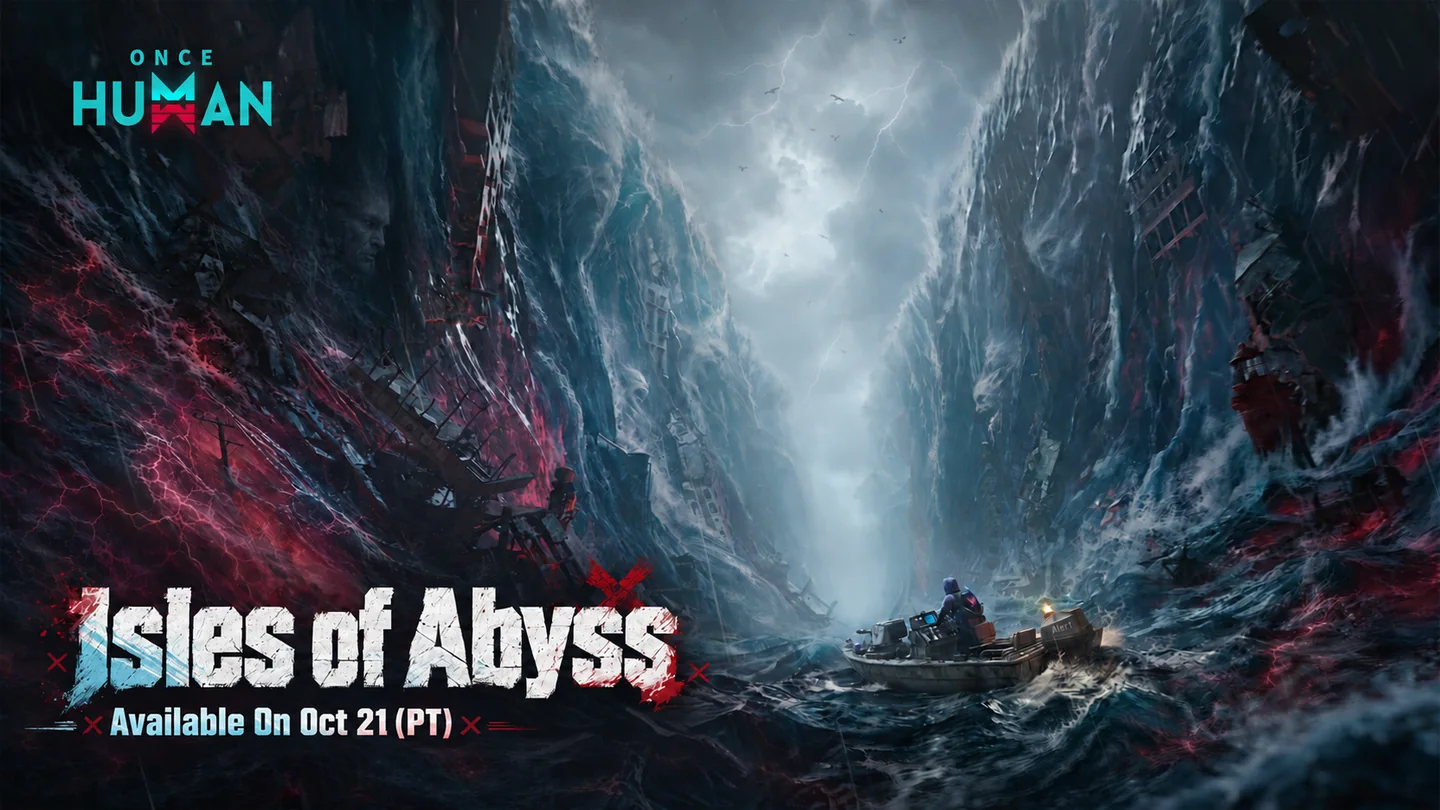
What changes in Isles of Abyss?
Your ship is both transport and a mobile territory. It carries storage, production, repair tools, and the weapons needed for naval encounters. Progress also depends on Tech: exploring islands, gathering new resources, and completing key challenges unlock higher-rarity crafting, ocean facilities, and better survival options.
The scenario is split into progression phases. Early play focuses on establishing supply routes, adapting to island environments, and building a reliable vessel. Later challenges add stronger Voyager fleets, advanced Calamity Tower encounters, Sea Calamity Zones, and the scenario's final cooperative objective. The practical lesson is simple: early survivability matters more than rushing toward late-game firepower.
Best early-game progression order
Keep steering, storage, power, and repair access close together so one player can manage the vessel without running across an oversized deck.
Do this as soon as the basic layout works. A saved blueprint reduces the cost of recovering from a bad voyage or redesigning the ship later.
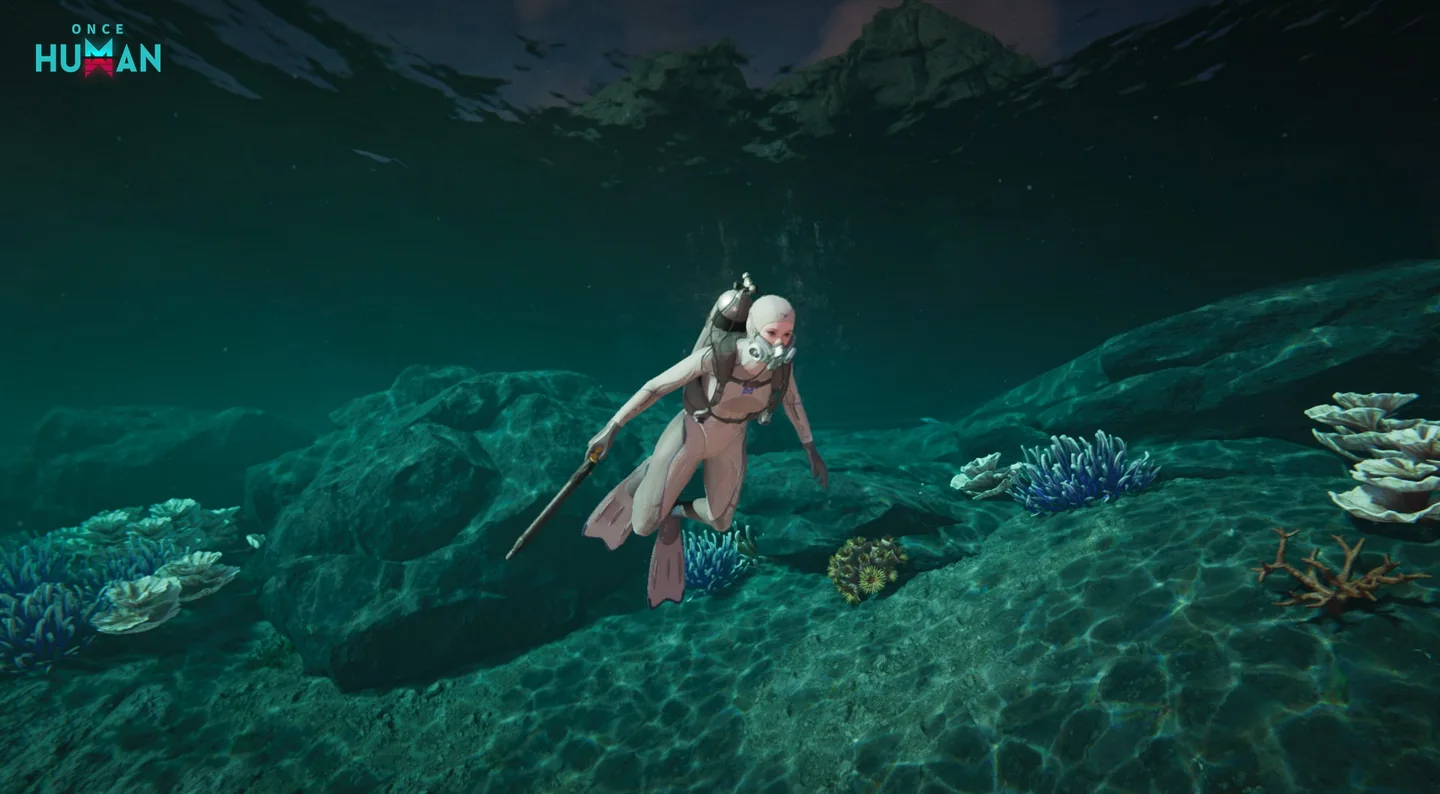
Bring protection, oxygen support, an emergency ascent item, and a weapon suitable for underwater threats.
Build a reserve of basic materials before committing to deep-sea ruins or long trips between islands.
A ship that wins one fight but cannot recover is not ready for sustained exploration.
How should you build your first ship?
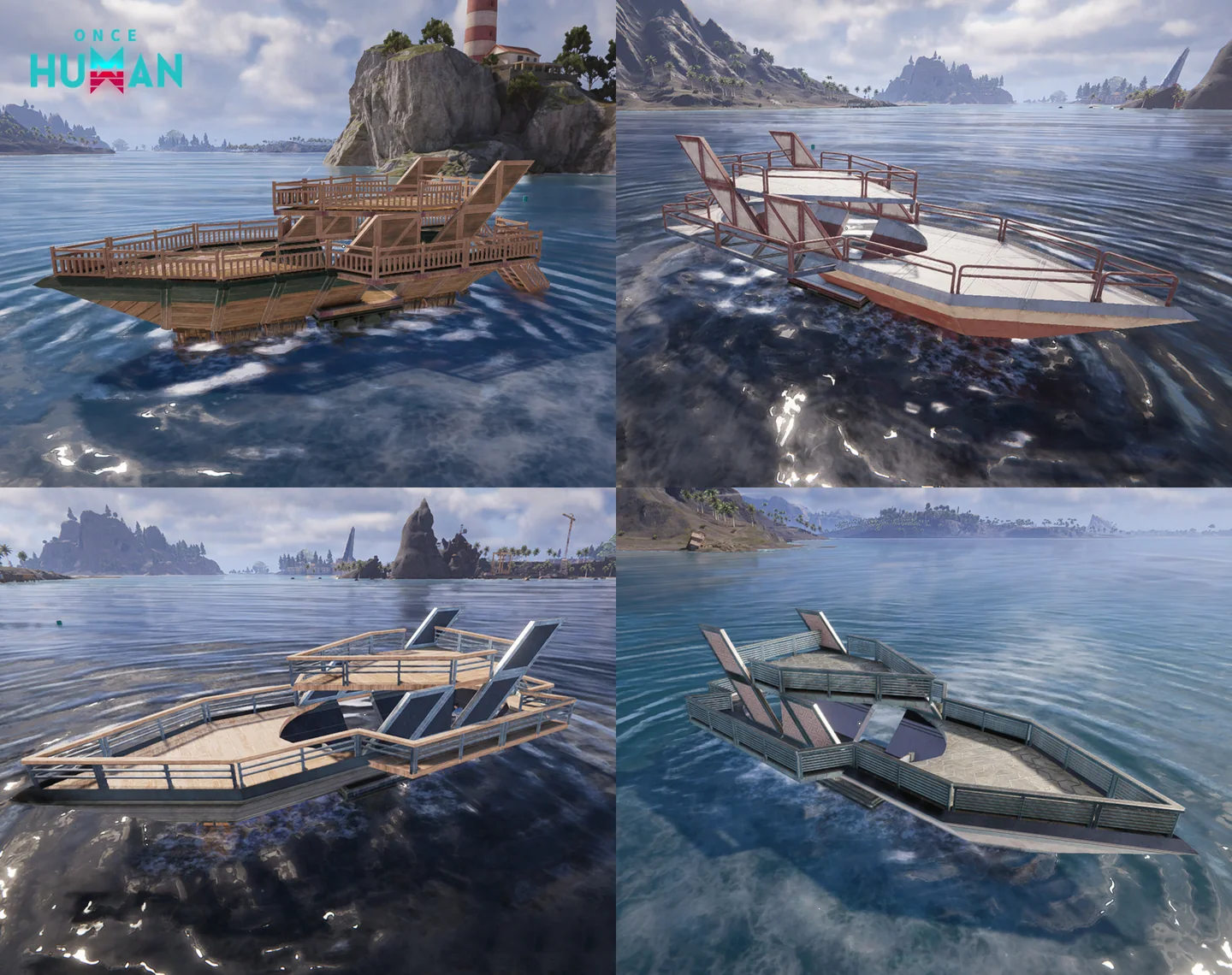
Do not treat the first ship as a final showcase build. Prioritize short routes between the helm, power system, storage, and repair facilities. Leave enough deck space to move during combat, but avoid expanding faster than your resource income can support.
Ship weapons have different jobs. Cannons with arcing trajectories reward careful leading, a ram is useful at close range, and mines can punish enemies that follow your route. Pick one offensive plan first, learn its range, and add specialized options after the ship's core systems are stable.
Diving gear to prepare before going deep
How to explore from the coast to the deep sea
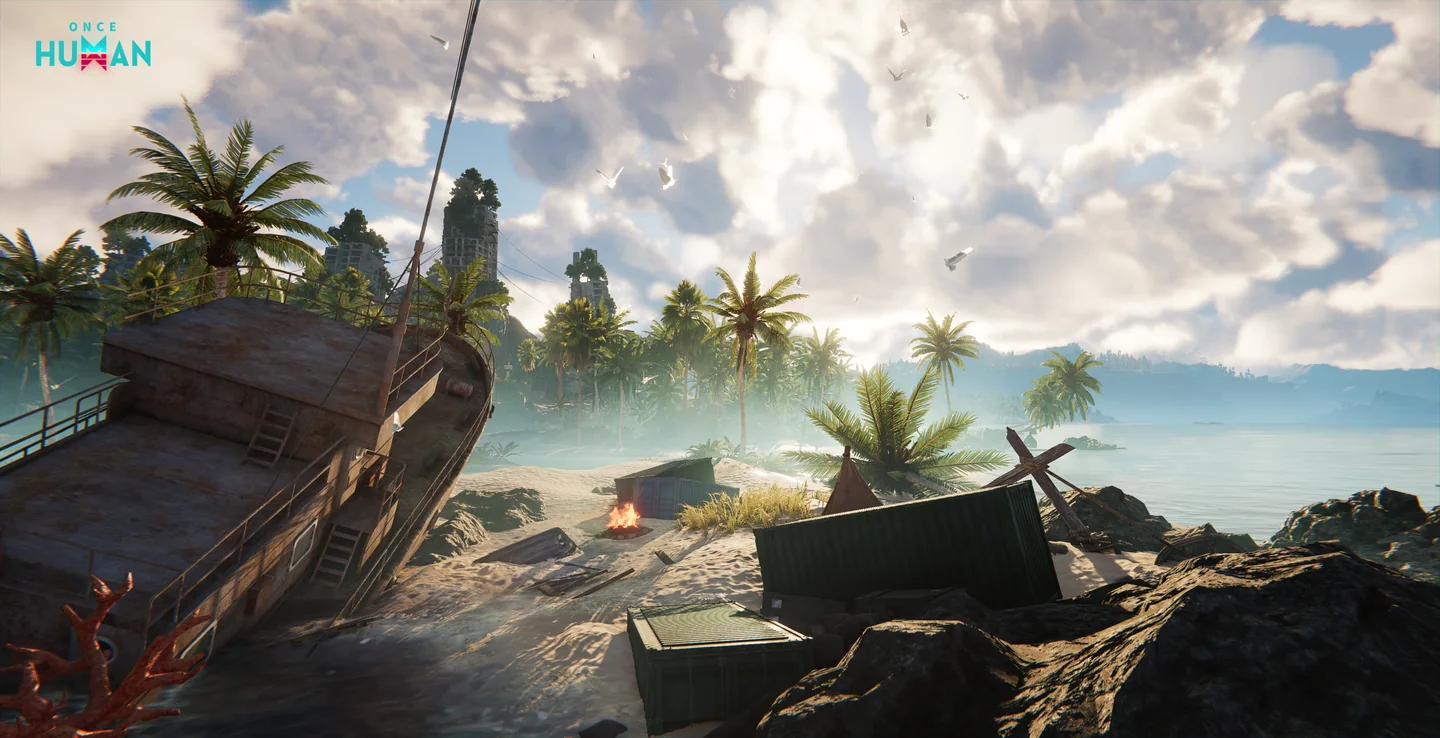
Start with beachcombing. Search sand holes, bubbling spots in shallow water, and glimmering cracks between reefs. Drift bottles may contain treasure maps, books, ship blueprints, or letters. These coastal activities are useful because they build supplies without forcing a long return trip.
Next, move to shallow wrecks. Only after your protection and oxygen plan are reliable should you head toward deep-sea ruins or underwater laboratories. Watch for floating containers, ruins, and glowing algae on the surface. Before entering a large site, identify the return direction and decide how much oxygen must remain for the trip back.
Haywire Zones need different countermeasures
- Mist of Deceit: reduces visibility and increases environmental pressure. Prepare light, temperature control, and enough durability for the return trip.
- Black Tide: creates serious contamination and Sanity pressure. Bring the appropriate protective equipment before gathering local materials.
- Time Rain: accelerates Energy and Hydration consumption and can wear down items and gear. Carry extra supplies and avoid overstaying.
- Skyfire: meteor impacts damage nearby players and structures while increasing local heat. Treat impact areas as both hazards and resource opportunities.
Do not use one universal loadout for every island. Check the hazard first, then swap protection, food, and consumables before leaving the ship.
Why repair and rescue facilities come before more weapons
Long voyages create damage even when combat goes well. A Reverse-Time Welding Gun and territory repair facilities help restore structures and keep the ship functional between encounters. A Help Station can also rescue a downed character who reaches it, so place it somewhere accessible from the helm and other frequently used systems.
This placement is a practical recommendation rather than an official required layout. The goal is to shorten the distance you must travel during an emergency. If you play with a group, make sure everyone knows where repair materials and rescue facilities are located.
Voyagers and Calamity Tower are different fights
Voyagers: disable, board, and loot
Voyagers vary in size and configuration. Some emphasize firepower, crew strength, or mine blockades. Combat may continue after the first exchange of cannon fire: you can destroy important facilities, board the deck, and search the hold for treasure. Before engaging, leave storage space for loot and make sure you can repair hull damage afterward.
Calamity Tower: clear support threats before the weak point
Calamity Tower encounters test cannon control, ship movement, and team coordination. Tentacles can block areas, summon reinforcements, heal, or share damage. Remove the support threats that prevent a clean damage window, then focus fire when the weak point is exposed. Later versions of the challenge add heavier environmental pressure, so keeping an escape route matters as much as raw damage.
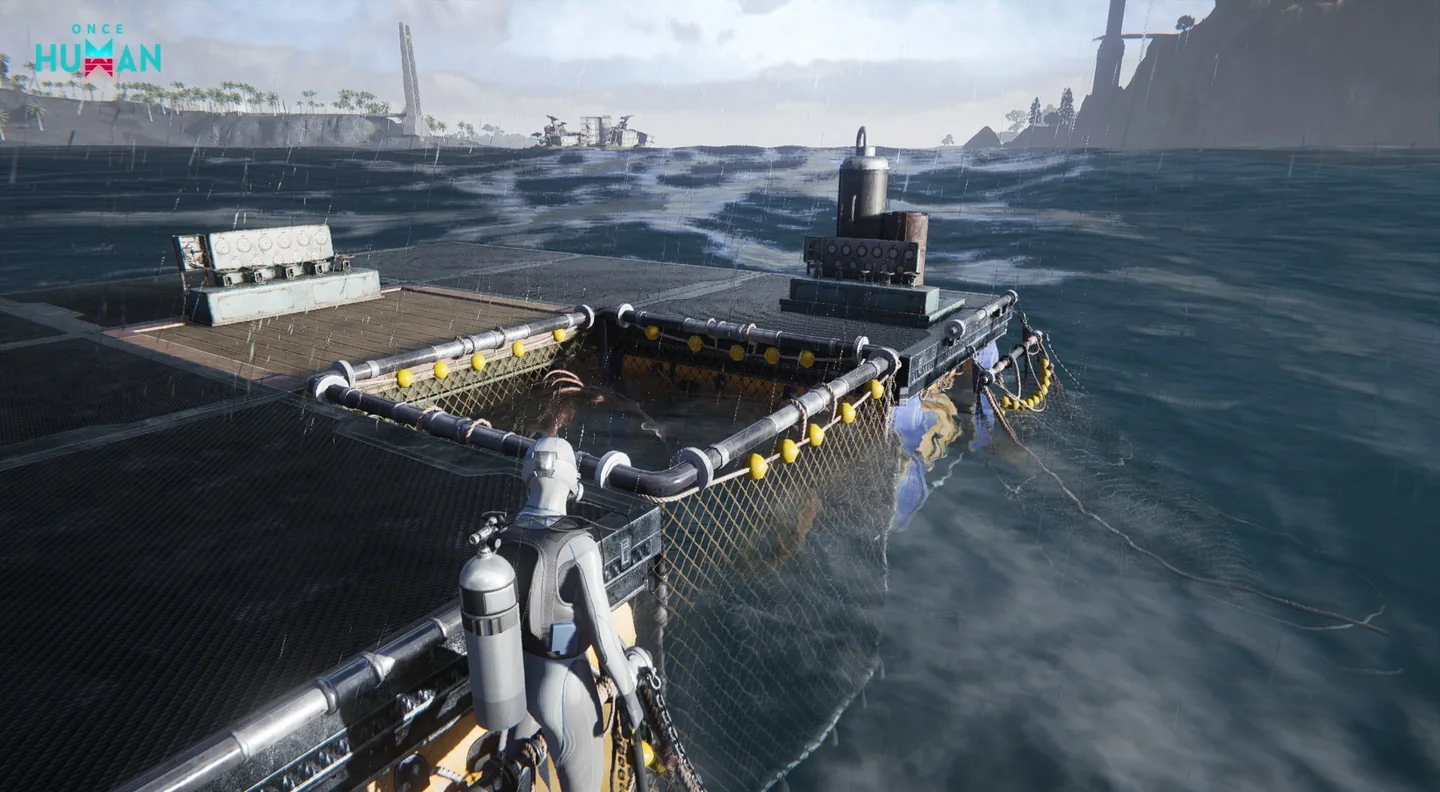
Pre-voyage checklist
- Your working ship layout is saved as a blueprint.
- The helm, storage, power, and repair facilities are easy to reach.
- Your diving suit matches the depth and contamination level.
- You have oxygen support and an emergency ascent option.
- Your food and protection match the destination's Haywire Zone.
- Ship and equipment durability are checked.
- Enough fuel and supplies remain for the return journey.
Frequently asked questions
Is Isles of Abyss a PvP scenario?
The standard Isles of Abyss scenario is PvE. Isles of Abyss: RaidZone is a separate mode with different rules, so check the selected mode before joining a server.
Should I go straight to deep-water ruins?
No. Start with beaches and shallow wrecks, then upgrade your diving protection, oxygen plan, and emergency ascent options before entering large underwater sites.
Can I rebuild my ship later?
Yes. You can adjust the design in building mode. Save a practical layout as a blueprint so it can be reused or shared.
How do I find underwater laboratories?
Look for containers, ruins, or glowing floating algae on the surface. These can indicate a laboratory or another underwater point of interest below.
What should I upgrade first: weapons or survival systems?
For early progression, prioritize a reliable ship, repair access, diving protection, and supply production. Better weapons become more valuable once you can survive and recover from repeated encounters.
Where can I verify scenario mechanics?
Use the official Isles of Abyss developer blog for the scenario systems, environments, and challenge descriptions.