
Quick answer: follow the main objectives until the game opens its core shelter systems, then grow the prerequisite buildings that unlock your next useful upgrade. Keep production workers healthy and happy, collect resources before storage or inactivity slows progress, and use one dependable combat team for exploration. Join an active alliance early enough to benefit from cooperation, but do not spend every resource on rankings you cannot sustain. Your first-week goal is a balanced account that can build, research, explore, and recover—not one inflated power number.
What kind of game is Dark War: Survival?
Dark War: Survival is a mobile strategy game set after a zombie outbreak. The official store description connects five main systems: assigning survivors to shelter jobs, gathering and exploring the wasteland, building and defending a base, recruiting and researching stronger teams, and cooperating through an alliance.
That makes the early game less about finding one secret trick and more about maintaining a loop. Shelter upgrades improve production and unlock options; production funds research and training; stronger teams explore farther; exploration brings resources back to the shelter; and alliance activity helps the account participate in larger objectives. If one part is ignored, the others eventually slow down.
Version note: menus, unlock requirements, events, hero balance, and server progression can change. This guide focuses on the durable decisions supported by the current official website and store descriptions rather than an exact event calendar or permanent tier list.
What should you do in your first Dark War Survival sessions?
Use the main objectives as a guided introduction, but do not tap every available upgrade without a purpose. A simple priority order prevents early resources from disappearing into systems that do not move the account forward.
| Priority | Beginner action | Why it matters | Ready to move on when… |
|---|---|---|---|
| 1. Main objectives | Follow the guided route and read each new system prompt. | It reveals the game’s prerequisite chain and current terminology. | You know which building or task unlocks the next core feature. |
| 2. Shelter core | Upgrade the buildings required for the next meaningful shelter milestone. | Core progress opens production, research, training, and exploration capacity. | The next upgrade is limited by a named resource or prerequisite, not a forgotten building. |
| 3. Production | Assign appropriate survivors and collect output regularly. | A productive shelter keeps construction and research moving while you are away. | Your main resource bottleneck has a worker, tool, or building plan. |
| 4. One combat team | Develop a small, usable group before spreading upgrades. | Concentrated investment helps exploration and story progress. | You can clear current objectives without every hero competing for the same materials. |
| 5. Alliance | Join an active group that fits your play schedule and server rules. | Cooperative features are an official part of the game’s progression. | You understand the alliance’s activity expectations and can contribute consistently. |
When several red dots appear at once, return to the next account goal. If the goal is a shelter upgrade, its prerequisites and materials outrank a cosmetic change or a low-impact side upgrade. If the goal is clearing a new area, the combat team may deserve the next materials instead.
How should beginners grow the shelter?
The official listing describes the shelter as the center of survival: build, expand, fortify defenses, unlock weapons, and create a safe place for more survivors. In practice, shelter growth works best as a prerequisite chain rather than a race to raise every building equally.
Choose one useful unlock or upgrade instead of treating every building arrow as urgent.
Upgrade the supporting buildings the live game actually requires, not an old chart from a different server age.
Do not consume all food, wood, or other core materials if the next construction step also needs them.
Leave enough capacity for training, healing, research, or another routine expense after a large build starts.
Start a longer build or research task before a long break when it will not block an immediate objective.
After every milestone, identify the new limiting resource instead of repeating the last solution automatically.
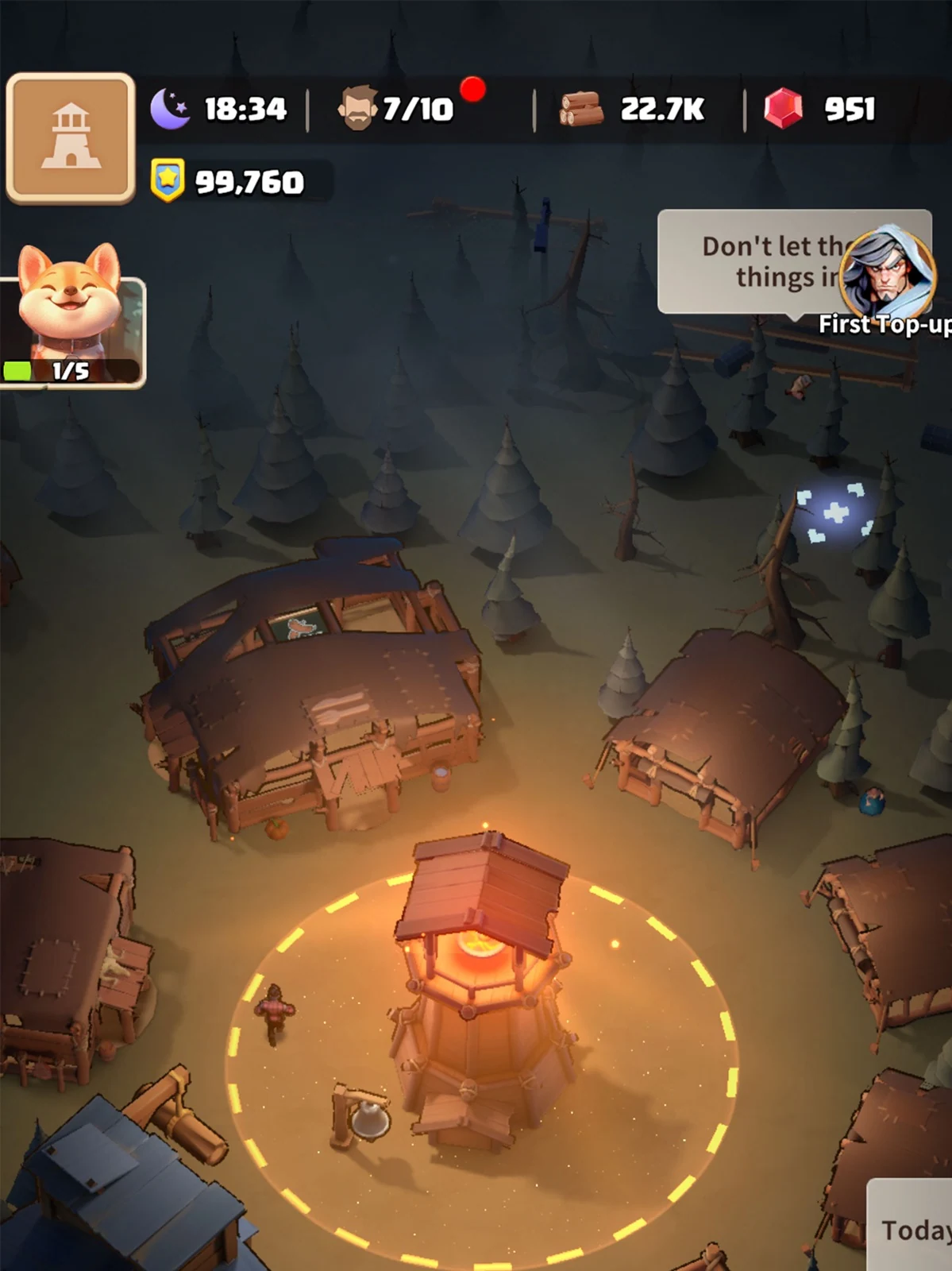
Diagnose a stalled shelter before spending
| What is stopping you? | First check | Better beginner response | Avoid |
|---|---|---|---|
| Missing construction material | Production assignments, unclaimed output, exploration rewards, and current tasks. | Increase or redirect the source that produces the missing material. | Buying a broad pack before identifying the exact shortage. |
| Missing prerequisite building | The live upgrade screen and required level. | Follow the shortest current prerequisite chain. | Upgrading unrelated buildings because they have notification dots. |
| Builder or queue occupied | Remaining time and immediate objectives. | Use the wait for exploration, team review, alliance activity, or resource collection. | Spending speedups automatically on every short timer. |
| Combat objective too hard | Team roles, levels, equipment, research, and whether the fight is optional. | Improve the weakest required system, then retry. | Assuming a larger shelter number alone will fix the team. |
| Account feels busy but unchanged | Whether today’s actions served one named milestone. | Choose a single next unlock and route resources toward it. | Dividing materials across every new menu. |
How do survivor jobs, health and happiness affect progress?
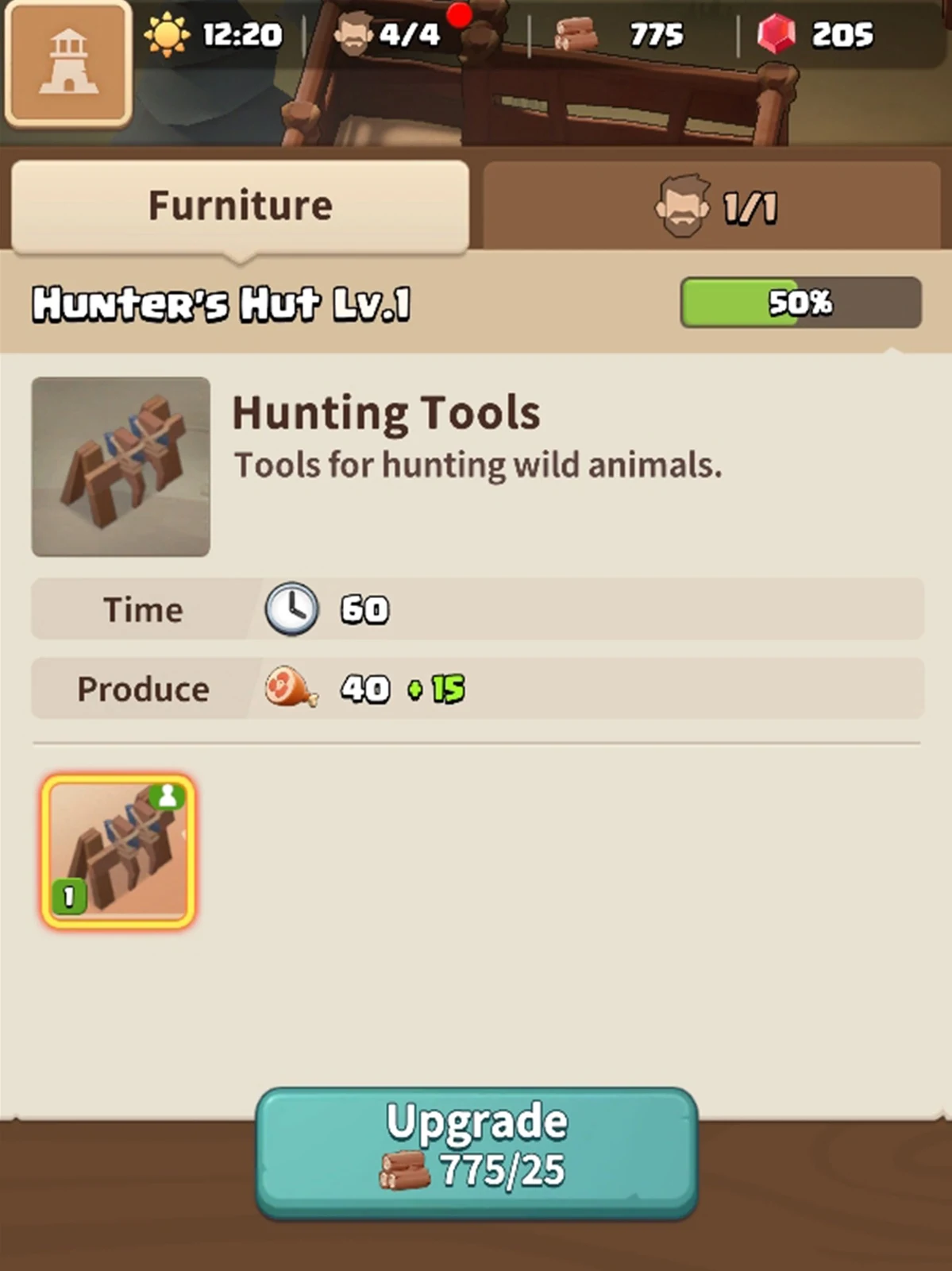
The official App Store description explicitly tells leaders to assign survivors to specialized work and to watch their health and happiness because those conditions affect productivity. That means workers are not merely decoration. A production plan should consider both who is assigned and whether the shelter can keep that person effective.
Begin by matching workers to the jobs or tools the live interface recommends. When output is weak, check the worker, the production building, its furniture or tools, and the survivor’s condition before spending premium currency. Upgrade the part that limits the resource you actually need.
Simple production rule: do not upgrade every tool equally. Name the resource holding back your next shelter or research milestone, improve the relevant production chain, and measure whether the bottleneck changes.
How should you explore and build a beginner combat team?
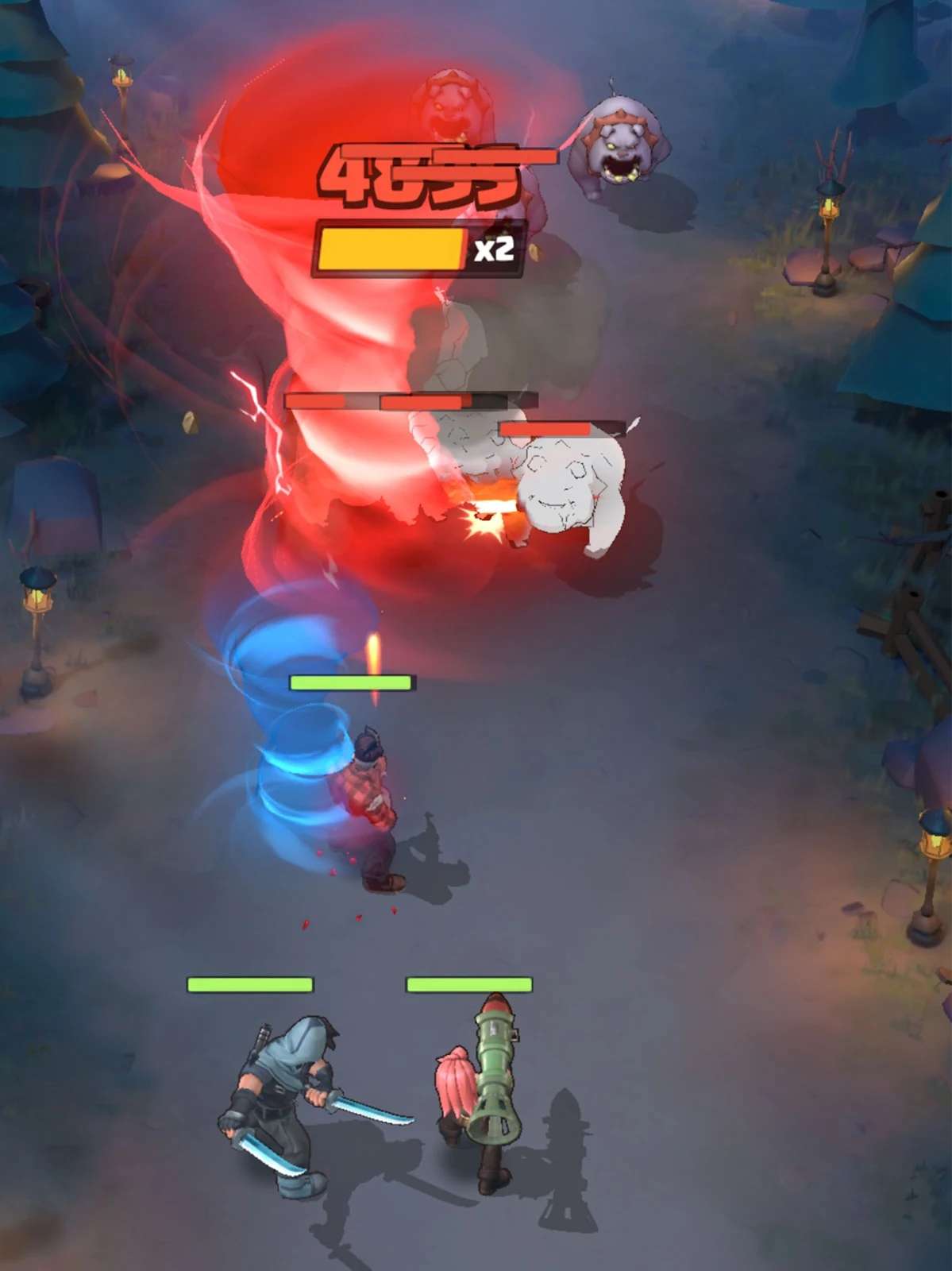
Official material describes exploration as a way to find resources, rare items, hidden treasures, and new territory, while also warning that danger increases. Treat exploration as a planned trip from the shelter rather than a separate mini-game. Before pushing farther, make sure your main group is equipped for the current objective and that another shelter priority will not consume the same materials.
For a beginner team, role coverage is more dependable than chasing a temporary ranking. Use the information shown in the current hero and skill screens. Aim for a frontline that can absorb pressure, reliable damage, and enough support or control to keep the group functioning. Exact roles depend on the survivors you own and the live balance.
- Concentrate early investment. A smaller usable group usually advances farther than many underdeveloped survivors.
- Read skill descriptions together. Check who protects, damages, controls, heals, or buffs instead of comparing rarity alone.
- Upgrade toward the next obstacle. If the team survives but times out, damage may be the issue; if it collapses immediately, durability or support may be missing.
- Keep one fallback plan. Save enough resources to adjust when a new enemy, mode, or survivor changes the team’s needs.
- Do not copy an old formation blindly. Server age, owned survivors, and patches can make a published lineup irrelevant to your account.
What should you research, train and equip first?
The official listing groups recruitment and research together: assemble survivors with different abilities, train them, equip them, and improve technology. The beginner mistake is treating all four systems as separate spending contests. They should support the same current objective.
If shelter progress is slow, production or development research may provide more value than another small combat increase. If exploration blocks the next unlock, team training and equipment may take priority. Before starting a long research task, ask whether it helps construction, resource flow, troop or survivor readiness, or the specific content you plan to play next.
Equipment should follow the same rule. Improve pieces that affect the main team and solve a visible weakness. Do not consume scarce materials merely because an item can be enhanced. A saved material is still useful when the account unlocks a survivor or system with clearer long-term value.
Why should beginners join an alliance?
“Ally & Conquer” is one of the official feature pillars. Alliances let players cooperate on challenges, battles, and larger strategic goals. Joining early can make the game easier to understand because alliance activity shows which objectives matter on the current server.
Choose an alliance by fit, not only by rank. Check its language, time zone, activity requirements, event expectations, and communication style. A highly competitive group can be useful only if you can meet its schedule without turning the game into an obligation.
- Contribute to normal alliance activity consistently instead of promising more than you can deliver.
- Read alliance messages before moving, attacking, or spending on a shared objective.
- Ask which events are important for your server rather than assuming every event has equal value.
- Keep account security separate from teamwork; an alliance never needs your password or payment code.
How should beginners manage resources and top-ups?
Separate resources into three mental groups: materials needed for the next shelter milestone, materials reserved for the main combat team, and flexible resources you can save. This makes it easier to see whether an upgrade is helping a current goal or only satisfying a notification.
For paid purchases, write down the exact outcome first. “Grow faster” is not specific enough. A useful plan identifies the live pack or currency, the account or UID that will receive it, what it unlocks, and whether the same goal can wait for normal production. The official Dark War payment center warns that account-bound Dawn Badges cannot be moved to another UID; any third-party order should receive the same level of identity checking.
Top-up safety: verify the current server, UID, product, and checkout total before paying. Do not guess an identifier, and contact support quickly if the order page shows information that does not match the intended character.
Considering a Dark War: Survival top-up? Review the current product options and required server/UID fields before placing an order.
Check Dark War: Survival top-up detailsYour first-week Dark War Survival plan
| Stage | Main focus | Practical checkpoint |
|---|---|---|
| First session | Follow objectives, learn the shelter, and identify the core prerequisite chain. | You can name the next building or system the account is trying to unlock. |
| Production setup | Assign workers, collect output, and check health and happiness. | Each important resource has an active production plan. |
| Main team | Develop a compact group with complementary roles. | The team can clear current exploration without every survivor consuming materials. |
| Research | Choose development or combat research that serves the next milestone. | You can explain what the current research changes. |
| Exploration | Push territory while collecting resources and reviewing difficulty. | You know whether a loss came from damage, durability, support, or underdevelopment. |
| Alliance | Join a group whose schedule and expectations fit your account. | You participate consistently and understand its important server activities. |
| Resource review | Reserve materials for the shelter, main team, and one flexible future need. | A notification alone no longer decides where resources go. |
Dark War Survival beginner FAQ
Is Dark War: Survival a city-building game?
It combines shelter building with survivor jobs, resource gathering, exploration, combat development, research, and alliance strategy. The official store description treats all of these as connected features.
What should I upgrade first in Dark War Survival?
Follow the live prerequisite chain toward the next useful shelter unlock, while keeping the production buildings and main team needed for that goal functional. There is no permanent official building order for every server and patch.
Do survivor health and happiness matter?
Yes. The official App Store description tells players to monitor both because they affect productivity. Check worker condition when shelter output is weaker than expected.
What is the best beginner team?
There is no permanent official best lineup. Start with a compact team that covers frontline durability, reliable damage, and support or control using the survivors and live skill descriptions available to your account.
Should I join an alliance immediately?
Join once the feature opens and you can evaluate the group’s language, schedule, activity rules, and event expectations. An active alliance that fits your routine is more useful than a stronger group you cannot support.
What should I check before a Dark War Survival top-up?
Confirm the intended server, UID, selected product, and final price. Account-bound items should never be assumed transferable to another UID.
A strong Dark War: Survival start is a balanced loop: build the shelter toward a named milestone, keep workers productive, develop one useful team, explore for resources, research toward the next obstacle, and cooperate with an alliance that fits your schedule. When the account slows down, diagnose the bottleneck before spending.
For future updates and additional coverage, visit the Dark War: Survival blog hub.
Official sources
- Dark War: Survival official website
- Apple App Store: Dark War:Survival official listing
- Google Play: Dark War Survival official listing
- Dark War: Survival official payment center and UID notes
Features, requirements, hero balance, server rules, events, prices, and purchase flows can change. This guide was checked against the official sources above on November 20, 2026.