
Is Honkai Star Rail Worth Playing in 2026?

Quick answer: Honkai: Star Rail is worth trying in 2026 if you like turn-based combat, character collecting, story chapters, and low-pressure daily play. Skip it if you dislike gacha planning or want a game with no long-term resource management.
Current-use note
This is a recommendation and expectation-setting page. Current banners, rewards, events, and meta priorities change, so use the live game and current ManaBuy HSR pages for exact planning.
Who Should Try Honkai: Star Rail?

Honkai: Star Rail is worth trying if you like turn-based battles, character collecting, polished story chapters, and a game that can be played in short daily sessions. It is not the same kind of commitment as a full manual-action RPG. The combat is about team roles, turn order, weakness breaks, ultimates, and resource planning.
The game is also friendly to players who like long-term account building. You can log in, clear dailies, spend stamina, and slowly improve teams. If you prefer games where every reward is immediate and there is no banner planning, HSR may feel restrictive. If you enjoy planning, it can be satisfying.
Quick Verdict Table
Why It Still Works In 2026
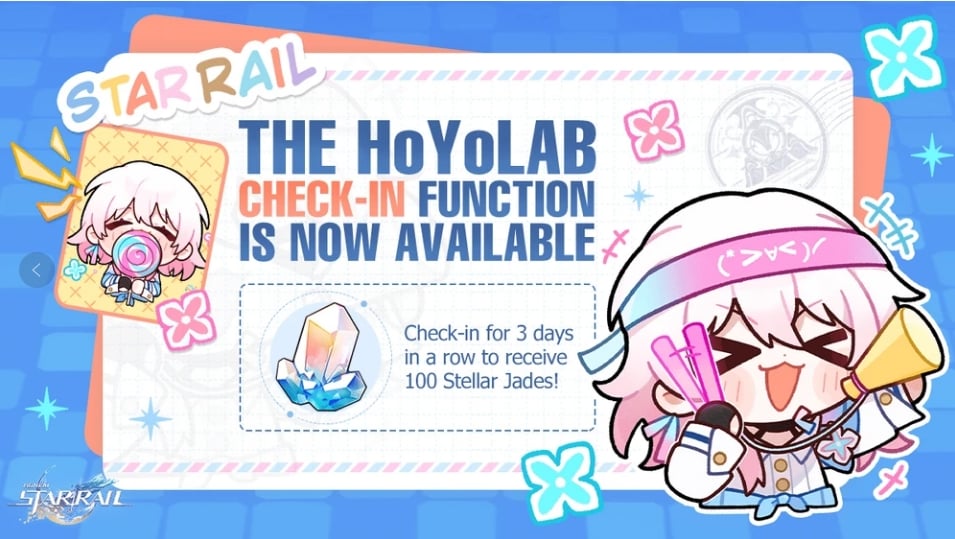
The main reason HSR still works is that the core loop is clear. You build characters, form teams, clear story and combat modes, collect resources, and decide which banners are worth your pulls. The game rewards planning more than panic spending. A patient player can make steady progress even without chasing every limited character.
HSR also has a strong advantage for mobile and PC players who want a polished RPG without constant mechanical pressure. Turn-based combat lets you think through decisions. Auto-battle can help with routine farming, while harder modes still reward manual planning.
Time Commitment And Daily Feel
HSR works well if you want a game that can fit around a normal schedule. Daily tasks can be short once systems are unlocked. Story chapters, events, and challenge modes take longer, but they do not all need to be cleared at once. That makes the game easier to maintain than a title that demands long real-time sessions every day.
The tradeoff is that progress is still gated by time and resources. Trailblaze Power, weekly limits, banners, and event periods all shape your account. If you like logging in for steady progress, that structure feels comfortable. If you want unlimited farming in one sitting, it may feel restrictive.
F2P Value And Spending Caution
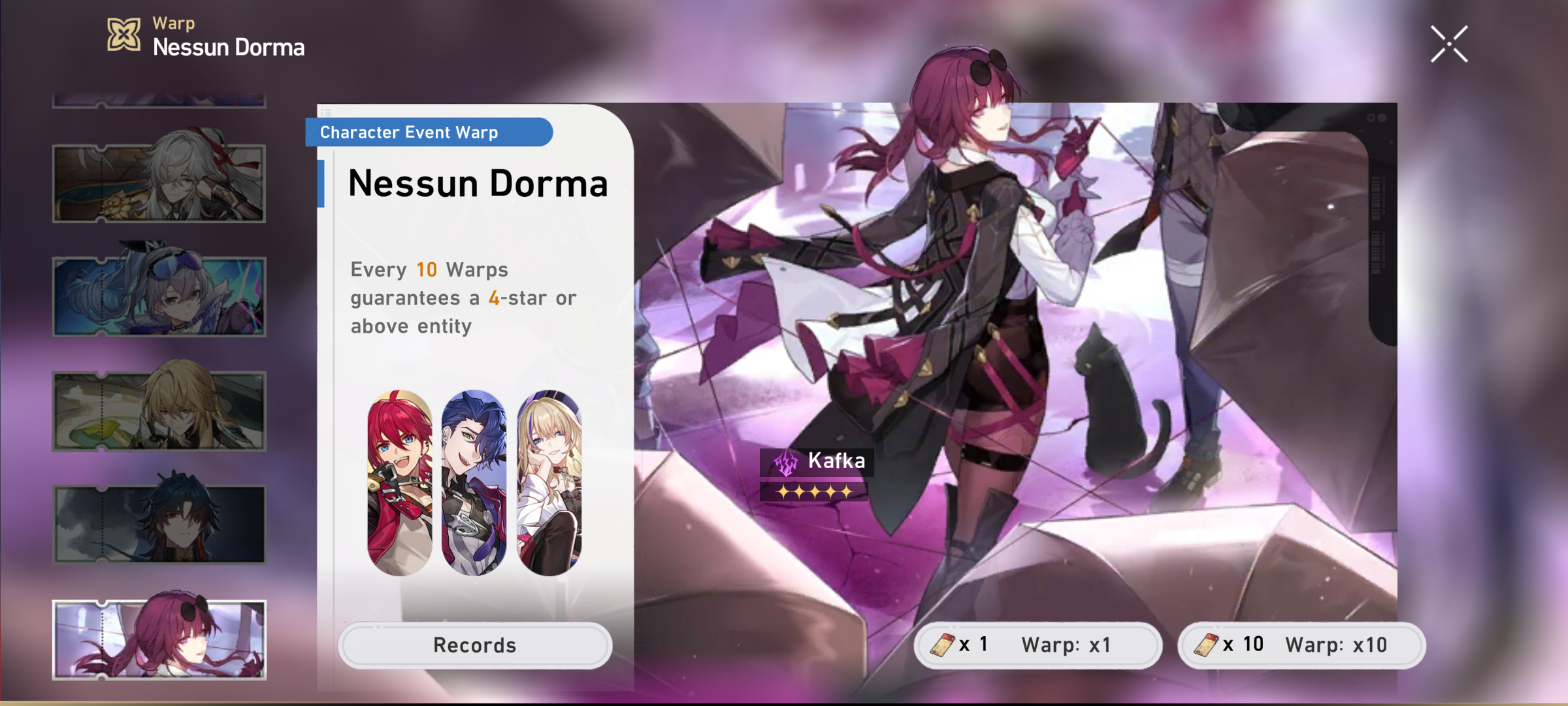
Honkai: Star Rail can be enjoyable as a free-to-play game, but F2P players need discipline. Save for characters that solve account problems. Avoid pulling every banner. Build teams around what you own. Use the F2P team building guide and current banner guide before spending Stellar Jade.
If you decide to spend, keep it planned. Know your pity. Know whether you are guaranteed. Know whether a character, Light Cone, or Eidolon is the best value for your account. If the answer is unclear, wait. The Light Cone and Eidolon value guide is a better starting point than impulse buying.
What New Players Should Expect
New players should expect a lot of systems at first: Trailblaze Level, characters, Light Cones, relics, traces, daily training, assignments, events, and several combat modes. You do not need to solve all of them immediately. Follow a beginner route, build one complete team, and learn banners before chasing advanced optimization.
If you are starting now, read the beginner guide next. It gives a starter plan for daily routine, team roles, pull planning, and early farming.
Combat And Team Planning
The combat is strongest when you think in roles. Damage dealers need support, supports need the right team, and sustain characters keep mistakes from ending the run. Weakness break, debuffs, speed, and ultimate timing can matter more than raw rarity. This is why HSR can stay interesting even when you are not pulling a new character every patch.
If you enjoy comparing teams, testing rotations, and improving an account over time, HSR has a lot to offer. If you only want a game where every character works without planning, the roster system may feel demanding.
Best Fit And Wait-And-See Players
HSR is a strong fit for players who like steady account growth, clear team roles, and character stories that continue across patches. It is also a good fit if you want a game you can maintain with short daily sessions while saving longer play time for story, events, and difficult combat stages.
Wait before committing money if you are mainly curious because of one limited character, a social media trend, or a single trailer. Play enough to understand the daily loop, banner pity, upgrade materials, and team building. If those systems feel satisfying after the early chapters, the game is much easier to recommend as a long-term pick.
Who May Want To Skip It?
Skip HSR if you dislike gacha systems, limited-time banners, or long-term resource planning. You may also bounce off the game if you want fully real-time action combat. The game is generous enough to try, but it is still built around patience, saving, and deciding which goals matter.
That is not a flaw for everyone. For some players, the planning is the fun. For others, it becomes friction. Try the game first, play through early story and daily systems, then decide whether it fits your habits.
Final Recommendation
Try Honkai: Star Rail if you want a polished turn-based RPG that rewards patience and account planning. Start free, learn the systems, and use current banner information before spending. The game is strongest when you let story, team building, and resource planning work together instead of treating every new banner as mandatory.
The safest recommendation is this: play for the first few chapters, build one team, and see whether the daily loop feels good. If it does, HSR can be a strong long-term game. If it does not, you can step away without having invested money.
Worth Playing FAQ
Is Honkai: Star Rail good for casual players?
Yes, if you are comfortable with short daily routines and slower account growth. You can play casually, but you should still plan pulls carefully.
Is HSR pay-to-win?
Spending can speed up pulls and account options, but many players clear large parts of the game with careful F2P planning. The key is saving for useful characters and not chasing every upgrade.
Should I top up before I know the game?
No. Try the game first. Top up only after you understand banners, pity, guarantee, and your own budget.
Who Gets The Most Value From Starting HSR
Honkai: Star Rail is easiest to recommend to players who enjoy turn-based planning, character collecting, story chapters, and steady account growth. It is less ideal for players who only want real-time combat, instant PvP pressure, or a game where every new character can be obtained without saving.
Related HSR Build and Planning Guides
Use these guides to compare banner timing, character value, resource planning, and top-up needs before committing pulls or paid currency.





Copyright © FUTURE OUTLOOK TECHNOLOGY LIMITED.Company Registration No.: 77374965 All rights reserved.UNIT 135,1/F.,143 WAI YIP STREET,KWUN TONG HK